Choosing tang fish tank mates is easy in one direction and hard in the other. With other families — clownfish, gobies, wrasses, blennies, cardinalfish, dwarf angels — a tang is peaceful and mostly indifferent. With other tangs it is the most territorial fish in the reef hobby, and two tangs of the same shape in a tank under 180 gallons will fight until one stops eating. This page lists what works, what does not, how to keep more than one tang, and whether tangs are safe with corals and shrimp. Species-specific pairings are on the blue tang and yellow tang compatibility hubs.
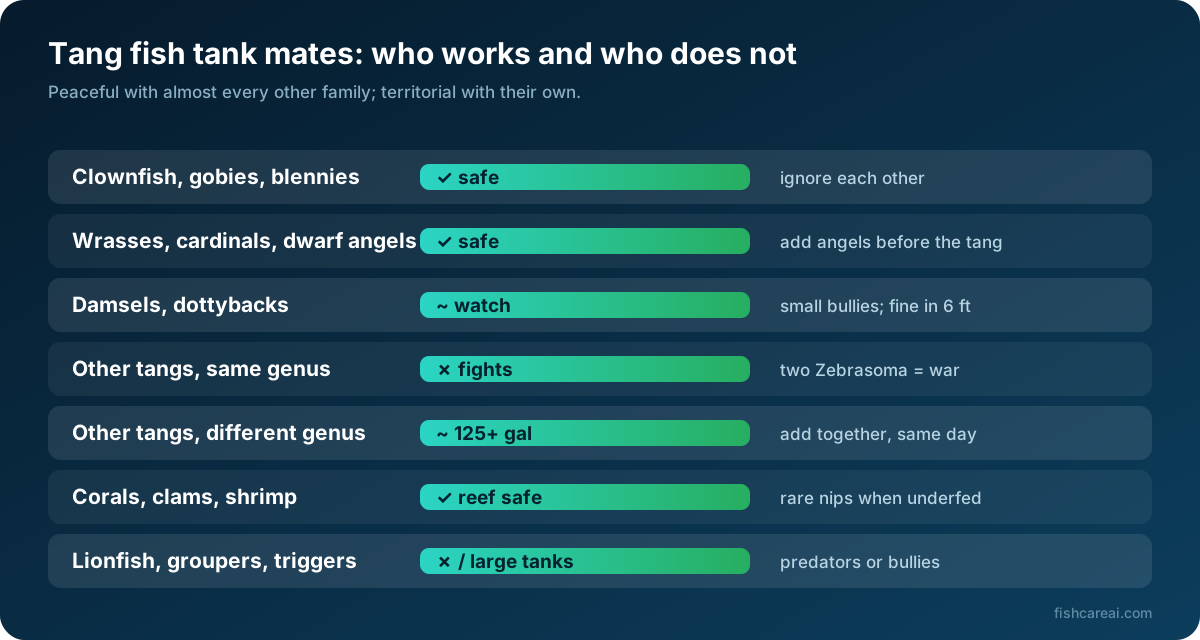
Safe Tang Fish Tank Mates
| Tank mate | Verdict | Why it works |
|---|---|---|
| Clownfish (all species) | Excellent | Different shape, different space, different food |
| Gobies and blennies | Excellent | Bottom-dwellers a tang ignores; blennies may share the nori |
| Wrasses (fairy, flasher, six-line, cleaner) | Excellent | Fast swimmers tangs do not chase; cleaner wrasses pick parasites |
| Cardinalfish, chromis, anthias | Excellent | Midwater shoalers; add before the tang |
| Dwarf angels (flame, coral beauty) | Good | Similar grazing niche; add the angel first, in 125+ gal |
| Foxface / rabbitfish | Good | Another herbivore, different shape; works in 125+ gal |
| Hawkfish, dottybacks, damsels | Usually fine | Small bullies; a tang is too big to bother |
| Large angels, butterflyfish | Fine in big tanks | 180+ gal, fish-only or mixed reef |
The pattern: tangs ignore fish that do not look like tangs; territorial behaviour in the family is directed at other surgeonfish sharing a grazing patch, as the Acanthuridae account describes. Almost any peaceful or semi-aggressive reef fish qualifies, which is why a tang is the centrepiece of most community reefs. Run any pairing through the fish compatibility checker for the details.
Tang Fish Tank Mates to Avoid
- Another tang of the same species or genus in under 180 gallons. Two yellow tangs, or a yellow and a purple (both Zebrasoma), is the classic mistake.
- Lionfish, groupers and large eels with small tangs — a 4-inch tang is food.
- Triggerfish and large puffers in tanks under 180 gallons; they bully and nip tangs.
- Aggressive dottybacks or maroon clownfish with a newly added, timid tang in a small tank.
- Any fish with ich. The most dangerous tang fish tank mate is an un-quarantined one; the tang shows the spots first. See tang fish diseases.
Keeping Two or More Tangs Together
Tangs fight tangs because they compete for the same grazing territory and read a similar body outline as a rival. The rules that let keepers run three or four tangs in one tank:
- Different genera, different shapes. A tall Zebrasoma (yellow), a round bristletooth (kole) and an oval Acanthurus (blue tang) coexist far better than two of any one group.
- Space. Two tangs need 125 gallons and 6 feet; three need 180; a shoal of the same species (yellow or convict tangs, which shoal on the reef) needs 300 gallons and 8 feet, added together as juveniles.
- Add them on the same day, after quarantine, with the lights off, so no fish owns the tank first. If that is impossible, add the boldest species last.
- Order of boldness (mildest first): kole and tomini, convict, yellow, blue, scopas, sailfin, naso, powder blue, purple, achilles, clown, sohal. A sohal or purple tang goes in last or not at all.
- Feed at two ends of the tank so the dominant tang cannot guard the clip.
Chasing and scalpel displays in the first two days are normal; a tang that is still being chased on day five, or is hiding and not eating, needs to be separated with an acclimation box or a divider before it gets ich from the stress. The signals are decoded on the tang fish behavior page.
Order of Introduction
Add the community in this order: peaceful shoalers and bottom fish first (cardinals, chromis, gobies, clownfish), then dwarf angels and wrasses, then the tang, then any second tang on the same day as the first. A tang added to an established, calm tank settles within a week; a tang added first then treats every newcomer as an intruder, especially in tanks under 6 feet — see tang fish tank size.
Are Tangs Reef Safe?
Yes. Tangs are herbivores that graze algae from rock and glass and leave stony corals, soft corals, clams and shrimp alone, which is why they are stocked in almost every reef tank. Two exceptions worth knowing: an underfed tang may nip at fleshy LPS corals, zoanthids or the mantle of a clam, and naso tangs sometimes pick at soft corals. Daily nori removes the motive. Cleaner shrimp and peppermint shrimp are safe with every tang; a tang will even visit a cleaner shrimp station. Details on feeding are on the tang fish food page.
Tangs and Clownfish
The question behind most tang fish tank mates searches is “can Dory live with Nemo”, and the answer is yes, in a 125-gallon tank. A clownfish pair and a blue tang occupy different water — the clowns stay near their anemone or a corner, the tang cruises the open lanes — and neither looks like a rival to the other. Add the clownfish first. The full pairing, with 90 other partners, is on the blue tang tank mates hub, and clownfish husbandry is in the clownfish care guide. Everything else about keeping the tang itself is in the tang fish care guide.
Tang Fish Care FAQ
What fish can live with tang fish?
Almost any peaceful or semi-aggressive reef fish of a different shape: clownfish, gobies, blennies, wrasses, cardinalfish, chromis, dwarf angels, foxfaces, anthias and hawkfish. Tangs ignore fish that do not look like tangs.
Can you keep two tangs together?
Yes, in 125 gallons or more, if they are from different genera with different body shapes — a yellow Zebrasoma with a kole bristletooth, or either with a blue tang — and added on the same day. Two of the same species or genus will fight in anything under 180 gallons.
Are tangs reef safe?
Yes. Tangs graze algae and leave corals, clams and shrimp alone. An underfed tang may nip at fleshy LPS or zoanthids, and naso tangs occasionally pick at clam mantles; daily nori stops it.
Do tangs get along with clownfish?
Very well. A clownfish pair and a tang are the classic reef combination; they occupy different space, eat different food and ignore each other. Add the clownfish first so they settle before the more active tang arrives.
Which tang is the most aggressive?
The sohal tang, then the clown tang, purple tang and powder blue tang. All four should be the last fish added and need 180 gallons or more with no similar-shaped tank mates. Kole, tomini, convict and yellow tangs are the mildest.
Can a tang live with a lionfish or trigger?
In a large fish-only tank, yes — a naso or sohal tang holds its own. Small tangs are bullied by triggers and eaten by large lionfish and groupers. Predators belong in a different system from a 4-inch yellow tang.