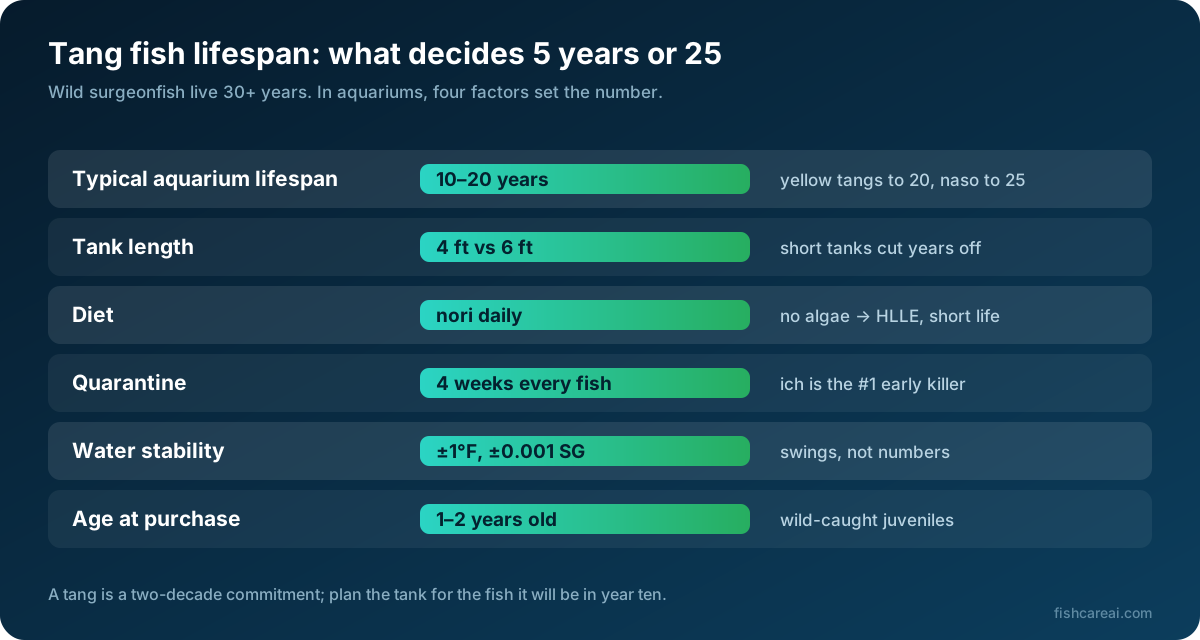
The typical tang fish lifespan in a home aquarium is 10 to 20 years, and wild surgeonfish are documented past 30. That makes a tang one of the longest-lived fish in the hobby — longer than a clownfish, far longer than most freshwater fish — and also one of the most often lost in its first year. How long tang fish live is really two numbers: a high death rate in the first twelve months, driven by shipping, ich and small tanks, and then decades for the fish that get through it.
Typical Tang Fish Lifespan by Species
| Tang | Aquarium lifespan | Wild lifespan | Note |
|---|---|---|---|
| Yellow tang | 15–20 years | 30+ years | Many documented 20-year aquarium fish |
| Kole / tomini tang | 10–15 years | 20+ years | Hardy; few early deaths |
| Purple / scopas tang | 12–20 years | 25+ years | Long-lived once settled |
| Blue (hippo) tang | 8–20 years | 30+ years | Wide spread: first-year ich losses |
| Powder blue / achilles | 5–15 years | 25+ years | High first-year losses; long-lived after |
| Sailfin tang | 15–25 years | 30+ years | Outgrows tanks before it ages |
| Naso tang | 15–25 years | 30+ years | Public-aquarium fish past 30 |
Surgeonfish are among the longest-lived reef fish; otolith studies cited on the Acanthuridae page put some wild species past 40 years. In an aquarium the ceiling is lower only because of husbandry, not biology.
Wild vs Captive Tang Fish Lifespan
A wild tang has kilometres of reef, constant algae, perfect water and predators. A captive tang has none of the predators and, too often, none of the other three either. When the aquarium provides length, food and stable water, tangs live nearly as long as they do on the reef; public aquariums with 6-foot-plus systems routinely keep surgeonfish for 25–30 years. The gap between the wild figure and the home-aquarium figure is almost entirely the fish lost in year one and the fish kept in tanks too short for them.
Why the First Year Decides the Tang Fish Lifespan
- Shipping and collection. Almost all tangs are wild-caught, held, bagged and flown. A tang that arrives thin and not eating is already behind.
- No quarantine. Marine ich and velvet kill more tangs in their first three months than everything else combined. Four weeks in a bare tank, with copper or tank-transfer, is what separates a 12-month tang from a 20-year one. See tang fish diseases.
- The wrong tank. A juvenile bought for a 40-gallon “for now” stunts, develops HLLE and dies young. See tang fish tank size.
- Feeding once a day. A grazer with no seaweed for 23 hours a day loses condition slowly and gets sick fast. See tang fish food.
- Another tang. Two same-shaped tangs in a 75 means one of them stops eating.
How to Extend a Tang Fish Lifespan
- Buy the tank first. 4 feet minimum, 6 feet for anything but the smallest species.
- Quarantine every fish, not just the tang — ich arrives on the goby too.
- Feed like a grazer: nori daily, pellets, mysis for protein, vitamins twice a week.
- Hold the water still: auto top-off, heater controller, small weekly changes. Targets are on the tang fish water parameters page.
- Keep oxygen high: skimmer, 20× flow, surface ripple. Tangs age badly in stale water.
- One tang per genus, added together.
- Watch the belly. A pinched belly behind the head is the earliest sign of a tang in decline, months before HLLE or ich.
How Old Is My Tang?
You cannot age a tang by looking at it; size is the only rough guide. A 2–3 inch tang is under a year old, a 5–6 inch yellow tang is about two, and a tang at full adult size is three or more. Wild-caught tangs are usually 6–18 months old when they reach the shop, so a fish you have kept for 15 years may be closer to 17. Captive-bred yellow and blue tangs come with a known hatch date and, more usefully, arrive already eating and free of wild parasites — they survive the first year far better, which is where the tang fish lifespan is won or lost. Adult sizes by species are on the tang fish size page; the rest of the husbandry is in the tang fish care guide.
Tang Fish Care FAQ
How long do tang fish live?
Ten to twenty years in a well-run aquarium. Yellow tangs regularly reach 20, naso tangs 25, and public aquariums have kept surgeonfish past 30. The wild record for a related species is over 40 years.
How long do blue tangs live?
Eight to twenty years in captivity; 30 or more in the wild. The spread is wide because so many blue tangs die of ich in their first year. One that survives two years in a 6-foot tank usually lives a long time.
Why do tangs die so often in the first year?
Shipping stress, no quarantine and marine ich, in that order, plus tanks that are too short. The tang fish lifespan statistic is really two numbers: a high first-year death rate, then decades for the survivors.
How can I tell how old my tang is?
You cannot read age from a tang directly; size gives a rough guide. A 2–3 inch tang is under a year old, a 5–6 inch yellow tang about two years, and full adult size means three or more. Wild-caught tangs are usually 6–18 months old when sold.
Does a bigger tank make tangs live longer?
Yes, more than any other factor. A 6-foot tank removes the chronic stress that leads to HLLE, ich outbreaks and stunting. Keepers with 20-year-old tangs almost always have them in 125 gallons or more.
Do captive-bred tangs live longer?
They tend to survive the first year far better, because they arrive without wild parasites and already eating pellets. After that, the lifespan is the same as a wild fish's — it depends on the tank.