The right tang fish water parameters are ordinary reef parameters: 75–80°F, specific gravity 1.023–1.026, pH 8.1–8.4, alkalinity 8–11 dKH, ammonia and nitrite at zero, nitrate under 20 ppm and dissolved oxygen near saturation. None of those numbers is hard to hit. What makes tangs different from a clownfish or a goby is how badly they react when the numbers move — a 3°F overnight swing or salinity creeping up over a week is what puts a tang under enough stress to break out in ich. This page gives the targets, then spends most of its words on holding them still.
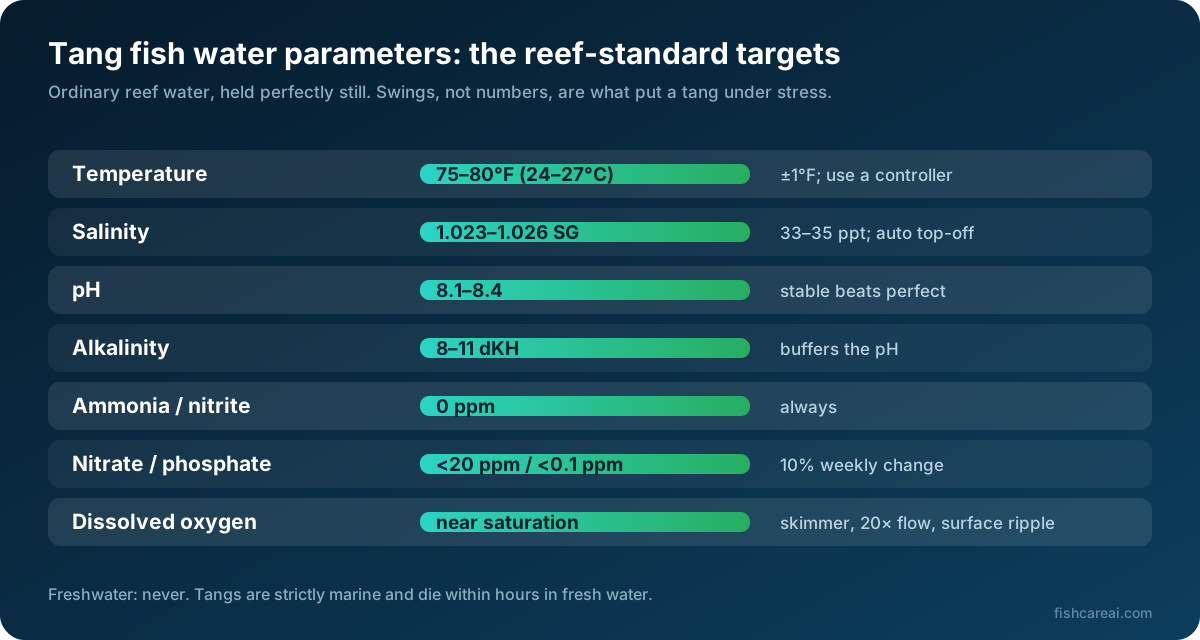
Tang Fish Water Parameters at a Glance
| Parameter | Target | Tolerated briefly | What matters |
|---|---|---|---|
| Temperature | 75–80°F (24–27°C) | 72–82°F | ±1°F over 24 hours |
| Salinity | 1.023–1.026 SG (33–35 ppt) | 1.020–1.027 | No daily creep from evaporation |
| pH | 8.1–8.4 | 7.9–8.5 | No crash after water changes |
| Alkalinity | 8–11 dKH | 7–12 dKH | Holds the pH |
| Ammonia / nitrite | 0 ppm | — | Always zero; tangs are sensitive |
| Nitrate | <20 ppm (reef: <10) | 40 ppm | High nitrate tracks HLLE |
| Phosphate | <0.1 ppm | 0.25 ppm | Nuisance algae, not the fish |
| Dissolved oxygen | Near saturation (7+ mg/L) | — | Tangs gasp before other fish |
The ranges match reef-keeping references and the natural reef values on the coral reef entry; the general targets for any marine tank are in the aquarium water parameters guide.
Tang Fish Temperature
Keep tangs at 75–80°F; 77–78°F is the usual reef setting. Tangs come from shallow reef crests where the water is warm but heavily mixed, so they tolerate the top of the range better than a cold snap. The real risk is the swing: a single 300-watt heater cycling in a 125-gallon tank, or a room that cools 8°F at night, produces exactly the daily stress that triggers marine ich in tangs. Use two smaller heaters on a controller so a stuck heater cannot cook the tank, and keep the room temperature steady in summer — above 82°F oxygen drops and tangs are the first fish to gasp.
Salinity for Tang Fish
Aim for 1.025 specific gravity (35 ppt), and never let it wander outside 1.023–1.026. Tang tanks lose a lot of water to evaporation because of the strong flow and surface agitation they need, and without an auto top-off the salinity climbs a little every day; a 1.028 reading after a week away is a common cause of a tang going off its food. Measure with a calibrated refractometer, not a swing-arm hydrometer, and mix water-change salt to the tank's exact salinity and temperature. Low salinity (hyposalinity, 1.009) is a treatment for ich in a hospital tank, not a place for a tang to live.
pH and Alkalinity in Tang Fish Water Parameters
Target pH 8.1–8.4 with alkalinity at 8–11 dKH. Alkalinity is what holds the pH still, so test it weekly and dose a two-part or kalkwasser as the corals and coralline algae use it up. Tangs do not care whether the pH is 8.1 or 8.3; they care when it drops to 7.8 overnight because the room is full of CO2, or jumps after a large water change with unmatched water. Open a window, run the skimmer air line outdoors, and stop chasing a number with buffer.
Ammonia, Nitrate and Phosphate for Tang Fish
Ammonia and nitrite must read zero; tangs show damage from ammonia at levels other fish shrug off, with black or red marks on yellow tangs a typical sign. Nitrate under 20 ppm in a fish-only tank and under 10 ppm in a reef is the target, but a tang in clean water at 30 ppm nitrate does better than one in a swinging tank at 5. Chronically high nitrate and phosphate go with the neglected water that precedes head and lateral line erosion — see tang fish diseases. Weekly 10% changes, a good skimmer and a refugium with macroalgae keep both low without chemical media.
Oxygen and Flow for Tang Fish
This is the tang fish water parameter that never appears on a test kit. Surgeonfish have a high metabolic rate and live in the most oxygen-rich water on the reef, and a tang is the first fish in a tank to show low oxygen: hanging in the outflow of a powerhead, rapid gill movement, or gasping at the surface at night when the plants and corals stop producing oxygen. Aim for 20× tank volume per hour of total flow, a protein skimmer rated above the tank's volume, and a rippled surface. Gasping with a dusty sheen on the body is velvet, not oxygen; gasping in clean water with no spots is oxygen or a temperature spike.
Can Tang Fish Live in Freshwater?
No. Every tang and surgeonfish is a marine fish with no ability to regulate salt in fresh water; it will die within hours. The question comes up because of the blue tang's film fame and because tangs are briefly dipped in freshwater as a treatment: a 5-minute bath in RO water matched to the tank's pH and temperature knocks flukes and black ich off the skin. That is a procedure, not a habitat. Brackish water is equally fatal.
Keeping Tang Fish Water Parameters Stable
- Auto top-off with RO/DI water, so salinity does not creep.
- Two heaters on a controller, set to 77°F, with an alarm.
- Small, frequent water changes — 10% weekly at matched salinity and temperature — instead of 30% monthly.
- Test alkalinity weekly and dose to hold it; the pH follows.
- Skimmer, flow and a lid: oxygen up, jumpers in.
- Log the readings. A tang that stops eating almost always follows a parameter that moved three days earlier. Use the water parameter checker to flag any reading outside the safe band.
Stable water is only half of the setup; the other half is the length of the tank, covered on the tang fish tank size page, and the rest of the routine is in the tang fish care guide.
Tang Fish Care FAQ
What temperature do tang fish need?
75–80°F (24–27°C), held within a degree. Tangs tolerate 72–82°F briefly, but a tank that swings 3°F between day and night is a tank where the tang gets ich. Use a controller with two heaters rather than one large heater.
What salinity is best for tangs?
1.023–1.026 specific gravity (33–35 ppt), the same as a reef. Keep it steady with an auto top-off; evaporation raises salinity daily in a tang tank with strong flow, and salinity creep is a common hidden stressor.
What pH do tang fish need?
8.1–8.4, with alkalinity at 8–11 dKH to hold it there. A stable 8.1 is better than chasing 8.3 with buffers; pH swings after big water changes or from CO2 build-up in a closed room are what tangs react to.
Can tang fish live in freshwater?
No. Every tang is a marine fish with no ability to regulate salt in fresh water; it dies within hours. A brief 5-minute freshwater dip, pH- and temperature-matched, is a treatment for parasites, not a place to live.
What nitrate level is safe for tangs?
Under 20 ppm, ideally under 10 in a reef. Tangs are hardy about nitrate itself, but high nitrate goes with the poor water that triggers HLLE and ich. Phosphate under 0.1 ppm keeps the algae they graze from becoming a nuisance.
Why is oxygen so important for tangs?
Tangs come from wave-washed reef crests and have a high metabolic rate. Low dissolved oxygen shows as a tang hanging in the powerhead flow or gasping at the surface. A skimmer, 20× turnover and surface ripple keep oxygen near saturation.