The right tang fish tank size is 75 gallons and 4 feet long for the smallest species, 125 gallons and 6 feet for most, and 180 gallons or more for naso and sohal tangs. Those numbers are minimums for one adult, and the length matters more than the volume: tangs are open-water cruisers that swim in straight lines from dawn to dusk, and a tall tank with the same gallons does not give them that run.
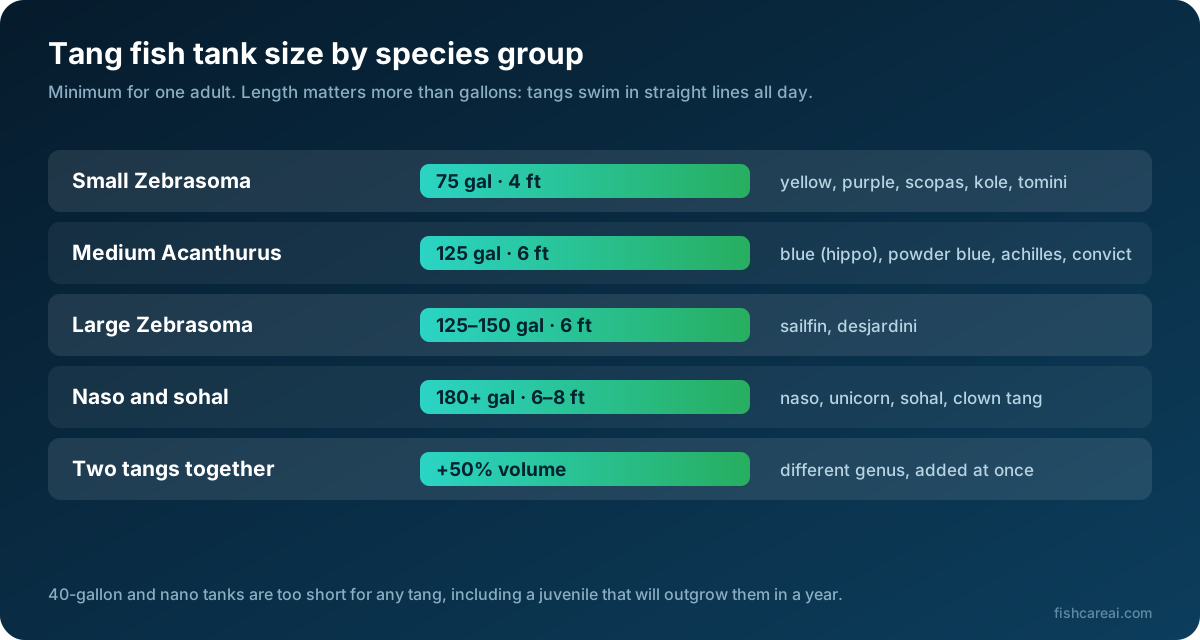
Tang Fish Tank Size by Species
| Tang | Adult size | Minimum tank | Minimum length |
|---|---|---|---|
| Tomini tang | 6 in | 75 gal | 4 ft |
| Kole (yellow-eye) tang | 7 in | 75 gal | 4 ft |
| Yellow tang | 7–8 in | 75 gal | 4 ft |
| Scopas tang | 8 in | 75 gal | 4 ft |
| Purple tang | 9–10 in | 125 gal | 5–6 ft |
| Convict tang | 8 in | 125 gal | 6 ft |
| Powder blue tang | 9 in | 125 gal | 6 ft |
| Achilles tang | 9–10 in | 180 gal | 6 ft |
| Blue (hippo) tang | 10–12 in | 125 gal | 6 ft |
| Sailfin / desjardini tang | 12–15 in | 150 gal | 6 ft |
| Naso (lipstick) tang | 15–18 in | 180 gal | 6–8 ft |
| Sohal tang | 15–16 in | 240 gal | 8 ft |
| Clown tang | 12–14 in | 240 gal | 8 ft |
| Vlamingi / unicorn tang | 20–24 in | 300 gal | 8 ft |
These figures line up with public-aquarium husbandry and the hobby consensus; the Acanthuridae family page gives the adult sizes behind them. Where shops quote smaller tanks, they are quoting the juvenile you are buying, not the adult you will own in eighteen months. Use the tang fish tank size calculator to combine species and see the number for your setup.
Why Tank Length Beats Gallons for a Tang
A blue tang in the wild covers several hundred metres of reef a day. In an aquarium it does the same thing in miniature: a run along the front glass, a turn, a run back, all day. Every turn costs the fish energy and, in a short tank, stress. That is why two tanks with identical gallons are not equal for tang fish tank size purposes:
- A 125-gallon 6-foot tank (72 × 18 × 22 in) is a good blue tang home.
- A 120-gallon 4-foot tank (48 × 24 × 24 in) is not, despite the volume — the run is a third shorter.
- A 150-gallon 5-foot tall tank is worse for the tang than the 125, because the extra volume is height it never uses.
Width matters second. A standard 55 (48 × 13 in) is 4 feet long, which sounds fine, but a 7-inch fish cannot turn in 13 inches without bending, so the 55 fails where the 75 (48 × 18 in) passes. The order of importance for tang fish tank size is length, then front-to-back width, then volume.
Can a Tang Live in a 40, 55, 75 or 90 Gallon Tank?
These are the questions behind most tang fish tank size searches, so here are direct answers:
- Nano tank (under 30 gal): no tang, ever. Not even “for a few months”.
- 40-gallon breeder (36 in): no. A foot too short. A juvenile yellow tang will seem happy for a season, then stunt, lose colour and develop HLLE or ich.
- 55 gallon (48 × 13 in): no. Right length, wrong width. Honest keepers who have tried a kole tang in a 55 report constant glass-pacing.
- 75 gallon (48 × 18 in): yes, one small tang: yellow, kole, tomini or scopas. The classic single-tang reef.
- 90 gallon (48 × 18 × 24 in): same as the 75 — the extra volume is height. One small tang.
- 125 gallon (72 × 18 in): one blue, powder blue, purple or convict tang, or two small tangs from different genera.
- 180 gallon (72 × 24 in): a naso or achilles, or three mixed tangs.
Tank Size for Multiple Tangs
Tangs are territorial with their own kind, and the fights are worse in small tanks because the loser cannot get away. The rule of thumb: add 50% to the largest species' minimum for each additional tang, and mix genera and body shapes. Two small Zebrasoma-and-bristletooth tangs (a yellow and a kole) need a 125; a yellow, a kole and a blue tang need a 180; a shoal of five yellow tangs, which is how they live on the reef, needs 300 gallons and 8 feet, added all at once as juveniles.
Two tangs of the same species in a 125 will fight; two of the same genus (two Zebrasoma, say a yellow and a purple) usually fight; two different shapes usually settle. Add them on the same day, lights off, after quarantine. The fish tank stocking calculator handles the rest of the community once the tangs are placed.
Setting Up the Tang Tank
- Footprint first. Buy the length from the table above before the fish. A 6-foot 125 is the single most versatile tang tank.
- Open lanes. Rock as a central island or back wall; a clear run along the front glass and across at least one end.
- Flow and oxygen. Total turnover 20× or more from powerheads, a skimmer rated above the tank volume, and surface ripple. Tangs are oxygen-hungry.
- A lid or screen. Tangs jump when startled, especially in the first weeks.
- Grazing surfaces. Mature live rock with film algae, and a veggie clip for daily nori — see tang fish food.
- A quarantine tank alongside. 30–40 gallons, bare, with PVC hides. Every tang goes through it for four weeks; see tang fish diseases.
Choosing which tang the tank suits comes next: the types of tang fish page compares all 15 by size, hardiness and temperament, and the tang fish care guide covers the rest of the husbandry.
Tang Fish Care FAQ
What is the minimum tank size for a tang fish?
75 gallons and 4 feet long for the smallest species (yellow, purple, kole, tomini), 125 gallons and 6 feet for blue, powder blue, achilles and convict tangs, and 180 gallons with 6–8 feet for naso, sohal and unicorn tangs.
Can I keep a tang in a 55 gallon tank?
No. A standard 55 is 4 feet long but only 13 inches front to back, which leaves a 6-inch tang unable to turn comfortably. A 75 gallon (4 ft × 18 in) is the honest minimum for a small tang; a 55 should hold no tang at all.
Can a tang live in a 40 gallon breeder?
Not long-term. A 40 breeder is 3 feet long. A juvenile tang will seem fine for a few months, then stunt, stress and often develop HLLE or ich. Buy the tang when you have the 4-foot tank, not before.
How many tangs can I keep in a 125 gallon tank?
Two, from different genera and added at the same time — for example a yellow tang and a blue tang. Three is possible in a 180 gallon; a proper shoal needs 300 gallons or more.
Is tank length more important than gallons for tangs?
Yes. Tangs are open-water swimmers that cruise in straight lines. A 6-foot, 125-gallon tank suits a blue tang better than a 5-foot, 150-gallon tall tank. Measure length first, then volume.
Does a reef tank need to be bigger for a tang?
Add about 20%. Rockwork takes swimming lanes away, so a reef-scaped 125 gives a tang the room of an empty 100. Keep an open lane along the front glass.