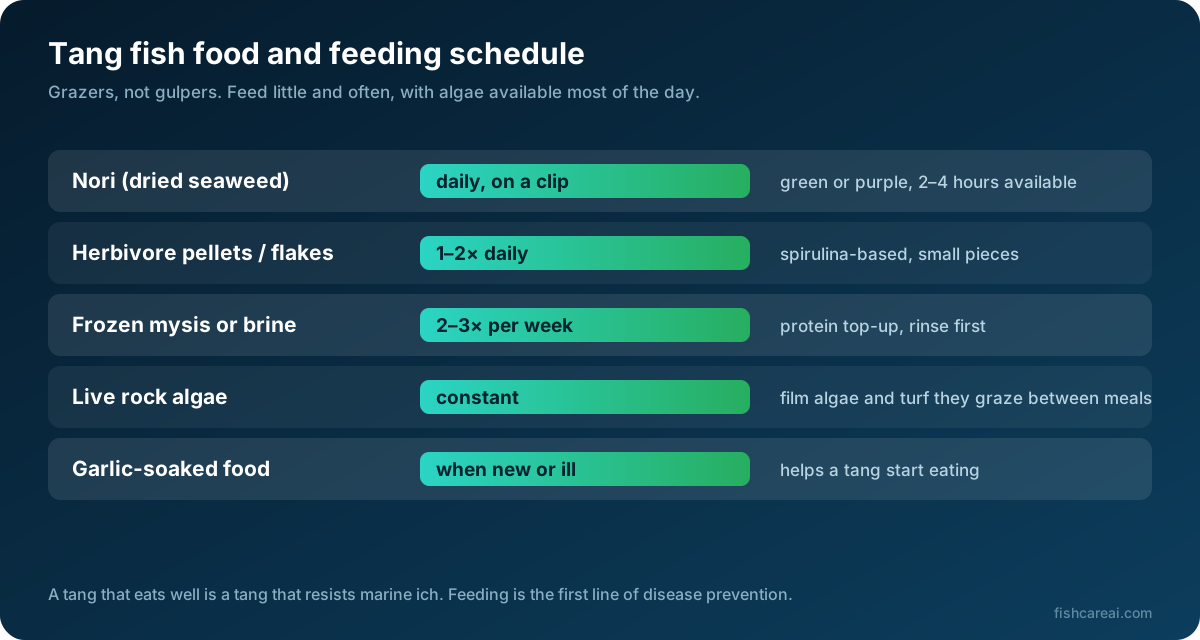
The core tang fish food is seaweed: a half sheet of plain dried nori on a clip every day, backed up by spirulina-based pellets once or twice daily and frozen mysis two or three times a week. Tangs are grazers with small stomachs and long guts, built to nibble algae for eight hours at a stretch, so how often food is available matters as much as what it is. A tang that gets one feeding a day is a thin tang, and a thin tang is the one that breaks out in ich.
What Do Tang Fish Eat on the Reef?
Wild surgeonfish are the lawnmowers of the reef. They crop filamentous turf algae, film algae and macroalgae from rock and dead coral all day, and swallow the tiny crustaceans, worms and detritus living in it. The bristletooth tangs (kole, tomini) scrape diatom film with comb-like teeth; the Zebrasoma and Acanthurus tangs bite off longer strands; naso tangs browse brown macroalgae like Sargassum. Gut studies summarised on the Acanthuridae page put plant matter at 80–95% of the diet, which is why protein-heavy flake alone leads to HLLE in tangs.
Three things follow for the aquarium: tang fish food should be mostly algae, it should be available for hours, and it should be varied. Tangs also eat the algae growing in the tank — hair algae, film, diatoms — which is why they are the standard fix for a green reef, but a grazed-clean tank leaves them with nothing, and they cannot live on what grows on the glass.
Best Tang Fish Food, Ranked
| Food | Role | How often | Notes |
|---|---|---|---|
| Nori (dried seaweed sheets) | Staple, bulk of the diet | Daily, 2–4 hours on a clip | Green (Ulva) or purple (Porphyra); plain, no salt or oil |
| Spirulina / herbivore pellets | Vitamins, colour, convenience | 1–2× daily | Small sinking or slow-sink pellets; soak first |
| Herbivore flake | Alternative to pellets | 1–2× daily | Easier for new fish to take |
| Frozen mysis shrimp | Protein for growth | 2–3× weekly | Rinse thawed cube; feed sparingly |
| Frozen herbivore blend | Variety | 2–3× weekly | Spirulina-enriched brine, algae mixes |
| Live macroalgae (Ulva, Gracilaria) | Enrichment | Weekly or grown in a refugium | The closest thing to reef grazing |
| Garlic-soaked food | Appetite trigger | New or recovering fish | A few drops of garlic extract on nori or mysis |
Supermarket sushi nori is the same Porphyra seaweed sold as aquarium seaweed at three times the price; read the packet and avoid anything seasoned, roasted in oil or salted. Vitamin-soaked food (a marine vitamin supplement on the nori twice a week) is the cheapest insurance against head and lateral line erosion — see tang fish diseases.
How to Feed Nori to a Tang Fish
- Cut or tear a half sheet (a quarter sheet for a single small tang in a 75).
- Fold it over a veggie clip with a suction cup, or rubber-band it to a piece of rubble rock. Rubble on the sand bottom suits shy tangs and blue tangs, which feed low.
- Place it in moderate flow where the sheet waves but does not shred. Tangs like to tear at moving seaweed.
- Leave it for 2–4 hours, then remove the remains before they break up and foul the water.
- New tang refusing it? Wrap the nori around a piece of live rock that already has film algae, or dab it with garlic extract. Most tangs take nori within three days of arrival.
How Often to Feed Tang Fish
The schedule that keeps tangs fat-backed and bright:
- Morning: nori on the clip, left 2–4 hours.
- Midday or with the community feed: spirulina pellets or flake, as much as the tang clears in two minutes.
- Evening (2–3 days a week): a rinsed cube of mysis or herbivore frozen mix.
- Always: mature live rock with film algae to graze between meals.
Feeding more often does not overfeed a tang the way it overfeeds a predator; the fish grazes to fullness and stops. The waste load is the real limit, so pair a heavy tang fish food schedule with a good skimmer and weekly 10% water changes. Check the tang from the front: a rounded back and a full belly behind the pectoral fins means the schedule is working; a pinched, concave belly means it is not. The fish feeding calculator gives portion sizes for the rest of the community.
Tang Fish Not Eating
A new tang that refuses food for two to five days is normal — shipping and a new tank cost it its appetite. Beyond five days, or in an established tang, work through the list:
- Look for white spots and rapid breathing. Ich and velvet suppress appetite first. See tang fish diseases.
- Watch for bullying. Another tang, or a bold dwarf angel, will keep a new tang off the clip. Feed at two ends of the tank.
- Test the water. Ammonia, nitrite, a salinity drift above 1.027 or a temperature swing all stop tangs eating.
- Change the offer. Nori on rubble rock at the bottom, garlic-soaked mysis, live macroalgae, or a piece of rock with hair algae from a sump.
- Check the tank size. A tang in a tank under 4 feet often stops eating from chronic stress alone. See tang fish tank size.
Do Tang Fish Eat Coral or Tank Algae?
Tangs are reef safe. They eat hair algae, film algae, diatoms and some macroalgae in the display, which is why reef keepers add them, and they ignore cyanobacteria, bubble algae and coralline. A hungry or underfed tang may nip at the flesh of LPS corals (Trachyphyllia, brain corals) or zoanthids, and naso tangs occasionally pick at clam mantles; in almost every case daily nori ends it. Which species graze hardest, and which need the most feeding, is on the types of tang fish page, and the wider husbandry is in the tang fish care guide.
Tang Fish Care FAQ
What do tang fish eat?
On the reef, tangs graze algae all day: filamentous turf, film algae and macroalgae, plus the tiny animals living in it. In the aquarium the core tang fish food is dried seaweed (nori) on a clip, spirulina-based pellets or flakes, and frozen mysis for protein.
How often should I feed a tang?
Offer nori daily so it is available for 2–4 hours, feed pellets or flakes once or twice a day, and add frozen mysis or brine shrimp two or three times a week. Tangs have small stomachs and graze constantly, so several small feeds beat one large one.
Can tangs eat nori from the supermarket?
Yes, if it is plain, unseasoned and unsalted — check the label for oil, salt or MSG. Sushi nori is the same seaweed (Porphyra) sold as aquarium seaweed at three times the price.
Why is my tang not eating?
New tangs often refuse food for 2–5 days from shipping stress. Beyond that, check for white spots (ich), rapid breathing, bullying by another tang, and water quality. Garlic-soaked mysis and a fresh sheet of nori tempt most tangs back.
Do tang fish eat algae in the tank?
Yes. Tangs are the best fish for controlling hair algae and film algae on live rock, which is why reef keepers add them. They will not touch cyanobacteria or bubble algae, and a tang cannot live on tank algae alone once the rock is grazed clean.
Do tangs eat coral?
Tangs are considered reef safe. A hungry or bored tang may nip at fleshy LPS corals or zoanthids, and naso tangs sometimes pick at clam mantles. Feeding nori daily stops almost all of it.