Adult tang fish size runs from 6 inches for a tomini tang to 24 inches for a vlamingi, and the shop never sells you the adult: nearly every tang is bought at 2–4 inches, a quarter of the size it will reach. Growth is fast for the first year and then slows, with most species reaching full size in two to four years. Knowing the adult number is the whole point, because it is the adult, not the juvenile, that the tank has to fit.
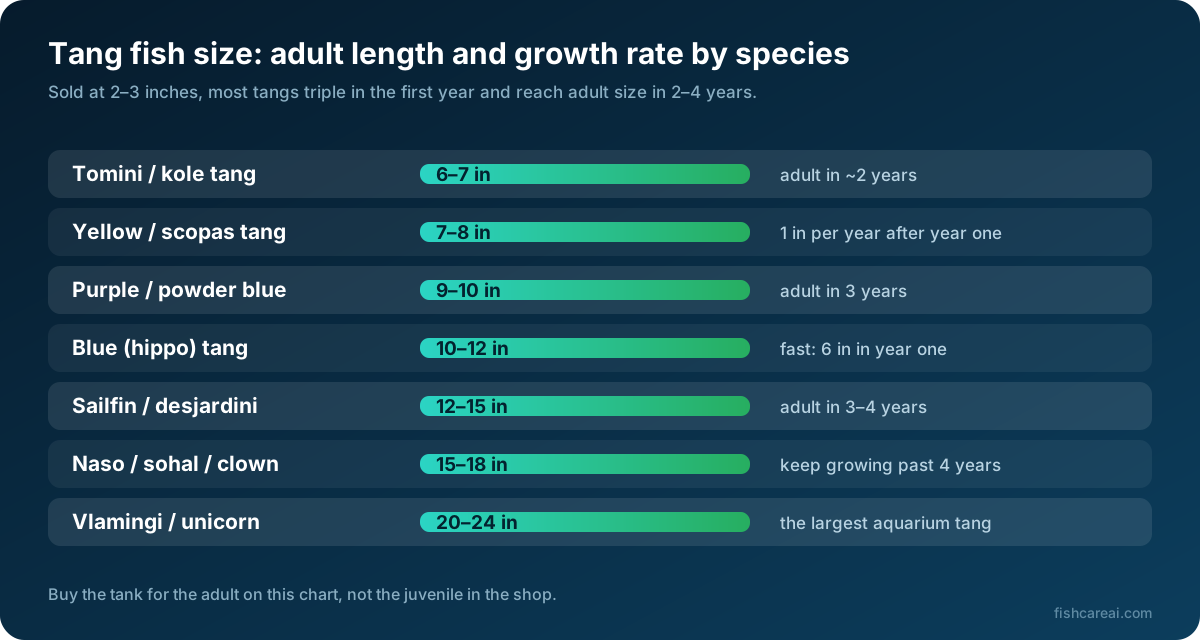
Tang Fish Size by Species
| Tang | Adult size (aquarium) | Wild maximum | Years to adult |
|---|---|---|---|
| Tomini tang | 6 in | 6.5 in | 2 |
| Kole tang | 7 in | 7 in | 2–3 |
| Yellow tang | 7–8 in | 8 in | 3 |
| Scopas tang | 8 in | 8 in | 3 |
| Convict tang | 8 in | 10 in | 3 |
| Powder blue tang | 9 in | 9 in | 3 |
| Purple tang | 9–10 in | 10 in | 3 |
| Achilles tang | 9–10 in | 10 in | 3 |
| Blue (hippo) tang | 10–12 in | 12 in | 3–4 |
| Clown tang | 12–14 in | 15 in | 4 |
| Sailfin / desjardini tang | 12–15 in | 16 in | 3–4 |
| Sohal tang | 15–16 in | 16 in | 4 |
| Naso tang | 15–18 in | 18 in | 4+ |
| Vlamingi tang | 20–24 in | 24 in | 5+ |
Wild maxima follow the species accounts summarised on the Acanthuridae page. Aquarium tangs in good tanks reach 90–100% of the wild figure; the tall dorsal and anal fins of the Zebrasoma tangs make them look a size larger than the body length in the table.
Tang Fish Growth Rate
A tang's growth curve is steep then flat. A 2-inch juvenile yellow tang typically reaches 5 inches in its first year in a 75-gallon tank with daily nori, then adds roughly an inch a year until it stops at 7–8. Blue tangs and naso tangs grow fastest — a 3-inch blue tang can be 7 inches inside twelve months — while bristletooth tangs (kole, tomini) are the slowest and smallest. Three things speed growth: tank length (a tang that swims freely grows), daily algae (see tang fish food) and stable water. Nothing slows it that you would want: a tang that is not growing in year one is underfed, stressed or in too small a tank.
Shop Size vs Adult Size
Shops sell tangs small because small fish ship better and cost less, and because a 2-inch blue tang in a 20-gallon holding tank looks like it could live in one. It cannot. The most common tang fish size mistake is to buy the fish for the tank it fits today. A 3-inch blue tang is a 12-inch fish that has not happened yet; an 8-inch sailfin at the shop is a 15-inch fish. The types of tang fish page lists adult sizes next to every species so you can match the adult to the tank before you buy, and the tang fish tank size calculator turns the adult size into gallons and feet.
Do Tangs Grow to the Size of the Tank?
This is the myth that fills small tanks with tangs. A tang in a tank that is too short does not politely stay small; it stunts. External growth slows while the internal organs continue to develop for the adult size, the fish loses colour, develops head and lateral line erosion, and typically dies inside a few years of what looks like nothing in particular. The tank sets the lifespan, not the tang fish size. Stunted tangs moved to a large tank as adults rarely catch up. Signs to watch for in a growing tang: pale colour, a head that looks too big for the body, and pacing the front glass — all covered under tang fish behavior and tang fish diseases.
What Tang Fish Size Means for the Tank
- 6–8 inch tangs (tomini, kole, yellow, scopas): 75 gallons, 4 feet.
- 8–12 inch tangs (convict, purple, powder blue, blue): 125 gallons, 6 feet.
- 12–16 inch tangs (sailfin, clown, sohal): 150–240 gallons, 6–8 feet.
- 15–24 inch tangs (naso, vlamingi): 180–300 gallons, 8 feet.
Length is the number to plan around, because a tang uses the tank as a runway rather than a volume; the full reasoning is on the tang fish tank size page. How long that adult will then live with you is covered under tang fish lifespan, and the day-to-day routine is in the tang fish care guide.
Tang Fish Care FAQ
How big do tang fish get?
Between 6 and 24 inches depending on species: kole and tomini tangs 6–7 inches, yellow tangs 7–8, purple and powder blue 9–10, blue tangs 10–12, sailfin 12–15, naso and sohal 15–18, and the vlamingi tang up to 24 inches.
How fast do tang fish grow?
Fast at first. A 2-inch juvenile typically reaches 5–6 inches in its first year, then slows to an inch or so a year until adult size at 2–4 years. Blue tangs and naso tangs grow fastest; bristletooth tangs slowest.
What size are tang fish when sold?
Usually 2–4 inches, which is a quarter to a third of the adult size. A shop tang in a 20-gallon holding tank tells you nothing about the tank it needs; the tang fish size chart does.
Do tangs grow to the size of their tank?
No. A tang in a small tank stops growing on the outside while its organs continue to develop — stunting — and typically dies young of HLLE, ich or organ failure. Tank size limits lifespan, not adult size.
How big is a full grown yellow tang?
7–8 inches from nose to tail, occasionally 8.5 in a large tank. The tall dorsal and anal fins make it look bigger. It reaches that size in about three years.
Which is the biggest tang fish?
The vlamingi (bignose unicornfish) at 20–24 inches, followed by the naso and blonde naso at 15–18. All three need 180–300 gallon tanks and are sold as 3-inch juveniles.