Aquarium grouper fish size runs from 8 inches for a blue-line hind to 30 inches for a lyretail grouper, and the shop never sells you the adult: every grouper is bought at 2–4 inches, grows 6–10 inches in its first year, and reaches most of its adult length by year three. The grouper fish lifespan that goes with it is 10–20 years, which makes a grouper one of the longest commitments in the marine hobby and one of the most often rehomed, because the fish outgrew the tank. This page gives the adult size, growth rate and expected lifespan for every aquarium species, and what shortens the number.
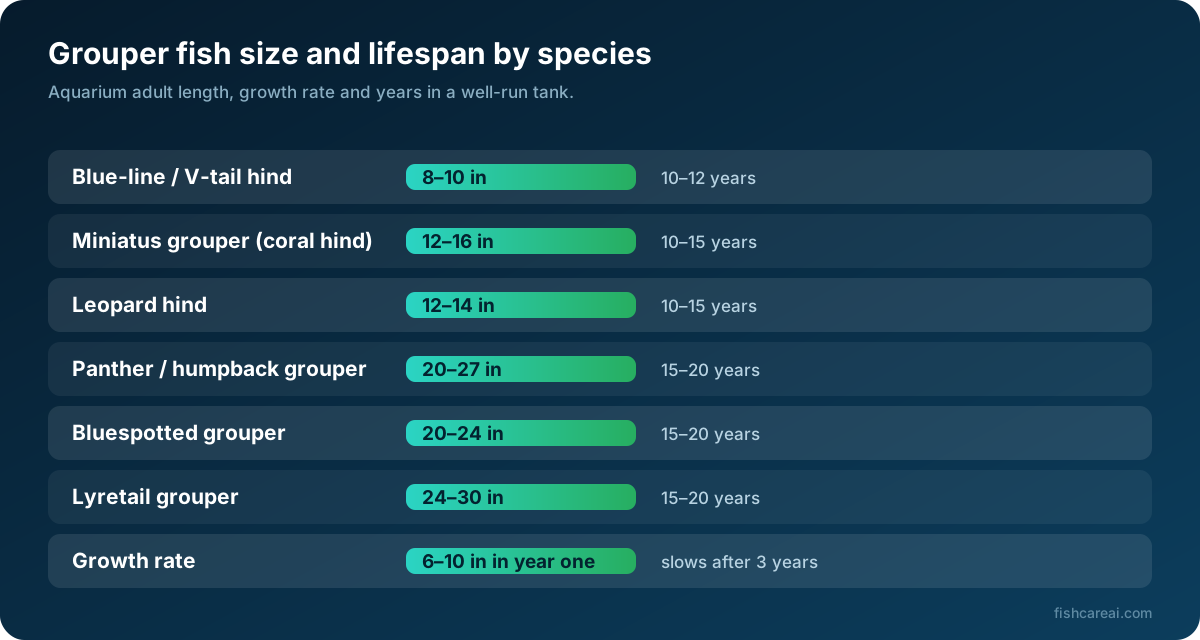
Grouper Fish Size by Species
| Grouper | Aquarium adult | Wild maximum | Lifespan |
|---|---|---|---|
| Blue-line hind | 8–10 in | 13 in | 10–12 years |
| V-tail grouper | 8–10 in | 11 in | 10–12 years |
| Bluespotted hind | 10–12 in | 14 in | 10–12 years |
| Leopard hind | 12–14 in | 14 in | 10–15 years |
| Miniatus / coral hind | 12–16 in | 18 in | 10–15 years |
| Harlequin grouper | 14–16 in | 17 in | 10–15 years |
| Bluespotted grouper (argus) | 20–24 in | 24 in | 15–20 years |
| Panther / humpback grouper | 20–27 in | 28 in | 15–20 years |
| Lyretail grouper | 24–30 in | 33 in | 15–20 years |
| Red grouper | 24–30 in | 49 in | 20+ years |
| Bumblebee grouper | Not for aquariums | 8 ft | 40+ years |
| Goliath grouper | Not for aquariums | 8 ft | 40+ years |
Wild maxima follow the species accounts on the grouper family page. Aquarium fish in a large tank on a good diet reach 80–90% of the wild figure; a stunted grouper in a small tank stops short and dies young.
Grouper Fish Growth Rate
Groupers grow fast because in the wild a small grouper is food for a big one. A 3-inch juvenile typically reaches 9–12 inches in its first year, adds another 4–6 in the second, and is at or near adult size by year three or four. Panther groupers are the extreme: a 3-inch juvenile can be a foot long in ten months and 20 inches at three years. Growth is fastest on daily meaty feeds in a warm (78°F) tank with clean water and slows sharply once the fish is mature — an adult grouper fed two or three times a week grows a fraction of an inch a year. The fast early growth is why grouper fish size, not temperament, is the thing to plan for: the tank you buy for the juvenile is obsolete inside eighteen months. Feeding for healthy growth is on the grouper fish food page.
Shop Size vs Adult Size
Groupers ship and sell best at 2–4 inches, which is a fifth of the adult length for most aquarium species and a thirtieth for a bumblebee grouper. The 3-inch black-and-white panther grouper in a 20-gallon shop tank is one of the prettiest fish in the trade and a 2-foot, 5-pound fish within four years; the 4-inch bumblebee grouper next to it will be 3 feet long before it is five years old and is not a home aquarium fish at any price. Match the species to the adult column of the table above, size the tank with the grouper fish tank size calculator, and compare the twelve aquarium species on the types of grouper fish page before buying.
Grouper Fish Lifespan
Ten to fifteen years for the hinds and medium groupers, fifteen to twenty for the large species, and wild groupers of the same genera are documented past 30, with the goliath grouper past 40. The miniatus grouper in a 125-gallon tank on frozen food routinely reaches 12; a panther grouper in a 240 can reach 20. In the aquarium the ceiling is set almost entirely by three things: the tank being big enough for the adult, the diet not being feeder goldfish, and the fish surviving quarantine when it arrived. A grouper that has lived two years in a tank sized for its adult length very rarely dies of anything but old age.
How to Get the Full Grouper Fish Lifespan
- Buy the adult's tank before the fish, or plan the upgrade with a date.
- Quarantine four weeks on arrival; wild-caught groupers bring flukes and ich (grouper fish diseases).
- Marine frozen food with a vitamin soak, two or three times a week. No feeder goldfish, ever.
- Filtration for a predator: skimmer at twice the tank volume, nitrate under 30 ppm.
- Tank mates it cannot swallow, so it is never injured taking something too big.
- A stable cave and dim light; a grouper with no den is a stressed grouper.
- Watch the belly and the eyes. A permanently swollen belly means fatty liver; cloudy eyes mean the water is going stale. Both are reversible early.
The tank figures that follow from these sizes are on the grouper fish tank size page; the rest of the husbandry is in the grouper fish care guide.
Grouper Fish Care FAQ
How big do grouper fish get in an aquarium?
Dwarf hinds 8–12 inches; miniatus, leopard and harlequin groupers 12–16; panther and bluespotted groupers 20–27; lyretail groupers up to 30. Bumblebee and giant groupers reach 3–8 feet and are not aquarium fish.
How fast do groupers grow?
Fast. A 3-inch juvenile typically reaches 9–12 inches in its first year and adult size in three to four years; panther groupers add nearly a foot in year one. Growth slows after the third year but never quite stops.
What size are groupers when sold?
Usually 2–4 inches, which is a fifth of the adult size for most species. A 3-inch panther grouper in a 20-gallon shop tank is a 2-foot fish that has not happened yet.
How long do grouper fish live?
Ten to twenty years in a well-run aquarium for the medium and large species, and dwarf hinds ten to twelve. Wild groupers are documented past 30 and the goliath grouper past 40.
Do groupers grow to the size of their tank?
No. A grouper in a small tank stunts, develops HLLE and a bent body, and dies young. The tank sets the lifespan, not the size.
Which grouper stays smallest?
The blue-line hind and V-tail grouper at 8–10 inches, then the bluespotted hind and the coral hind (miniatus) at 12–14 inches. Even the smallest needs a 75-gallon tank.