Grouper fish water parameters are ordinary reef parameters — 74–80°F, specific gravity 1.023–1.026, pH 8.1–8.4, alkalinity 8–11 dKH, ammonia and nitrite at zero, nitrate under 30 ppm — and groupers are more tolerant of the numbers than almost any marine fish you can buy. The challenge in a grouper tank is not chemistry but filtration: a fish that swallows whole silversides produces the waste of a dozen small fish, and the skimmer, sump and water-change schedule have to be sized for the predator, not the tank. This page gives the targets, then the filtration plan that holds them.
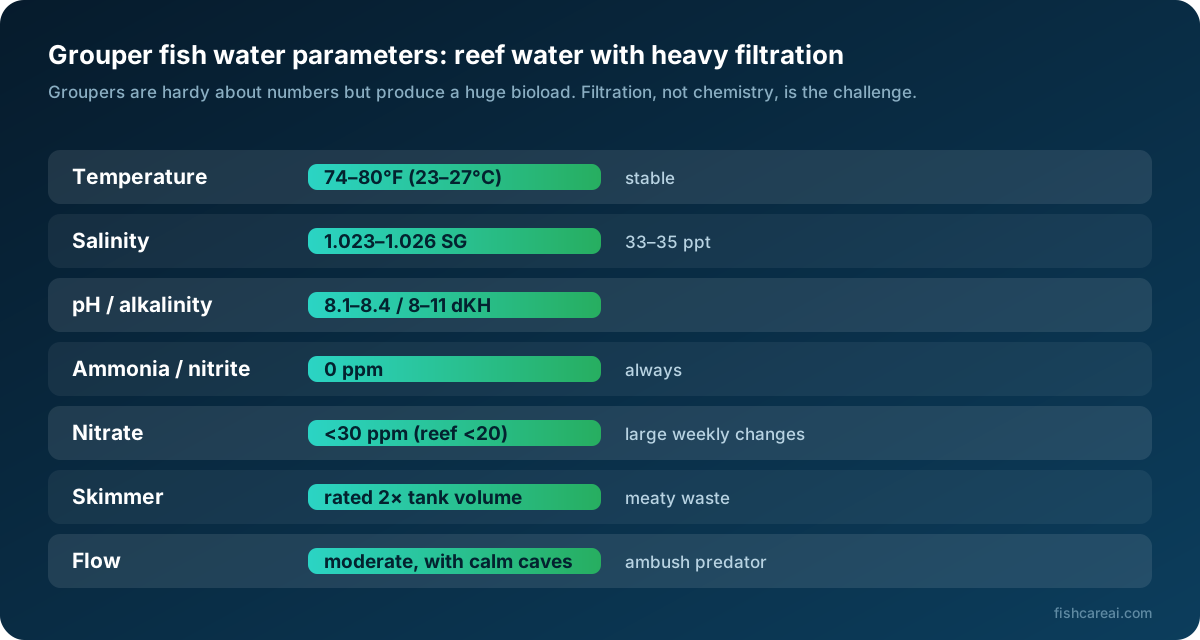
Grouper Fish Water Parameters at a Glance
| Parameter | Target | Tolerated | Notes |
|---|---|---|---|
| Temperature | 74–80°F (23–27°C) | 72–82°F | Stable; chiller in warm rooms |
| Salinity | 1.023–1.026 SG (33–35 ppt) | 1.018–1.027 | Very tolerant; hyposalinity works as a treatment |
| pH | 8.1–8.4 | 7.9–8.5 | Heavy feeding pushes pH down |
| Alkalinity | 8–11 dKH | 7–12 | Holds pH against the bioload |
| Ammonia / nitrite | 0 ppm | — | Spikes after a big feed in an under-filtered tank |
| Nitrate | <30 ppm (reef <20) | 50 ppm | The number that tells you the filtration is losing |
| Phosphate | <0.1 ppm | 0.3 ppm | Meaty food is phosphate-rich |
| Flow | Moderate, with calm caves | — | Ambush predator; no strong current in the den |
The ranges match reef-keeping references and the general marine guidance in the aquarium water parameters guide; grouper tolerance figures follow aquaculture data cited on the grouper family page, where the same species are farmed in far worse water than any aquarium.
Grouper Fish Water Parameters: Temperature
Keep groupers at 74–80°F; 76–78°F is the usual setting and suits every aquarium species. They come from warm reefs and tolerate the top of the range, but a large fish in a large tank also makes a lot of heat-related trouble: pumps and lights warm 180 gallons steadily, and a tank that drifts to 84°F in summer loses oxygen just when the fish needs it most. A heater on a controller for winter and a chiller or fan for summer keep the range; a grouper handles a stable 79°F far better than a tank that swings 5°F a day.
Salinity and pH for Groupers
Aim for 1.024–1.025 and hold it with an auto top-off; a grouper tank with a big skimmer evaporates fast. Groupers are among the most euryhaline reef fish — several species enter estuaries in the wild — which is why hyposalinity (1.009 for four weeks in a hospital tank) is a safe ich treatment for them when it would stress a tang. pH should sit at 8.1–8.4, but heavy feeding of meaty food produces acids that push it down between water changes; keep alkalinity at 8–11 dKH to buffer it, and if pH drops below 8.0 after feeds, the tank is under-skimmed or over-fed.
Bioload and Nitrate: The Real Grouper Fish Water Parameter
A 14-inch miniatus grouper eating three silversides twice a week puts more nitrogen into the water than a full school of tangs. That waste arrives in two forms: the fish's own output, and the uneaten pieces and juices that a gulp-feeder scatters. Ammonia spikes after feeding are the first sign of a filter that cannot cope; nitrate climbing past 30 ppm between weekly changes is the second; and cloudy eyes, dull colour, HLLE and a fish that sulks in its cave follow. Groupers themselves tolerate 50 ppm nitrate without obvious harm — the point is that nitrate is the gauge, not the poison. Keep it under 30 ppm in a fish-only tank and under 20 in a coral-only reef, and the rest of the water looks after itself. Feeding to reduce the load is covered on the grouper fish food page.
Filtration That Holds Grouper Fish Water Parameters
- Protein skimmer rated for twice the tank volume. This is the single most important piece of grouper equipment; it removes the dissolved meat before it becomes nitrate.
- A sump with plenty of biological media (live rock rubble, ceramic blocks) and room for the skimmer and a refugium of macroalgae to eat nitrate and phosphate.
- Mechanical filtration you can clean — filter socks or floss changed twice a week, especially the day after a feed.
- Turnover of 8–10× through the sump, with a moderate return flow across the open sand and calm water around the cave.
- Water changes of 20–25% weekly, siphoning the sand where food lands, with salinity and temperature matched.
- Test nitrate weekly. When it starts climbing, increase the change volume or cut the feed before anything else. The water parameter checker flags readings outside the band.
The tank volume itself is part of the filtration — more water dilutes more waste — which is one of the reasons the figures on the grouper fish tank size page are as large as they are.
Can Grouper Fish Live in Freshwater?
No. Every aquarium grouper is a marine fish. A handful of wild species enter brackish estuaries as juveniles, and groupers tolerate low salinity better than most reef fish, which is why hyposalinity is a treatment option — but in fresh water a grouper dies within hours, and there is no freshwater or brackish grouper for the hobby. Fish sold as “freshwater grouper” are usually sleeper gobies or datnoids. The diseases that follow poor water, and the ones that arrive with the fish, are on the grouper fish diseases page; the rest of the routine is in the grouper fish care guide.
Grouper Fish Care FAQ
What temperature do grouper fish need?
74–80°F (23–27°C), with 76–78°F the usual setting. Groupers tolerate a wide range but not swings; a heater controller and a chiller in warm rooms keep a large predator tank stable.
What salinity do groupers need?
1.023–1.026 specific gravity, the same as a reef. Groupers are among the most salinity-tolerant marine fish, which is why hyposalinity (1.009) works as an ich treatment for them in a hospital tank.
What nitrate level is safe for grouper fish?
Under 30 ppm in a fish-only tank, under 20 in a reef. Groupers themselves shrug off 50 ppm, but the nitrate is the sign that a meaty bioload is outrunning the filtration, and that is where HLLE and cloudy eyes start.
How much filtration does a grouper tank need?
A protein skimmer rated for at least twice the tank volume, a sump with plenty of biological media, mechanical filtration you can rinse twice a week, and 20–25% weekly water changes. A grouper eating whole silversides produces the waste of a dozen small fish.
Can grouper fish live in freshwater?
No. Groupers are marine fish; a few wild species tolerate estuaries briefly, but in freshwater an aquarium grouper dies within hours. Brackish is not an option either. A short freshwater dip for parasites is a treatment, not a habitat.
Do groupers need strong flow?
Moderate flow with calm spots. Groupers are ambush predators that sit in caves and do not swim against current; strong flow everywhere stresses them. Aim the return across the open sand and keep the cave zone quiet.