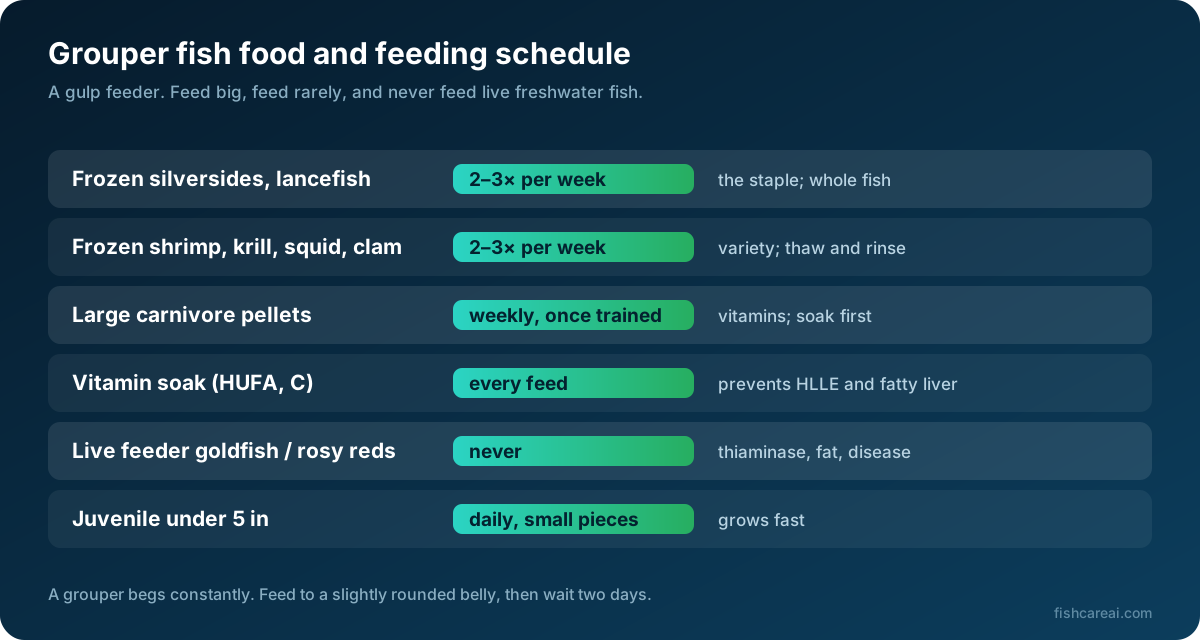
The best grouper fish food is whole or chunked frozen marine seafood — silversides, lancefish, shrimp, krill, squid, clam — fed two or three times a week to adults, daily in small pieces to juveniles, and soaked in a vitamin supplement every time. Groupers are gulp-feeders that swallow prey whole and then digest for days, so the rhythm is feed big, feed rarely, and ignore the begging in between. The two mistakes that shorten a grouper's life are both feeding mistakes: live freshwater feeder fish, and feeding every day because the fish asks.
What Do Grouper Fish Eat in the Wild?
Fish, crustaceans and cephalopods, swallowed whole from ambush. A reef grouper sits in a cave or under a ledge, waits for a wrasse, a damsel or a crab to pass, and takes it with a strike and a suction gulp so fast the prey is inside before it reacts. Gut studies summarised on the grouper family page find fish and crabs in roughly equal measure, with squid and octopus for the larger species, and a single large meal every few days rather than constant grazing. Two things follow for grouper fish food in a tank: it should be meaty and marine, and it should not be daily.
Best Grouper Fish Food, Ranked
| Food | Role | How often | Notes |
|---|---|---|---|
| Frozen silversides, lancefish, smelt | Staple — whole fish | 2–3× weekly | Thaw in tank water; one or two per feed for a 12-inch fish |
| Frozen shrimp (shell on), krill | Staple — crustacean | 2–3× weekly | Shell adds roughage and colour (astaxanthin) |
| Frozen squid, clam, mussel, scallop | Variety | Weekly | Raw, unseasoned; cut to bite size |
| Large sinking carnivore pellets | Vitamins, convenience | 1–2× weekly once trained | Soak first; 6–10 mm pellets |
| Vitamin / HUFA supplement | Prevents HLLE and fatty liver | Every feed | Soak thawed food 10 minutes |
| Live ghost shrimp, fiddler crabs | Tempting a new fish | First week only | Marine or gut-loaded; not a diet |
| Live goldfish, rosy reds, minnows | — | Never | Thiaminase, fat, parasites |
Frozen food from the supermarket fish counter is the same as the aquarium-branded product at a fraction of the price: raw shrimp, squid rings, whitebait and mussels, unseasoned, frozen in portions. Rinse before feeding to keep the juices out of the water.
How Often to Feed Grouper Fish
- Adults (over 8 inches): two or three feeds a week, each to a slightly rounded belly. A 12-inch miniatus takes two silversides or four large shrimp per feed. Then nothing until the belly has flattened, usually two days.
- Juveniles (under 5 inches): daily, in pieces they can swallow, because they are growing an inch a month.
- Sub-adults (5–8 inches): every other day.
- One fast week a month for adults is closer to the wild rhythm and prevents fatty liver.
Groupers beg. A tame grouper rushes the glass whenever someone enters the room and follows a hand along the front pane, and it is very easy to feed a fish that behaves like that every day. Daily feeding of an adult grouper leads to fatty liver disease, a bloated belly and a fish that dies at eight instead of eighteen. Feed to the belly, not to the behaviour. The fish feeding calculator handles the rest of the community.
Why Feeder Goldfish Are the Worst Grouper Fish Food
Live goldfish and rosy red minnows are the traditional grouper food and the reason so many groupers die young. Three problems. Thiaminase: goldfish, minnows and other cyprinids contain an enzyme that destroys vitamin B1; a grouper fed on them develops a deficiency that shows as loss of appetite, twitching and, eventually, death. Fat: freshwater feeders are far fattier than reef prey, and fatty liver disease is the commonest cause of death in large captive groupers. Disease: feeder tanks are the dirtiest in any shop, and freshwater parasites and bacteria come in with the fish. None of it is worth the entertainment. If a new grouper will only take live food, use marine ghost shrimp or fiddler crabs for a week and wean it onto frozen.
Training a Grouper to Take Pellets
- Choose a large (6–10 mm) sinking carnivore pellet and soak a few in the juice of thawed silversides.
- Feed the pellets first, when the fish is hungry, then follow with the frozen food it knows.
- Mix pellets into the frozen feed for a week or two, offered on the stick like the fish.
- Most groupers take pellets within a month; a few never do, and a vitamin-soaked frozen diet is fine.
Pellets are worth the effort because they carry the vitamins and fatty acids a frozen-only diet lacks, which is what prevents head and lateral line erosion — see grouper fish diseases.
Grouper Fish Not Eating
- New fish: a week of refusing food is normal. Dim lights, a cave, and a live ghost shrimp on a stick usually break it.
- Full: a grouper that ate well on Monday may ignore food until Thursday. Look at the belly.
- Disease: white spots, a dusty sheen, rapid breathing or cloudy eyes with a refusal to eat mean ich, velvet or flukes.
- Water: ammonia after a big feed, a temperature spike, or nitrate over 50 ppm all stop groupers eating. Test.
- Bullying: a larger trigger or a second grouper keeping it in the cave. Watch the tank at feeding time.
- Feeder-fish damage: a grouper raised on goldfish that stops eating and twitches has a B1 deficiency; switch to vitamin-soaked marine food immediately.
Everything a grouper eats also affects what it can live with — the tank mates it will treat as food are listed on the grouper fish tank mates page — and the waste from a meaty diet sets the filtration on the water parameters page. How fast a well-fed grouper grows is under grouper size and lifespan, and the rest of the routine is in the grouper fish care guide.
Grouper Fish Care FAQ
What do grouper fish eat?
In the wild, fish, crustaceans and cephalopods swallowed whole from ambush. In the aquarium the best grouper fish food is frozen marine seafood: silversides, lancefish, shrimp, krill, squid, clam and mussel, plus a large carnivore pellet once the fish is trained onto it.
How often should I feed a grouper?
Adults two or three times a week to a slightly rounded belly, then nothing until the belly flattens. Juveniles under 5 inches daily in small pieces. Groupers beg constantly and overfeeding leads to fatty liver and a bloated, lethargic fish.
Can I feed my grouper feeder goldfish?
No. Goldfish and rosy reds contain thiaminase, which destroys vitamin B1, and far too much fat; a grouper fed on them develops fatty liver disease and dies young. They also bring parasites. Frozen marine fish is safer, cheaper and better.
Will a grouper eat pellets?
Yes, most learn within a few weeks. Start by mixing a large sinking carnivore pellet into the frozen food, soak the pellets in the thawed juice, and offer them first when the fish is hungry. Pellets add vitamins the frozen diet lacks.
Why is my grouper not eating?
New groupers often refuse food for a week. Beyond that, check for white spots or a dusty sheen, a bullying tank mate, a water swing, or simple over-feeding — a grouper that ate three silversides on Monday may not want any on Wednesday. Try a live ghost shrimp on a feeding stick.
Do groupers eat their tank mates?
Anything that fits in the mouth, usually at night. Shrimp, crabs, small fish and even fish half the grouper's own length are food. Choose tank mates by size, not temperament.