The best algae eater fish for a freshwater tank are the otocinclus for tanks under 20 gallons, the bristlenose pleco for 20 to 55 gallons and the siamese algae eater for anything with black beard or hair algae; add nerite snails and amano shrimp at any size. Each one eats a different algae, none of them eats fish waste, and every one of them needs feeding once the algae is gone. Buy the animal that matches your algae and your tank size, not the one the shop calls an algae eater.
This guide is the hub of the algae control series. It compares twelve freshwater algae eaters by tank size and by the algae they actually eat, names the two sold everywhere that you should not buy, and links to the pages that do the rest: how to tell a true siamese algae eater from its look-alikes, how to get rid of algae in a fish tank before you add any animal, the black beard algae guide, the hair algae guide and the canister filter guide, because low flow grows more algae than any fish can eat.
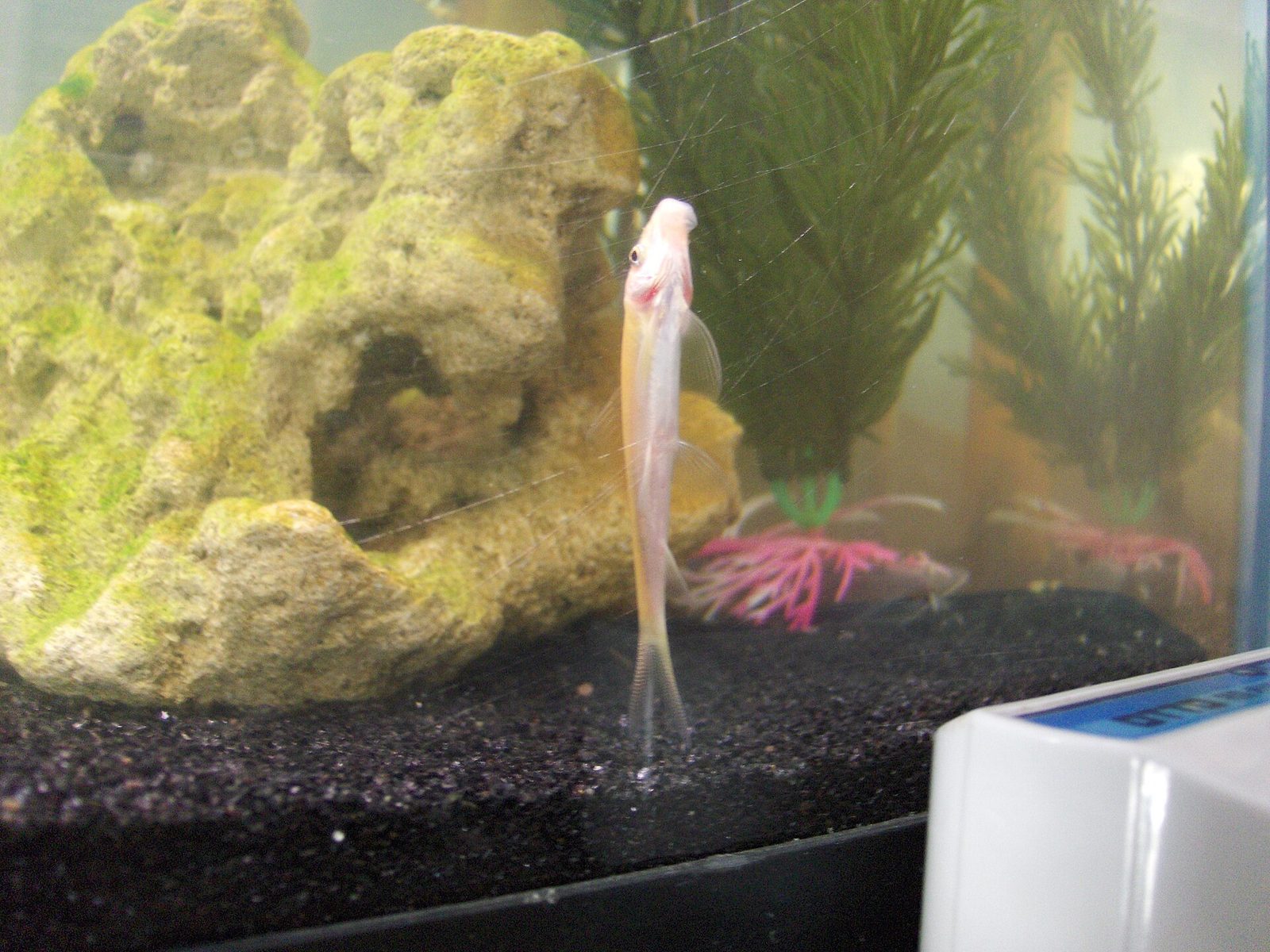
What Eats Algae in a Fish Tank?
Algae is eaten by grazers with a mouth built for scraping: sucker-mouthed catfish (otocinclus, plecos), cyprinids with a fleshy underslung lip (siamese algae eaters, flying foxes), livebearers that pick at threads (mollies, American-flag fish), snails with a rasping radula (nerite, ramshorn) and shrimp with picking claws (amano, cherry). What eats algae is not what cleans a tank. Fish that clean tanks in the sense of removing waste do not exist; the grazers convert algae into more waste, and the filter and your siphon deal with that. The Wikipedia entry on algae eaters lists the families; the table below lists the ones worth keeping.
Three things decide whether an algae eater works in your tank:
- The algae type. Otocinclus eat diatoms and soft green film and ignore black beard algae. Siamese algae eaters eat black beard and hair algae and ignore green spot. No single species eats everything.
- The animal's age and hunger. Juveniles graze hard; well-fed adults graze when they feel like it. A 4-inch chinese algae eater has stopped for good.
- Tank size and numbers. Six otocinclus in 10 gallons clear the glass in a week. One in 55 gallons makes no visible difference and starves.
Freshwater Algae Eaters by Tank Size
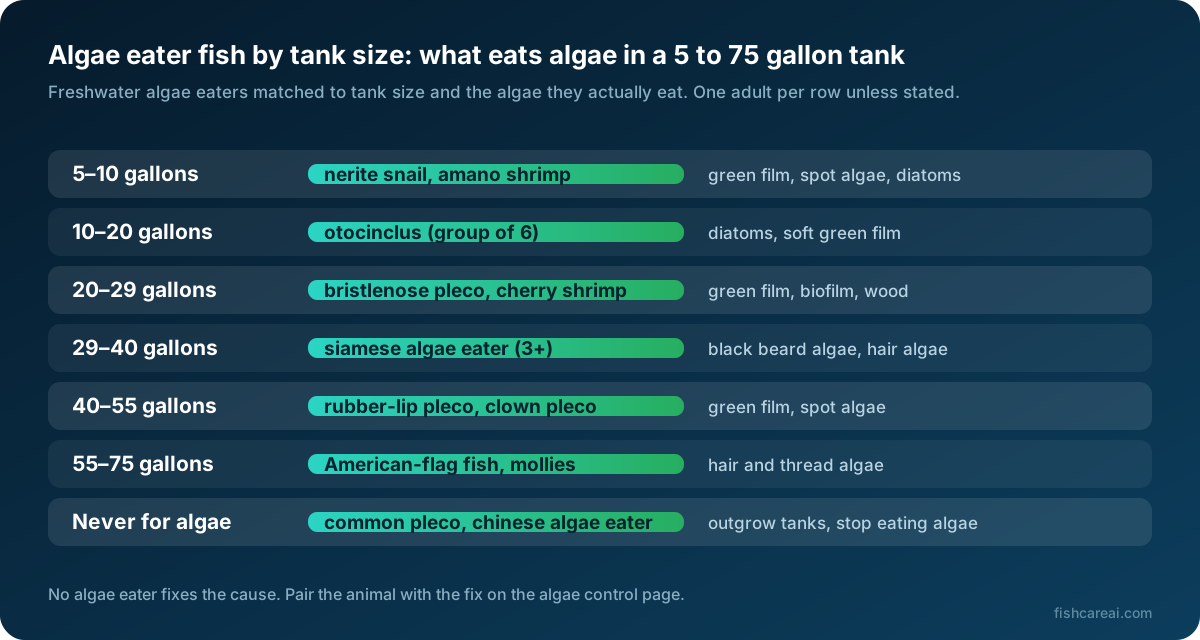
Tank size rules out more algae eaters than anything else. A bristlenose pleco is the best all-round algae eating aquarium fish, but at 5 inches with a heavy bioload it has no place in a 10-gallon tank. The bands below are for one adult or one group, in a tank that is otherwise stocked normally.
| Tank size | Best algae eaters | How many | Algae they eat |
|---|---|---|---|
| 5–10 gallons | Nerite snail, amano shrimp | 1 snail per 5 gal; 3–5 shrimp | Green film, green spot, diatoms, some hair algae |
| 10–20 gallons | Otocinclus | Group of 6+ | Diatoms, soft green film on glass and leaves |
| 20–29 gallons | Bristlenose pleco, cherry shrimp | 1 pleco; 10+ shrimp | Green film, biofilm, algae on wood |
| 29–40 gallons | Siamese algae eater | Group of 3+ | Black beard algae, hair and thread algae |
| 40–55 gallons | Rubber-lip pleco, clown pleco | 1 | Green film, spot algae; clown pleco mostly wood |
| 55–75 gallons | American-flag fish, mollies, hillstream loach | Pair / group | Hair algae, thread algae; loach eats film in high flow |
| 75+ gallons | Any of the above in bigger groups | Scale up | Match the animal to the algae, not the gallons |
The Best Algae Eaters Compared
Ranked by how much algae they remove per gallon of tank they need, in a community tank at 72 to 78°F (22 to 26°C). Adult sizes are what you will see in a home aquarium, not the FishBase maximum.
| Algae eater | Adult size | Min tank | Temperature | Temperament | Verdict |
|---|---|---|---|---|---|
| Otocinclus | 1.5–2 in | 10 gal, group of 6 | 72–79°F | Peaceful, shy | Best for small tanks; needs a mature tank |
| Siamese algae eater | 6 in | 30 gal, group of 3 | 75–79°F | Active, peaceful | The only fish for black beard algae |
| Bristlenose pleco | 4–5 in | 20–25 gal | 72–80°F | Peaceful | Best all-rounder; needs driftwood |
| Nerite snail | 1 in | 5 gal | 72–78°F | Harmless | Best glass cleaner; cannot breed in freshwater |
| Amano shrimp | 2 in | 10 gal | 70–78°F | Harmless | Eats hair and black beard algae; needs shrimp-safe tank mates |
| Rubber-lip pleco | 4–5 in | 25–30 gal | 70–78°F | Peaceful | Cool-water bristlenose alternative |
| Hillstream loach | 2.5–3 in | 20 gal, high flow | 65–75°F | Peaceful | Film algae in cool, oxygen-rich tanks only |
| American-flag fish | 2.5 in | 20 gal | 66–78°F | Nippy males | Hair algae specialist; not with long fins |
| Mollies | 3–4 in | 20 gal | 72–80°F | Peaceful | Pick at hair algae; hard water only |
| Cherry shrimp | 1–1.5 in | 5 gal | 65–78°F | Harmless | Biofilm and soft algae; a colony, not a pair |
Which Aquarium Algae Eaters Eat Which Algae
Identify the algae first. Green film and diatoms are eaten by almost everything; black beard algae is eaten by almost nothing. The black beard algae guide has photos and a chart for telling the types apart.
| Algae | Looks like | Eaten by | Ignored by |
|---|---|---|---|
| Green film / dust | Even green haze on glass | Nerite, otocinclus, bristlenose, rubber-lip | Siamese algae eater (partly) |
| Brown algae (diatoms) | Dusty brown coating, new tanks | Otocinclus, nerite, amano, bristlenose | Mollies |
| Green spot | Hard green dots on glass and anubias | Nerite snail only | Every fish |
| Hair / thread | Green strands 1–3 in | Amano, siamese algae eater, flag fish, mollies | Plecos, otocinclus |
| Black beard / brush | Dark tufts on leaf edges and wood | Siamese algae eater, amano (young, hungry) | Plecos, snails, otocinclus |
| Blue-green (cyanobacteria) | Slimy sheets that smell | Nothing | Everything — it is toxic |
| Green water | Pea-soup water | Daphnia, a UV sterilizer | Every grazer |
Algae Eater Fish to Avoid
Chinese algae eater (Gyrinocheilus aymonieri): sold at 2 inches as an algae eater, grows to 10 or 11 inches, stops eating algae at about 4 inches and spends the rest of a 10-year life rasping the slime coat off slow, flat-sided tank mates like angelfish and discus. It needs a 55-gallon tank with no slow fish. The siamese algae eater page shows how to tell the two apart at the shop.
Common pleco (Hypostomus plecostomus): sold at 3 inches, reaches 15 to 20 inches, produces more waste than a goldfish and eats algae only as a juvenile. It needs 150 gallons. Buy a bristlenose or clown pleco instead; see the pleco care guide for adult sizes by species.
Two others need a warning rather than a ban. Flying foxes are sold as siamese algae eaters, eat far less algae and get territorial at 5 inches. Apple and mystery snails eat some algae but prefer your plants and produce a lot of waste for their size; the mystery snail guide covers keeping them for their own sake.
Feeding Algae Eaters When the Algae Runs Out
A good algae eater clears a 20-gallon tank in two to three weeks and then has nothing to eat. Feed from day one, two or three times a week, so the animal learns where food comes from before it is hungry:
- Algae wafers or spirulina tablets after lights out, one per two or three fish. Remove leftovers in the morning.
- Blanched vegetables: zucchini, cucumber, spinach, shelled peas, weighted with a fork or a veggie clip. Plecos and snails prefer these to wafers.
- Driftwood for every pleco. Bristlenose and clown plecos rasp wood for fiber and will not thrive without it.
- Light feeding for the rest of the tank. Otocinclus and siamese algae eaters lose interest in algae when flake sinks past them all day.
A sunken belly on an otocinclus or a pleco means it has been starving for a week. A round belly and a clean glass mean the balance is right. Use the fish feeding calculator to size the tank's main feed so nothing is left over for the grazers to fill up on.
Common Mistakes With Algae Eating Aquarium Fish
- Adding algae eaters to a new tank. Otocinclus in a tank under three months old starve because there is no biofilm yet. Wait for the tank to grow algae before you buy the animal that eats it.
- Buying one of a shoaling species. Otocinclus and siamese algae eaters hide and graze less alone. Six otos or three SAE, or none.
- Expecting them to fix the cause. Algae grows because of light, nutrients or flow. Follow the 7-step algae control plan first; the grazers keep it away afterwards.
- Overstocking with grazers. Every algae eater is bioload. Check the tank with the fish tank stocking calculator before adding a pleco to a full community.
- Copper and algaecides. Snails and shrimp die at doses that leave fish untouched. Read the label of any algae control drops before you use them with invertebrates.
- Keeping them in the wrong temperature. Hillstream loaches and rubber-lip plecos want 65 to 75°F; siamese algae eaters and bristlenose want 75°F and above. Check the water parameter guide for the community you already have.
Algae Eater Fish FAQ
What eats algae in a fish tank?
In freshwater, the reliable algae eaters are otocinclus catfish, siamese algae eaters, bristlenose plecos, nerite snails, amano shrimp and, for hair algae, American-flag fish and mollies. Each eats a different type of algae, so match the animal to the algae you have.
What is the best algae eater for a small tank?
For 5 to 10 gallons, two nerite snails or four amano shrimp. For 10 to 20 gallons, a group of six otocinclus. All three stay under 2 inches and eat the green film and diatoms small tanks get.
Which fish clean tanks the best?
No fish cleans a tank; algae eaters graze algae, not waste. The best grazers per gallon are otocinclus (diatoms and soft green film), siamese algae eaters (black beard and hair algae) and bristlenose plecos (green film on glass and wood). You still do the water changes.
Do algae eater fish need extra food?
Yes. Once the algae is gone they starve without algae wafers, blanched zucchini or repashy gel two to three times a week. Most algae eaters that die in their first month die of hunger.
Are chinese algae eaters good algae eaters?
No. They graze algae as juveniles, stop by 4 inches, grow to 10 or 11 inches and start rasping the slime coat off slow tank mates. A siamese algae eater is the fish people mean to buy.
How many algae eaters do I need?
One bristlenose pleco per 20 to 30 gallons, six or more otocinclus per 10 to 20 gallons, three or more siamese algae eaters per 30 gallons, and one nerite snail per 5 gallons. More than that and they run out of algae within weeks.
Will algae eaters get rid of black beard algae?
Only true siamese algae eaters and amano shrimp eat black beard algae, and only young, hungry ones. Fix the CO2 and flow problem behind it or it comes straight back; see the black beard algae guide.