Quick Answer
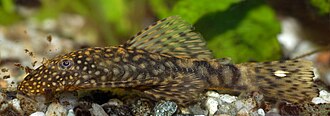
Do not buy a pleco based only on its juvenile shop size. A bristlenose pleco usually remains around 4–6 inches and can suit a mature 20–30 gallon aquarium, while a common pleco may exceed 12 inches and generally needs 100 gallons or more as an adult. Most plecos need warm, oxygenated, fully cycled water, strong biological filtration, hiding places and a complete diet rather than algae alone.
Pleco Species and Tank Size
| Type | Typical adult size | Practical minimum |
|---|---|---|
| Bristlenose pleco | 4–6 inches | 20–30 gallons, depending on footprint and stocking |
| Clown pleco | 3–4 inches | 20 gallons with wood and hiding places |
| Rubber lip pleco | 5–7 inches | 30 gallons with good flow and oxygen |
| Common/sailfin pleco | 12–20+ inches | 100+ gallons; many outgrow home aquariums |
These are planning ranges, not stocking guarantees. Tank footprint, existing fish, waste load and the exact species can require more space. Use the tank size calculator as a starting point and confirm the species before purchase.
Oxygen, Filtration and Water
Plecos need dissolved oxygen just like other fish. Provide visible surface movement and filtration rated for the aquarium’s real biological load. Large plecos produce substantial solid waste, so a filter label based only on gallons may be insufficient. Keep ammonia and nitrite at 0 ppm, control nitrate through water changes, and remove trapped waste from beneath wood and caves.
Most commonly sold plecos are tropical, but preferred temperature and current vary. Avoid keeping tropical plecos in conditions chosen for cool-water pond fish. Warm water holds less oxygen, making surface agitation and clean filter flow especially important.
Food and Natural Wood
Plecos do not live on glass algae alone. Offer a species-appropriate sinking staple and rotate vegetables or protein foods according to the fish’s natural diet. Remove uneaten vegetables before they decay. Many wood-grazing species benefit from aquarium-safe driftwood, but wood does not replace a balanced diet.
Pleco Compatibility
Peaceful community fish can often live with a suitably sized pleco when temperature, water chemistry and space overlap. Avoid crowding multiple territorial bottom dwellers into the same cave zone. Provide separate shelters and watch feeding after lights dim so the pleco is not outcompeted.
Can Plecos Live With Koi?
Usually this is not a good long-term match. Koi need large ponds, seasonal temperature management and extensive swimming space, while most aquarium plecos are tropical. A pleco may also attach to a slow or resting fish and damage its protective slime coat. Choose pond-compatible livestock instead of using a pleco as pond algae control.
Common Mistakes
- Buying a common pleco for a small aquarium because the juvenile is only a few inches long.
- Expecting one pleco to clean the tank without supplemental food or maintenance.
- Ignoring oxygen and filter capacity in warm water.
- Using vague store labels instead of confirming the exact species.
- Combining territorial bottom fish without separate caves and feeding access.
Frequently Asked Questions
What tank size does a pleco need?
It depends on species. Bristlenose plecos generally need at least 20–30 gallons, while common plecos usually need 100 gallons or more as adults.
Do plecos need an air pump?
They need oxygenated water, but an air pump is only one way to provide it. Strong surface movement from the filter or an air-driven sponge filter can improve gas exchange.
Can a pleco live on algae alone?
No. Provide a complete species-appropriate diet and do not treat the fish as cleaning equipment.
Bristlenose ProfileCheck Tank Mates