True siamese algae eaters (Crossocheilus oblongus, sold as C. siamensis or SAE) are the only common aquarium fish that eat black beard algae, and most of the fish sold under that name are not SAE at all.
The flying fox, the false SAE and the chinese algae eater share the tank label, cost the same and eat a fraction of the algae, and one of them grows to 11 inches and attacks its tank mates. This page is the identification check to run at the shop, followed by what a true SAE eats, the tank it needs and why a well-fed adult stops working.
For the species facts (classification, wild habitat, appearance) see the siamese algae eater species profile; for where the SAE sits among the other grazers see the algae eater fish guide.
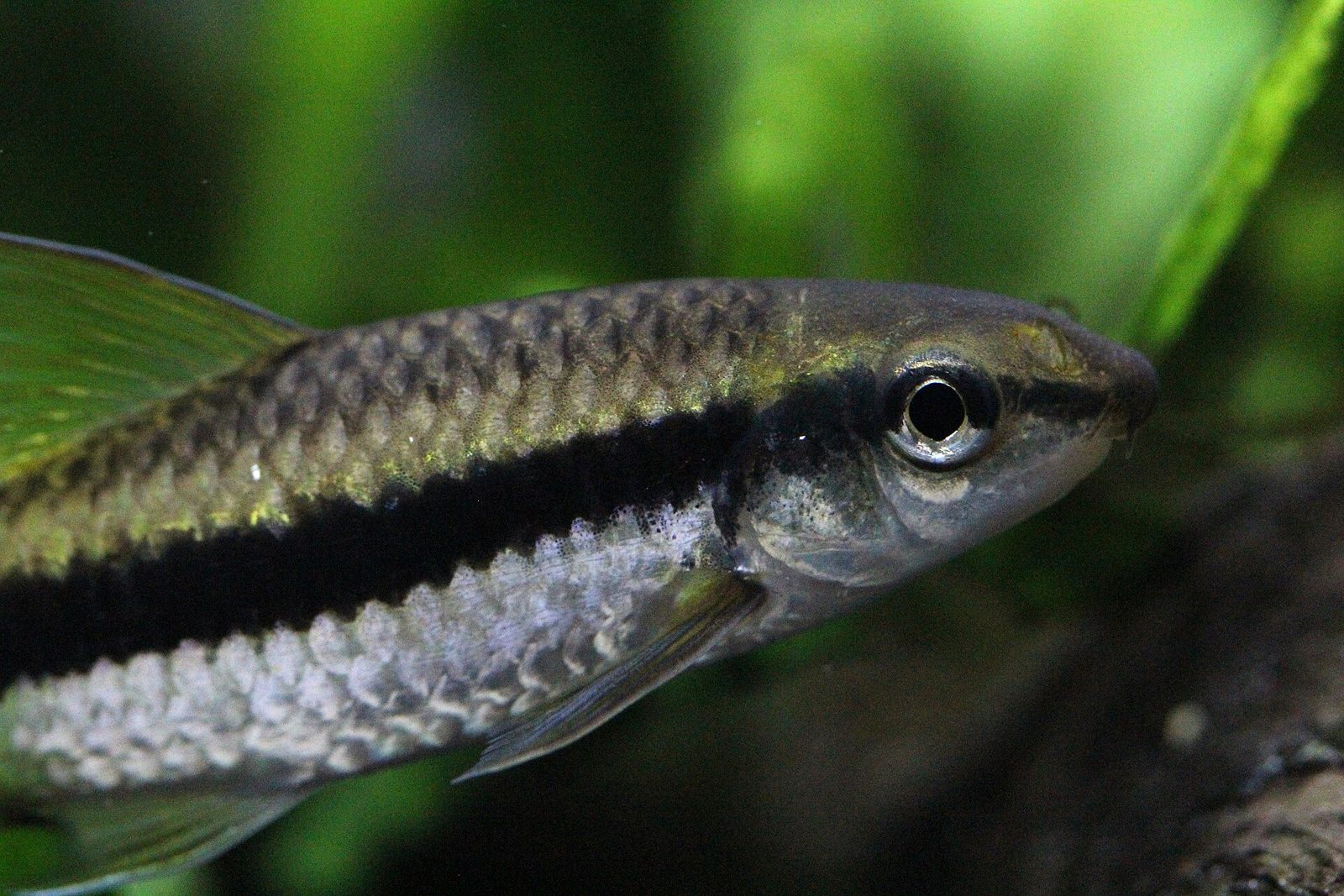
How to Identify a True Siamese Algae Eater
Four checks, in the order you can see them through shop glass:
- The stripe runs into the tail. On a true SAE the black lateral stripe continues through the caudal fin to the fork. On every look-alike it stops at the base of the tail.
- The stripe edge is ragged. Zig-zag, not a clean line, and it fades when the fish is stressed or asleep, which alarms new owners.
- The fins are clear. No red, yellow, black or white edging on the dorsal, anal or tail fins. Colored fins mean a flying fox or a garra.
- One pair of barbels, no gold line. A thin gold or bronze line above the black stripe is the flying fox; two pairs of barbels is the false SAE (Garra cambodgiensis).
Adults reach 6 inches (15 cm), slim and torpedo-shaped, brownish-grey above the stripe and silver below. They rest propped on their pectoral fins on leaves and wood rather than lying flat, which is a useful tell from across the room. The genus account on Wikipedia covers the taxonomy confusion that lets shops mislabel them.
Siamese Algae Eater vs Flying Fox vs False SAE
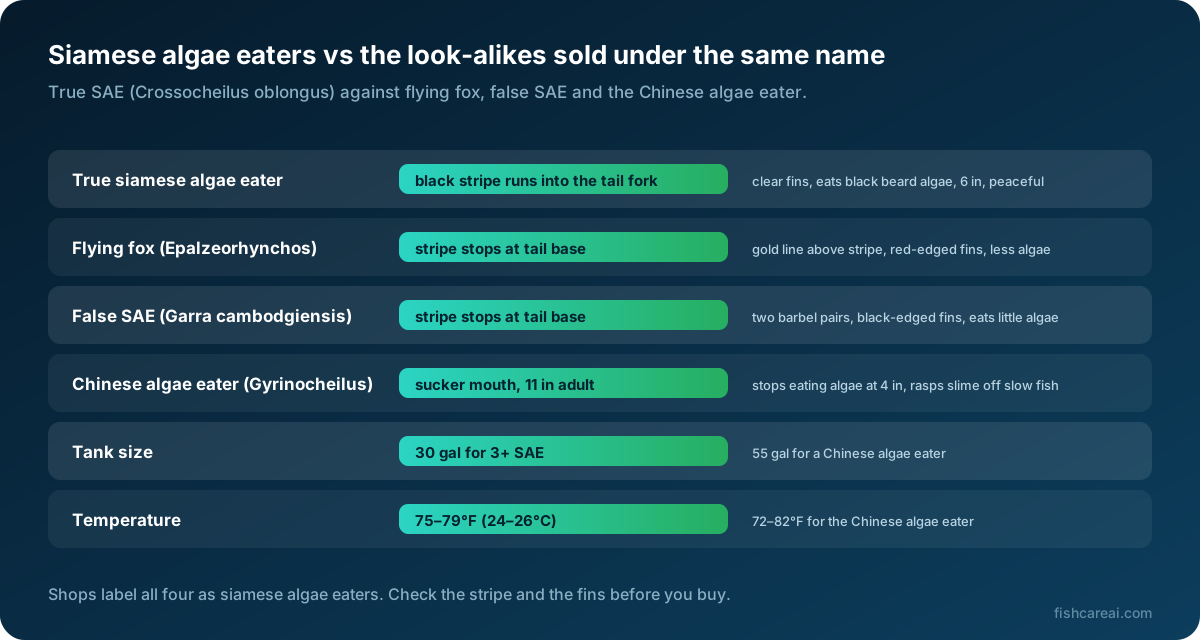
| Fish | Stripe | Fins | Adult size | Algae eaten | Temperament |
|---|---|---|---|---|---|
| True SAE (Crossocheilus oblongus) | Into the tail fork, ragged edge | Clear | 6 in | Black beard, hair, thread, some film | Active, peaceful in groups |
| Flying fox (Epalzeorhynchos kalopterus) | Stops at tail base, gold line above | Red and black edged | 6 in | Little; prefers wafers | Territorial from 4 in |
| False SAE (Garra cambodgiensis) | Stops at tail base, straight edge | Black-edged dorsal | 5 in | Little | Peaceful but useless |
| Chinese algae eater (Gyrinocheilus aymonieri) | Blotchy band, sucker mouth | Clear; gold form common | 10–11 in | Film only until 4 in | Aggressive adult |
The flying fox is the most common substitute and the hardest to spot at 1.5 inches, when the gold line is faint. If the shop tank holds fish with any red on the fins, assume the whole batch is flying foxes.
Siamese Algae Eaters vs Chinese Algae Eater Fish
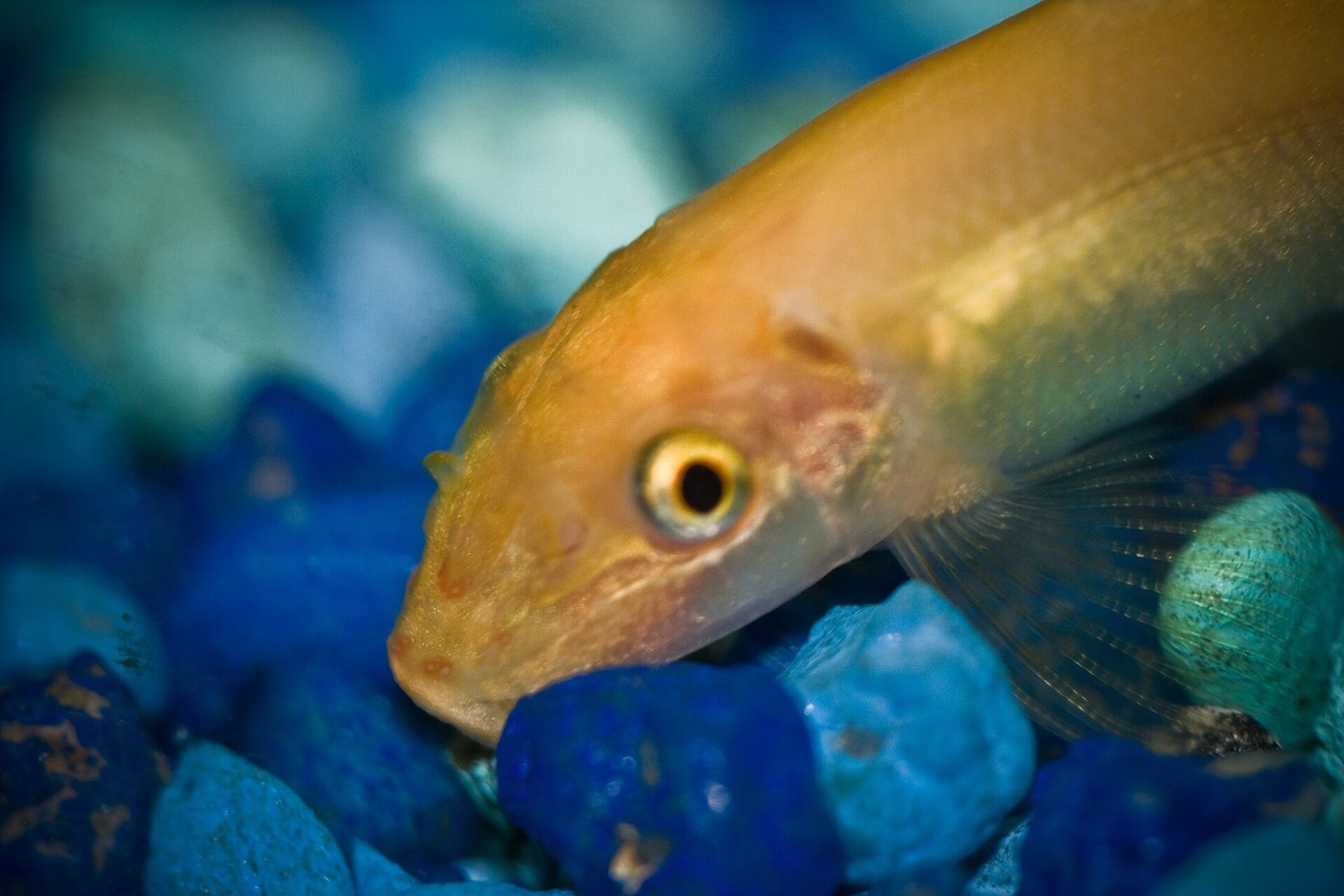
These two are confused by name, not by looks. The chinese algae eater fish is a different family (Gyrinocheilidae) with a round sucker mouth it uses to cling to glass in fast water, a blotchy dark band instead of a crisp stripe, and a popular gold form. It is an excellent film-algae grazer for its first year. It then reaches 4 to 5 inches, switches to flake and wafers, and starts latching on to the flanks of angelfish, discus, goldfish and other slow, broad fish to eat their mucus, leaving pale wounds that get infected.
Adults reach 10 to 11 inches and need a 55-gallon tank with fast tank mates only; the chinese algae eater profile has the numbers. A true SAE stops at 6 inches, never develops the habit and keep grazing, if more slowly, for life. If you want an algae eater, the SAE is the one; if you already have a chinese algae eater, the chinese algae eater disease hub covers the injuries it causes and gets.
What Siamese Algae Eaters Eat
Young SAE under 3 inches are the workhorses: they graze black beard algae, staghorn, hair algae and thread algae off leaves, wood and the filter outlet, and pick at soft green film. They do not eat green spot algae, blue-green algae or diatoms in any quantity, and a group will not touch a mature black beard algae carpet on rock; they take young, soft tufts. In a 30-gallon tank three young SAE strip fresh black beard algae off plant leaves in one to two weeks, provided nobody is feeding them.
Feed lightly: a sinking wafer or a pinch of spirulina flake every other day, a blanched vegetable once a week. They also eat bloodworms, daphnia and anything the community fish miss, which is the problem covered below.
Siamese Algae Eater Tank Size and Care
| Parameter | True SAE | Note |
|---|---|---|
| Tank size | 30 gallons for 3; 55 gallons for 5–6 | 4 ft of length; they cruise constantly |
| Group size | 3 or more | Singles are shy; pairs fight |
| Temperature | 75–79°F (24–26°C) | Tolerates 72–82°F |
| pH / hardness | 6.5–7.5 / 5–15 dGH | Not fussy once settled |
| Flow and oxygen | Moderate to strong | Stream fish; a canister filter with a spray bar suits them |
| Lid | Required | Jumpers, especially the first week |
| Tank mates | Tetras, rasboras, barbs, corydoras, plecos, shrimp | Avoid slow long-finned fish only because SAE outcompete them for food |
| Lifespan | 8–10 years | Adults become plump and slower |
They are shrimp-safe and plant-safe, with one exception: hungry adults graze the leaves of soft mosses and eat Java moss down to the thread. Run the community through the fish compatibility checker before adding a group to a tank of small, slow feeders.
Why a Siamese Algae Eater Stops Eating Algae
An SAE stops grazing for three reasons, and none of them is a health problem: it is over 4 inches and lazy, it is full of flake and wafers, or the algae on offer is the mature, tough kind. The fix is the same for all three: cut the tank's feeding to once every two days for a week, remove any wafers, and scrape the oldest algae away so new growth appears. A hungry SAE returns to grazing within days. If it still ignores fresh black beard algae, check the stripe again; it is probably a flying fox.
An SAE that loses its stripe overnight, lies flat instead of propping on its fins or breathes fast is a different problem. The siamese algae eater disease hub lists the symptoms, and the algae control plan covers what to do about the algae in the meantime.
Siamese Algae Eaters FAQ
How do I know if my siamese algae eater is real?
Look at the black stripe: on a true SAE it runs through the tail fin to the fork and has a ragged zig-zag edge. On a flying fox or false SAE it stops at the base of the tail and the fins carry color. A true SAE also has clear fins and a single pair of barbels.
What is an SAE algae eater?
SAE is the hobby abbreviation for siamese algae eater, Crossocheilus oblongus (sold as C. siamensis), a 6-inch cyprinid from Thailand and Malaysia and the only common aquarium fish that eats black beard algae.
Is a chinese algae eater fish the same as a siamese algae eater?
No. The chinese algae eater (Gyrinocheilus aymonieri) is a different family with a sucker mouth, grows to 10 or 11 inches, stops eating algae at about 4 inches and becomes aggressive. Siamese algae eaters stay at 6 inches and keep grazing.
How many siamese algae eaters should I keep?
Three or more in a 30-gallon tank, five or six in 55 gallons. A single SAE is fine but nervous; in a group they spread the grazing and a dominant fish has company to chase instead of other species.
Do siamese algae eaters eat black beard algae?
Yes, young SAE under 3 inches graze black beard algae and staghorn readily. Adults that are fed flakes and wafers lose interest, so feed the tank lightly for a week when you want them to work.
Are siamese algae eaters aggressive?
Rarely. They are active and chase each other in a group, and a large adult may hog a feeding spot, but they do not nip fins or harm shrimp. The aggressive one in the shop tank is usually a flying fox or a chinese algae eater.