If you are learning how to take care of a fish for beginners, start with one rule: healthy fish come from healthy water. Food and decorations matter, but water quality, tank size, filtration, oxygen, and patience decide whether a beginner aquarium succeeds.
Choose the Right Beginner Fish
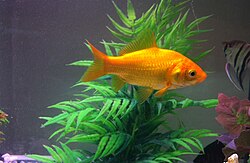
Beginner fish should match your tank size and water conditions. Bettas, zebra danios, platies, guppies, corydoras, and some tetras can be good starting points. Koi, oscars, discus, and large plecos need more space and planning than most first tanks.
Set Up the Tank Before Buying Fish
Rinse the aquarium, add substrate and decor, install the filter and heater, fill with dechlorinated water, and run equipment before fish come home. Avoid untreated tap water because chlorine and chloramine can damage fish and beneficial bacteria.
Cycle the Aquarium
Cycling grows beneficial bacteria that convert toxic ammonia and nitrite into nitrate. A fishless cycle is safest. Test ammonia, nitrite, and nitrate until ammonia and nitrite read 0 ppm before adding fish slowly.
Feed Lightly
Feed once or twice daily, only what fish can eat in about two minutes. Uneaten food breaks down into ammonia, clouds water, and can trigger disease.
Clean Without Crashing the Tank
Change 20-30% of the water weekly or every other week for many beginner tanks. Match temperature, use water conditioner, and rinse filter media only in removed tank water.
Plan Compatible Tank Mates
Compare adult size, temperament, temperature, pH, hardness, and swimming level before mixing fish. Bettas, goldfish, oscars, mollies, and swordtails all have compatibility concerns beginners should understand.
Fish Care FAQ
How hard is it to take care of a fish for beginners?
It is manageable if you choose an appropriate species, cycle the tank, test water, and avoid overstocking. The hardest part is learning that water care comes before fish care.
How often should beginners clean a fish tank?
Most beginner aquariums do well with a 20-30% water change weekly or every other week, but the schedule depends on stocking, filtration, plants, and nitrate levels.
Can beginners keep fish in a bowl?
Bowls are usually too small and unstable. Most fish need a filtered, heated, cycled tank with enough room to swim and enough water volume to dilute waste.
This guide was reviewed for practical fish care safety, water quality accuracy, and beginner clarity. For severe illness, poisoning, or pond emergencies, contact an aquatic veterinarian or experienced local aquatics professional.
Related Fish Care Guides and Tools
How to take care of fish step by step
Start with the aquarium rather than the fish. Choose a tank that can hold stable temperature and water chemistry, install a filter, add a heater when the species needs tropical temperatures, and use a lid to reduce evaporation and jumping. Rinse new equipment with plain water only; soaps and household cleaners can leave toxic residues.
1. Cycle before stocking
The nitrogen cycle gives beneficial bacteria time to process fish waste. Add dechlorinated water, run the filter continuously, and test until ammonia and nitrite read 0 ppm. Nitrate should remain manageable with water changes. Adding many fish at once can overwhelm a new filter even when the tank looks clean.
2. Match care to the species
Check adult size, temperature, pH, hardness, swimming level, social needs and temperament before purchase. A betta, guppy, goldfish and discus do not share the same ideal setup. Use the FishCare AI Tank Size Calculator and Compatibility Checker before stocking.
3. Feed and clean consistently
Offer only what fish can eat in roughly two minutes, then remove leftovers. Test water weekly, change about 20–30% when appropriate, siphon visible debris, and clean filter media in removed aquarium water rather than untreated tap water. Replace media only when it is worn out so beneficial bacteria are not removed unnecessarily.
Weekly fish care checklist
- Observe appetite, breathing, fins, color and swimming.
- Test ammonia, nitrite, nitrate, pH and temperature.
- Check filter flow, heater and lid.
- Change water based on test results and stocking.
- Record readings so gradual changes are visible.
Related guides and tools
Continue with how to set up a fish tank, aquarium water parameters, and the FishCare AI aquarium tools.