If you are searching for how to take care of a fish in a bowl, the honest answer is that bowls are usually harder and riskier than filtered aquariums. Small water volume changes temperature quickly, waste builds up fast, and many bowls lack oxygen exchange.
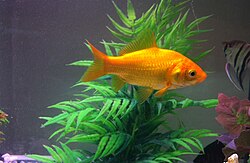
Are Fish Bowls Safe?
Fish bowls can work only in very limited temporary situations. For daily fish care, bowls are difficult because they usually lack filtration, oxygen, and stable water volume. Goldfish, koi, oscars, angelfish, mollies, swordtails, discus, and schooling fish should not live in bowls.
Minimum Bowl Care Checklist
Use the largest bowl possible, dechlorinate all tap water, keep temperature stable, feed lightly, test water often, and plan an upgrade. Ammonia and nitrite should always be 0 ppm.
Water Change Frequency
Without a filter, bowls often need small frequent partial water changes. A starting point is 25-50% several times per week, adjusted by water tests, fish size, bowl volume, and feeding.
Feed Very Lightly
Offer a tiny amount once daily and remove uneaten food after two minutes. In a bowl, extra food quickly becomes ammonia.
Clean Safely
Prepare dechlorinated water at the same temperature, avoid soap or cleaners, remove part of the old water, wipe algae with an aquarium-only sponge, and refill gently.
Upgrade From a Bowl
Upgrade immediately if fish gasp, clamp fins, lose color, develop fin damage, or if ammonia or nitrite appears. A 5-10 gallon filtered tank is much safer for many small fish.
Fish Care FAQ
How often should I change the water in a fish bowl?
Without a filter, plan on small partial changes (roughly 25–50%) several times a week rather than once weekly like a filtered tank. Adjust based on water tests — if ammonia is detectable, change water sooner.
How do I clean a fish bowl?
Prepare dechlorinated water at a matching temperature first. Never use soap or household cleaners. Remove part of the old water, gently wipe algae with an aquarium-only sponge, and rinse decor in old tank water rather than tap water before refilling.
What's the easiest fish to care for in a bowl?
None are truly easy in a bowl long-term, but bettas are the most commonly kept because their labyrinth organ helps them tolerate lower oxygen. Even so, a small filtered tank gives dramatically better results than any bowl.
Can a fish live in a bowl without a filter?
Some fish may survive for a while, but survival is not good care. Without a filter, waste builds up quickly and oxygen can be low.
How do you keep a fish bowl from smelling?
Smell usually means waste, overfeeding, or poor water quality. Feed less, remove uneaten food, test water, and do frequent partial water changes.
Is a bowl okay for a betta fish?
A bowl is not ideal for a betta. Bettas need warm, clean, stable water and usually do best in a heated, filtered aquarium of at least 5 gallons.
This guide was reviewed for practical fish care safety, water quality accuracy, and beginner clarity. For severe illness, poisoning, or pond emergencies, contact an aquatic veterinarian or experienced local aquatics professional.