If you are searching for how to take care of fish without oxygen, treat it as an emergency. Fish do need oxygen. Most people mean the air pump stopped, power went out, water has low oxygen, or fish are gasping at the surface.
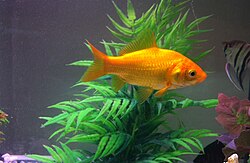
Signs Fish Need More Oxygen
Warning signs include gasping at the surface, rapid gill movement, lethargy, bottom fish moving upward, and fish crowding near filter outflow or bubbles.
Quick Emergency Fixes
Increase surface movement, point filter flow at the surface, pour treated tank water back in from a small height, use a battery air pump, remove waste, and stop feeding temporarily.
What Not To Do
Do not dump untreated tap water into the tank, overfeed stressed fish, add random chemicals, or move fish into a tiny bowl unless the main tank is toxic and safe water is ready.
Common Causes
Power outages, overstocking, warm water, dirty tanks, still bowl water, and poor circulation can all reduce oxygen. Warm water holds less oxygen than cooler water.
Power Outage Care
Keep the lid mostly closed, avoid feeding, do not clean filter media, use a battery air pump, and preserve heat carefully while keeping surface gas exchange available.
Prevent Low Oxygen
Use a filter with surface movement, keep a battery air pump, avoid overstocking, avoid overfeeding, test water regularly, and keep temperature in the correct species range.
Fish Care FAQ
Can fish survive without oxygen?
No. Fish need oxygen, usually dissolved in water. Some species can gulp air, but they still need clean oxygenated water for long-term health.
Are there fish that don't need oxygen in the water?
Not exactly — but some fish, like bettas, gouramis, and other labyrinth fish, have a special organ that lets them gulp oxygen from the air at the surface as a backup to their gills. This is why they can tolerate lower-oxygen water better than most fish and don't strictly need an air pump, but they still need access to the surface and reasonably clean water — they're more tolerant of low oxygen, not independent of it.
Do all fish need oxygen?
Yes, every fish needs oxygen to survive. Most absorb it from the water through their gills; a few species, like bettas and other labyrinth fish, can also gulp air at the surface, but all fish still rely on oxygen one way or another.
How do fish get oxygen?
Most fish extract dissolved oxygen from the water as it passes over their gills. Labyrinth fish (bettas, gouramis) have an additional organ that lets them breathe air directly from the surface, which is why you'll sometimes see them gulp at the top of the tank even in a well-oxygenated aquarium.
How long can fish live without an air pump?
It depends on tank size, stocking, temperature, filtration, and surface movement. Some filtered tanks are fine without a separate air pump, but crowded warm tanks can become dangerous faster.
Does changing water add oxygen?
Partial water changes can help when done safely with dechlorinated, temperature-matched water. Surface movement and splashing add oxygen more directly.
This guide was reviewed for practical fish care safety, water quality accuracy, and beginner clarity. For severe illness, poisoning, or pond emergencies, contact an aquatic veterinarian or experienced local aquatics professional.