Freshwater fish care is easier when you think in systems: water quality, temperature, oxygen, filtration, diet, behavior, and compatibility all work together. This guide gives a practical overview for home aquariums.
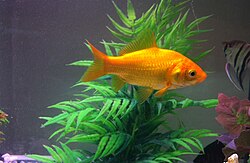
Freshwater aquarium setup
Choose a tank that fits the adult size and activity level of the fish.
Use a filter that can handle the aquarium volume and fish waste.
Add a heater for tropical freshwater fish and monitor temperature with a thermometer.
Provide plants, caves, or cover so fish can rest and avoid stress.
Water quality basics
Ammonia and nitrite should be 0 ppm in a stable aquarium.
Nitrate should be controlled with water changes, plants, and careful feeding.
Stable pH is usually safer than chasing a perfect number too quickly.
Freshwater feeding
Feed species-appropriate food in small portions.
Herbivores, omnivores, carnivores, livebearers, cichlids, and bettas do not all need the same diet.
Fasting one day occasionally can be safer than constant overfeeding in many community tanks.
Compatibility and stocking
Compare adult size, temperament, swimming level, group needs, temperature, and water hardness.
Schooling fish usually need groups. Territorial fish need space and visual breaks.
Do not keep koi, oscars, and other large fish in small indoor tanks.
FAQ
Is freshwater fish care easy?
It can be beginner-friendly if the tank is cycled, stocked lightly, tested regularly, and matched to species needs.
What freshwater fish are best for beginners?
Some danios, rasboras, livebearers, corydoras, and bettas can be good beginner fish when their tank requirements are met.