A fish care chart helps beginners compare species before buying them. Tank size, adult size, temperature, group behavior, diet, and temperament matter more than how small the fish looks in a store.
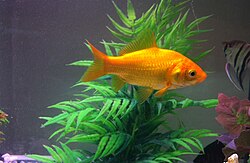
Freshwater Fish Care Chart
| Fish | Minimum home | Temperature | Group needs | Care level |
|---|---|---|---|---|
| Betta fish | 5+ gal | 76-81°F | Solo or careful tank mates | Beginner |
| Zebra danio | 10+ gal | 64-75°F | 6+ fish school | Beginner |
| Molly fish | 20+ gal | 75-80°F | Group, hard water | Beginner/Intermediate |
| Swordtail | 20+ gal | 72-79°F | Group, more females than males | Beginner |
| Angelfish | 29+ gal tall | 76-82°F | Pair or planned community | Intermediate |
| Discus | 55+ gal | 82-88°F | Group, very stable water | Advanced |
| Oscar | 75+ gal | 74-81°F | Large cichlid planning | Intermediate |
| Koi | Pond | Seasonal | Outdoor pond group | Intermediate |
How to use this fish care chart
Use the chart as a starting point, not as a replacement for a full species guide.
Choose fish that share similar temperature, pH, hardness, temperament, and swimming space needs.
Do not mix pond fish, large cichlids, and tiny schooling fish just because they are all freshwater species.
Beginner interpretation
Easy fish still need cycled water, stable temperature, and proper feeding.
Intermediate fish may need larger groups, cleaner water, more space, or careful tank mate selection.
Expert fish such as discus usually need very stable warm water and more experience.
How to Use This Fish Care Chart
Use the chart as a first filter, not as the only care source. If two fish have different temperature ranges, adult sizes, or group needs, they may not belong in the same tank. After comparing the chart, open the species guide and confirm diet, temperament, water hardness, and tank mate risks.
Chart Limits
Care charts simplify complex animals, so they cannot cover every local water condition or individual temperament. A betta may tolerate some tank mates or reject all of them. Mollies may thrive in one tap water source and struggle in another. Always combine chart data with water testing and observation.
Best Beginner Use
For a first aquarium, choose fish with overlapping temperature needs, peaceful temperaments, and similar adult sizes. Avoid mixing cold-water pond fish with tropical community fish. When in doubt, start with fewer fish and let the tank mature before adding more.
FAQ
What is the easiest fish in the chart?
Zebra danios, some rasboras, and many livebearers are often beginner-friendly when kept in proper groups and cycled tanks.
Can a fish care chart replace testing water?
No. A chart helps with planning, but water testing shows whether your aquarium is actually safe.