Good betta fish care is not complicated, but it does require a real aquarium. A healthy Betta splendens needs warm, conditioned water, a cycled filter with gentle flow, room to swim, access to the surface and a protein-rich diet. The species can breathe atmospheric air through its labyrinth organ, but that adaptation does not make cold or polluted water safe.
- Tank size: 5 gallons minimum, 10 gallons easier to keep stable
- Temperature: 76–81°F (24–27°C), with a reliable heater
- Ammonia / nitrite: always 0 ppm; nitrate low via partial water changes
- pH: 6.5–7.8, stability matters more than the exact number
- Life span: commonly about 2–5 years in total; age at purchase matters
- Price: $5–$30 typical; rare show varieties $30–$100+
- Diet: quality betta pellets in small measured meals; remove leftovers
- Tank mates: none for males with other bettas; snails, shrimp, or calm bottom-dwellers only in larger, established tanks
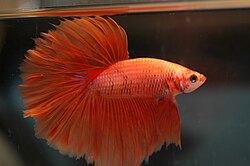
Betta Fish Care at a Glance
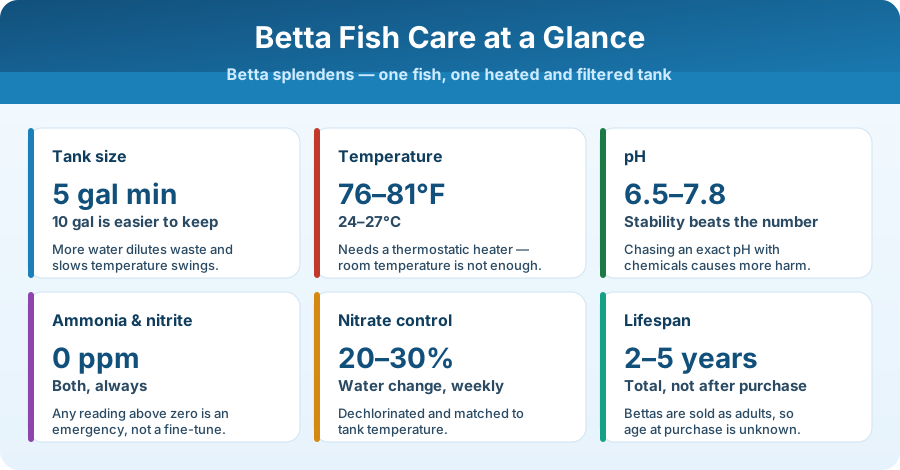
| Care requirement | Practical recommendation |
|---|---|
| Tank | 5 gallons minimum for one betta; 10 gallons gives more stable water |
| Temperature | 76–81°F (24–27°C), kept stable |
| Filter | Cycled, low-flow filtration |
| Water quality | 0 ppm ammonia, 0 ppm nitrite; control nitrate with partial water changes |
| Food | Protein-rich betta pellets plus occasional appropriate frozen foods |
| Expected lifespan | Commonly about 2–5 years total, not necessarily 2–5 years after purchase |
| Social needs | Keep males separately; choose other tank mates only after checking temperament and space |
Best Tank Size for Betta Fish
A 5-gallon aquarium is a practical minimum for one adult betta, while a 10-gallon tank is easier to heat, filter and maintain. More water dilutes waste and slows sudden temperature or chemistry changes. Use a lid because bettas can jump, but leave an air space above the water so the fish can breathe comfortably at the surface.
Include open swimming room, shaded areas and broad soft leaves or a smooth resting platform close to the surface. Long-finned bettas tire more easily in strong current, so baffle an aggressive outlet or use a sponge filter. Avoid sharp plastic plants and rough ornaments that can snag fins.
Keeping a Betta in a Small Tank or Bowl
Bowls and tiny unfiltered containers are poor permanent homes because their temperature and water chemistry can change rapidly. They also restrict space for a heater, filter and enrichment. If a betta is currently in a bowl, prepare and cycle a suitable aquarium rather than attempting to compensate indefinitely with disruptive full water changes.
Betta Fish Temperature, Filter and Water Parameters
Maintain a stable 76–81°F with a thermostatically controlled heater and thermometer. A gentle filter provides biological filtration and circulation without forcing the fish to fight the current. Cycle the aquarium before adding the betta whenever possible, and always dechlorinate tap water.
Ammonia and nitrite should remain at 0 ppm. Monitor nitrate and control it with partial water changes, sensible feeding and substrate cleaning. Bettas tolerate a useful pH range, but stability is safer than repeatedly adding chemicals to chase a particular number. Test the water first when appetite, breathing, posture or activity changes.
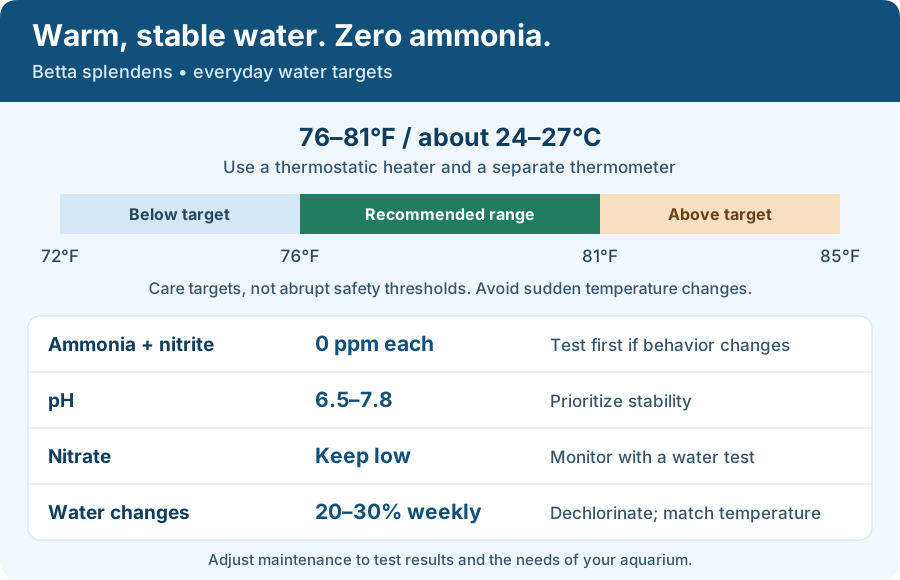
Check your own readings: the betta fish water parameters checker scores your test-kit numbers against these ranges and tells you what to correct first.
What Do Betta Fish Eat?
Bettas are primarily insect-eating carnivores. Use a reputable betta pellet as the staple because it is easier to portion and nutritionally more complete than treats alone. Offer small meals once or twice daily according to the food label, the pellet size and the individual fish’s body condition. Remove uneaten food before it decomposes.
Frozen or properly prepared brine shrimp, daphnia and bloodworms can add variety, but treats should not displace a balanced staple. Avoid relying on generic flakes that the fish consistently refuses. A rounded or swollen abdomen is not proof that the fish needs more food; review portion size and water quality before feeding again.
How Long Do Bettas Live?
Most pet bettas live roughly two to five years in total. PetMD gives a common range of three to five years, while Aqueon describes an average of about two to four years and notes that five years is old age for many bettas. These ranges overlap because lifespan is not a fixed promise: genetics, early rearing, age at sale, temperature, water quality, nutrition, disease and chronic stress all influence the outcome.
The number that matters to a new owner is often not total life span but time after purchase. Bettas sold with developed color and fins are not newborn fish, and their exact age is frequently unknown. A fish that lives another two years after purchase may therefore have reached a normal total age. This distinction is also raised repeatedly by experienced keepers in the Aquarium Co-Op discussion supplied for this review.
Betta Life Span: What Helps a Betta Live Longer?
A larger heated and cycled tank cannot change inherited traits, but it reduces preventable stress. Keep temperature stable, maintain zero ammonia and nitrite, perform regular partial water changes and use gentle filtration. Feed measured, protein-rich food, provide safe resting places and respond promptly when the fish stops eating, breathes rapidly, clamps its fins or becomes unusually inactive.
Choose an alert fish with clear eyes, normal breathing, an intact body and the ability to swim without struggling. Extremely long fins may require especially gentle flow and more resting areas. Community reports describe variable outcomes among different sources and ornamental forms, but those anecdotes cannot prove that a particular seller, color or tail type determines lifespan. Ask a breeder or retailer for the hatch date and health history when available.
For a deeper discussion of age at purchase, aging signs and cold-water effects, read our focused betta lifespan guide.
How Much Does a Betta Fish Cost?
Bettas are one of the more affordable fish to buy: common color and fin varieties (veiltail, standard colors) typically run $5–$15, with most bettas across the board falling in the $5–$30 range. Rarer varieties — plakat, koi, dragon-scale, or unusual colors like true black or albino — often cost $30–$60, and exceptional show-quality fish from specialty breeders can run $100 or more.
The fish is the cheap part. A realistic first-time setup — a 5–10 gallon tank, heater, gentle filter, water conditioner, and food — typically runs $100–$250 depending on quality, and that's the number to budget for rather than just the price tag on the fish itself.
Is a Betta Fish Good for Beginners?
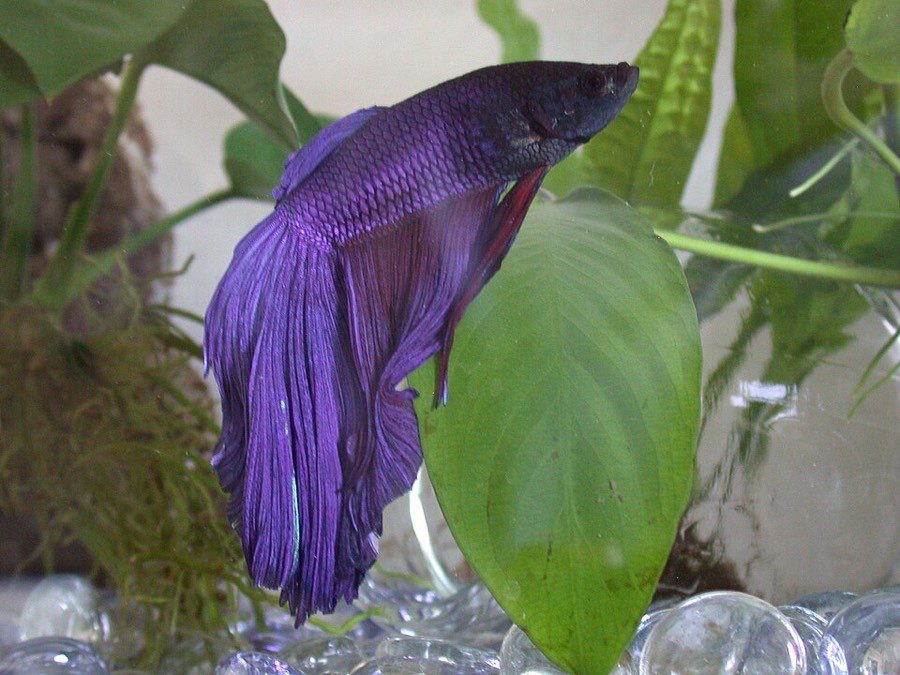
Bettas are usually marketed as the ultimate beginner fish, and there's real truth to that: they're hardy, tolerant of a range of conditions once established, don't need a large footprint, and have enormous personality for a single small fish. That reputation is also part of the problem — because they're sold as low-maintenance starter pets, many bettas end up in unheated bowls with no cycling and no water-change routine, which is where most beginner betta deaths actually come from.
A more accurate framing: bettas are an easy species for a beginner who's willing to do the basics — a heated, cycled tank of at least 5 gallons and a weekly maintenance routine — and a hard species for a beginner who wants zero equipment and zero maintenance. The fish itself is forgiving; the "bowl and nothing else" version of betta keeping is what causes most of the bad outcomes people associate with the species.
Betta Fish Care for Kids
Bettas are a popular first pet for kids for good reason — a single fish is visually striking, doesn't need daily large-scale cleaning, and the feeding routine (a pinch of pellets once or twice a day) is simple enough for a child to handle with supervision. That said, the equipment and water-quality side of the hobby — cycling the tank, checking temperature, treating tap water, doing partial water changes — is genuinely an adult or supervised-family task, not something to hand a young child solo. A good family setup: let the child handle feeding and daily observation ("does the betta look active and colorful today?"), while an adult manages the heater, filter, and weekly water testing and changes. Framed that way, a betta can be a great low-drama way to introduce a kid to pet responsibility without the fish paying the price for a missed step.
Tank Mates
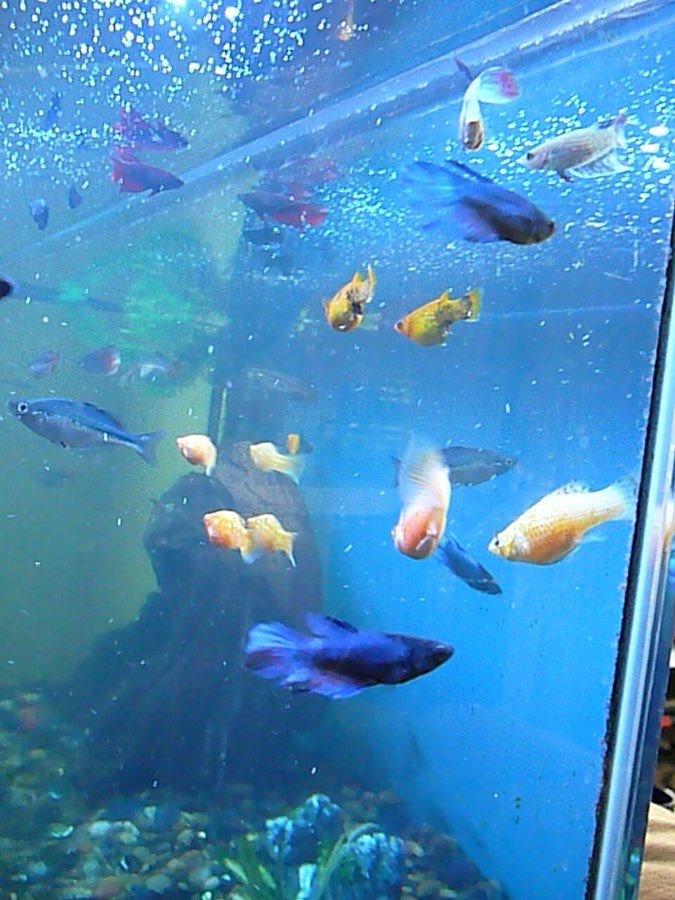
Male bettas should not live with other bettas — they're highly territorial toward their own kind and will fight, often fatally. That includes other males and, outside of deliberate breeding, females too. If you are unsure which sex a short-finned fish is, check before adding it to an occupied tank — our male vs female betta guide covers the reliable cues.
Beyond that, compatibility depends on the individual fish and the available space. In a suitably sized, established planted aquarium, some bettas coexist with calm, non-nippy species or snails, while others attack any companion. Shrimp may be hunted. Avoid fin-nippers, highly active competitors and fish with similar flowing fins. Female groups are an advanced, failure-prone setup rather than a beginner recommendation; keep a separation plan ready whenever attempting any betta community.
Introduce any tank mates gradually and watch closely for the first week. If a betta is chasing, nipping, or hiding excessively, be ready to separate the fish rather than assuming they'll "work it out."
Before adding another species, use our betta fish compatibility hub to compare potential tank mates and check space, temperament, and water requirements.
Common Betta Health Problems and Warning Signs
Clamped fins, loss of appetite, rapid breathing, faded color and persistent lethargy are distress signals, not diagnoses. In a home aquarium the most common cause behind all of them is water quality or temperature, so the first step never changes: test ammonia, nitrite, nitrate and temperature, and confirm the heater and filter are actually working. A betta that recovers after a water change and a heater fix never needed medication in the first place.
Once conditions check out, these are the named conditions bettas are most often diagnosed with, and the cue that tells them apart:
| Condition | What you actually see | First thing to check |
|---|---|---|
| Fin rot | Fin edges fraying and receding over days, often with a darkened, white or milky margin — progressive, not a single clean tear | Nitrate level and water-change frequency; also sharp decor and fin-nipping tank mates, since torn fins are what bacteria colonize |
| Ich (white spot disease, Ichthyophthirius multifiliis) | Distinct salt-grain white dots on body and fins, usually preceded by flicking or rubbing against decor | Temperature stability — outbreaks typically follow a chill or a new fish added without quarantine |
| Velvet (Piscinoodinium) | A fine gold or rust-colored dust sheen, easiest to see with a flashlight held at an angle in a dark room; clamped fins and rubbing come before the color is visible | Same triggers as ich: recent additions, a temperature drop, or sustained stress |
| Swim bladder disorder | Floating at the surface, sinking to the bottom, or listing to one side — usually worst shortly after feeding | Portion size and pellet handling; in bettas this is far more often overfeeding or constipation than infection |
| Dropsy | Abdomen swollen with the scales lifted away from the body — a pinecone outline when the fish is viewed from above | Not something to self-treat: it is a late-stage sign of internal organ failure, and the prognosis is poor. Contact an aquatic veterinarian |
Three more are worth naming because they get mistaken for the list above. Columnaris shows as a cottony grey-white patch around the mouth or across the back and moves much faster than fin rot. Popeye is one or both eyes bulging, usually following an injury or a water-quality lapse. And plain constipation — a rounded belly with the scales lying flat, no pineconing — normally resolves with a fasting day rather than medication.
Similar signs can have very different causes, so do not combine medications, do not treat from a photograph alone, and do not dose an entire community tank for one fish. Isolate when appropriate, change one variable at a time, and consult an aquatic veterinarian for severe swelling, injury, breathing distress or any illness that does not improve.
Symptom-by-symptom walkthroughs: betta fin rot, white spots, clamped fins, bloating, not eating, gasping at the surface, swimming sideways, lethargy. See all betta fish diseases.
Daily Betta Care Routine
Check your betta every day for appetite, breathing, fin position, and color. A healthy betta usually notices food quickly, explores the tank, and rests near leaves, plants, or gentle surfaces without gasping. Remove uneaten food, confirm the heater is working, and make sure the filter flow is not pushing the fish around the tank.
Bettas are genuinely interactive and many will follow a finger along the glass or "greet" their owner at feeding time — a good low-effort way to play with a betta is simply moving a finger slowly along the outside of the tank and watching it track the movement. Avoid holding a mirror up to the tank for more than a few seconds at a time: it triggers the same flaring/aggression response as seeing a rival male, and frequent or prolonged mirror use is stressful rather than fun for the fish.
Weekly Betta Maintenance Checklist
Once a week, test ammonia, nitrite, nitrate, and temperature before changing water. Replace 20-30% of the water with dechlorinated, temperature-matched water, and gently clean debris from the substrate. Do not replace all filter media at once, because beneficial bacteria live there and keep the aquarium cycled.
Common Betta Care Mistakes
The most common mistakes are keeping bettas in cold bowls, using sharp plastic plants, overfeeding, and adding tank mates too quickly. A betta that clamps fins, hides constantly, floats strangely, or breathes rapidly should be treated as a water-quality warning first. Test the tank before assuming the fish needs medication.
Taxonomy & Classification
Betta splendens belongs to the family Osphronemidae (gouramis and allies), order Anabantiformes. The genus Betta contains over 70 recognized species, most of which are smaller, drabber wild fish from Southeast Asia. The familiar aquarium betta is the result of centuries of selective breeding in Thailand, originally for fighting rather than appearance.
| Rank | Classification |
|---|---|
| Kingdom | Animalia |
| Phylum | Chordata |
| Class | Actinopterygii |
| Order | Anabantiformes |
| Family | Osphronemidae |
| Genus | Betta |
| Species | B. splendens |
Natural Habitat
Wild betta fish inhabit rice paddies, slow-moving streams, roadside ditches, and shallow ponds across Thailand, Cambodia, Vietnam, and Laos. These environments are typically warm (77–86°F / 25–30°C), often oxygen-poor, and heavily vegetated with emergent aquatic plants. Water chemistry varies considerably between dry and rainy seasons — bettas evolved remarkable tolerance for fluctuating conditions, including low dissolved oxygen, which their labyrinth organ compensates for.
The popular image of bettas living contentedly in puddles is misleading. In the wild they range widely through flooded fields and can retreat to deeper, more stable pools during dry periods.
Appearance & Fin Types
Aquarium bettas show extraordinary variation in fin shape and color pattern, the result of decades of selective breeding. The most common tail types kept in the hobby include:
- Veil tail — the most common; long, flowing, asymmetric caudal fin that droops downward
- Halfmoon — caudal fin spreads 180° when fully flared, resembling a half circle
- Crowntail — fin rays extend beyond the webbing, creating a spiky crown effect
- Double tail — caudal fin is split into two distinct lobes
- Plakat — short-finned form closer to wild-type; faster swimmer, less prone to fin damage
Female bettas are generally smaller with shorter fins and less intense color, though females of some strains (especially giant bettas) are impressively colorful. For the full breakdown of tail shapes, colour patterns such as koi and dragon scale, and the wild Betta species, see our guide to betta fish types; to work out whether a particular fish is male or female, see male vs female bettas.
Breeding
Bettas are bubble-nest builders. The male constructs a foam nest at the water surface using saliva bubbles, then courts the female with displays and flaring. After spawning, the male collects the eggs in his mouth and places them in the nest, aggressively guarding them against the female (who should be removed promptly). Eggs hatch in 24–48 hours; fry become free-swimming within 2–3 days.
Breeding bettas successfully requires: a separate breeding tank, conditioning both fish on live/frozen food beforehand, a drop in water level to 4–6 inches, and removing the female immediately after spawning. Fry need microscopic food (infusoria or commercial fry food) in their first week before graduating to baby brine shrimp.
Fish Care FAQ
Can betta fish live in a bowl or small tank?
Not as a permanent home. An unheated, unfiltered bowl swings in temperature and fouls quickly, and that is behind most avoidable betta deaths. If a betta is in a bowl right now, treat it as a stopgap: add a heater sized for the container, keep a lid on it, and change water every 3–4 days instead of weekly while you set up and cycle a heated, filtered tank of at least 5 gallons.
Do betta fish need a filter?
Not strictly, but it helps a lot. A gentle filter keeps water stable and supports beneficial bacteria; without one, you need to do more frequent manual water changes to keep ammonia in check.
How often should I feed a betta fish?
Feed once or twice daily, only a small amount the betta can eat in about two minutes.
Is a betta fish a good pet for a beginner or a kid?
Yes, with the right setup. Bettas are hardy and simple to feed, which makes them beginner- and kid-friendly for the daily routine — but the tank still needs a heater, cycling, and weekly maintenance, which should be an adult's responsibility even in a kid's betta tank.
How long do betta fish live?
Pet bettas commonly live about two to five years in total. Because the age at purchase may be unknown, time in your home can be shorter than the fish's total life span. See our full betta lifespan guide for more detail.
How much does a betta fish cost?
Common varieties run $5–$30. Rare or show-quality bettas (plakat, koi, dragon-scale) can cost $30–$100 or more, though the tank and equipment setup is usually the bigger expense.
Sources and Editorial Method
This guide compares veterinarian-reviewed species information with manufacturer husbandry guidance and clearly labels community experience as anecdotal. Exact care needs vary with the individual fish and aquarium; product claims and forum observations were not treated as medical evidence.
- PetMD — 7 Betta Fish Facts: Lifespan, Size, and Care (veterinarian-authored overview).
- Aqueon — Betta Fish Lifespan (husbandry recommendations).
- Aquarium Co-Op Forum — Betta Lifespan (keeper experiences; anecdotal).
This guide was reviewed for practical fish care safety, water quality accuracy, and beginner clarity. For severe illness, poisoning, or pond emergencies, contact an aquatic veterinarian or experienced local aquatics professional.
Betta Fish Care Topic Guides
Deep-dive guides for every aspect of betta care: