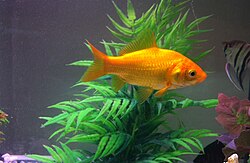
A beginner aquarium usually fails for one of three reasons: the tank is not cycled, the fish are incompatible, or water quality is not checked early enough. This fish care checklist keeps the important steps in one place so new keepers can make safer decisions.
In the print window, choose Save as PDF to download a PDF copy, or select a printer.
Before You Buy Fish
Many fish sold small become too large for beginner tanks. Check adult size before buying, especially for koi, oscars, plecos, goldfish, and angelfish.
Choose species that fit the aquarium you can maintain long term, not the smallest temporary size shown at a store.
Tropical fish usually need a heater. Betta fish, mollies, swordtails, danios, discus, and angelfish do not all want the same temperature range.
Compare temperament, adult size, swimming level, water hardness, pH, and group behavior. Peaceful fish can still be unsafe together if their needs differ.
Tank Setup Checklist
Small bowls change temperature and water chemistry quickly. Most fish are safer in a filtered, cycled tank.
A filter supports oxygen exchange and beneficial bacteria. Gentle sponge filters work well for many small beginner tanks.
Chlorine and chloramine can harm fish and bacteria. Always treat new water before it enters the aquarium.
Grow bacteria that convert ammonia to nitrite and nitrate. Test until ammonia and nitrite read 0 ppm before normal stocking.
Plants, caves, and visual breaks reduce stress, especially for bettas, livebearers, cichlids, and schooling fish.
Water Testing Checklist
| Parameter | Beginner target | Why it matters |
|---|---|---|
| Ammonia | 0 ppm | Toxic waste from fish and uneaten food. |
| Nitrite | 0 ppm | Toxic during cycling or filter crashes. |
| Nitrate | Usually below 20-40 ppm | Managed with water changes and plants. |
| Temperature | Species-specific | Cold stress and overheating both cause illness. |
| pH and hardness | Stable and species-appropriate | Mollies, discus, bettas, and koi have different preferences. |
Daily Fish Care Checklist
Look for gasping, hiding, clamped fins, flashing, bullying, or fish staying near the filter outlet.
Feed only what fish can eat in about two minutes. Remove uneaten food when possible.
Confirm the filter is running, heater is stable, and water surface has movement.
Missing fish, dead fish, or fry can affect water quality quickly in small tanks.
Weekly Maintenance Checklist
Testing shows whether your schedule is working and catches ammonia, nitrite, or nitrate problems early.
Many beginner tanks do well with weekly partial water changes. Match temperature and use conditioner.
Vacuum debris, wipe glass, and trim dead plants. Do not replace all filter media at once.
As fish grow, the aquarium may need more space, stronger filtration, or fewer tank mates.
Emergency Warning Signs
- Fish gasping at the surface or gathering near the filter outlet.
- Sudden lethargy, rolling, loss of balance, or rapid breathing.
- Ammonia or nitrite above 0 ppm.
- Cloudy water after overfeeding or a dead fish.
- Power outage in a warm, crowded, or heavily stocked tank.