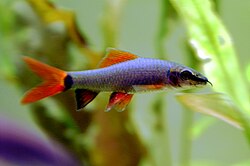
Swimming sideways in Rainbow Sharks, often due to swim bladder issues, is a serious condition that can lead to death if not addressed promptly. It's crucial to first assess the water quality and diet, as these are fundamental to the fish's health.
Rainbow Shark Swimming Sideways: Common Causes
Swim Bladder Disorder
Most LikelyInflammation or malformation of the swim bladder, often due to poor diet or water quality.
External Parasites
PossibleInfestations like ich or monogenetic trematodes can cause erratic swimming.
Poor Water Quality
Most LikelyHigh ammonia or nitrite levels can stress the fish, leading to swimming abnormalities.
Infection
PossibleBacterial or fungal infections can weaken the fish, making it difficult to maintain balance.
Stress
Less CommonTerritorial disputes or aggression can cause stress, leading to swimming irregularities.
How to Diagnose the Cause
Follow these steps in order. Stop when you identify a likely cause and move to treatment.
- Perform a visual inspection for external parasites or signs of infection.
Look for lumps, spots, or parasites on the fish.
- Check the water parameters for ammonia, nitrite, and nitrate levels.
Use a water testing kit to measure these parameters.
Recommended: Water testing kit - Assess the diet and feeding frequency.
Ensure the fish is receiving a balanced diet and is not overfed.
- Evaluate the tank's water quality, including temperature and pH.
Ensure the tank's conditions are within the recommended range for Rainbow Sharks.
- Observe the fish's behavior and interaction with tankmates.
Note any signs of stress or aggression.
How to Treat Rainbow Shark Swimming Sideways
- Improve water quality by changing 25% of the tank water daily.
Ensure water temperature is stable and within the optimal range.
- Administer appropriate medication for parasites or infections.
Follow the instructions provided with the medication.
- Adjust the diet to include easily digestible foods, like live or frozen foods, and reduce the amount of flake food.
Avoid feeding the fish too much at once.
- Provide a stress-free environment by removing aggressive tankmates or providing hiding spots.
Ensure the tank is well-decorated with plants and rocks.
- If swim bladder disorder is suspected, consider using swim bladder support supplements.
Follow the manufacturer's instructions for dosing.
How to Prevent Rainbow Shark Swimming Sideways
When to See a Vet
🔬 AI Symptom Checker
Not sure what's wrong? Describe your fish's symptoms to the FishCare AI and get an instant diagnosis.
Check Symptoms →Frequently Asked Questions
This guide was reviewed for biological accuracy and practical aquarium care guidance. Always test water parameters before treating a sick fish — poor water quality is the most common root cause. Consult an aquatic veterinarian if symptoms persist after 48 hours of correct treatment.
Sources: Merck Veterinary Manual — Aquarium Fishes · UF/IFAS Extension — Fish Health Management