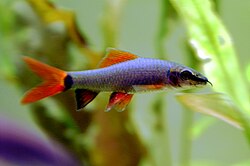
Spots on fins in Rainbow Sharks, Epalzeorhynchos frenatum, often indicate a serious health issue due to their territorial nature and sensitive immune systems. These spots can be a sign of ich, fin rot, or other infections, and prompt treatment is crucial. Owners should be aware that these spots can worsen rapidly and may lead to more severe health problems if not addressed immediately.
Rainbow Shark Spots on Fins: Common Causes
Ich (White Spot Disease)
Most LikelyCaused by the parasite Ichthyophthirius multifiliis, it results in pinpoint white spots on the fish's body and fins.
Fin Rot
Most LikelyCaused by bacteria, fin rot leads to the disintegration of the fin tissue, often with spots of velvet-like material.
Amoebic Gill Disease
PossibleCaused by the amoeba Acanthamoeba polyphaga, it affects the gills and can lead to spots on the fins.
Metabolic Disorders
PossibleIncluding malnutrition or hormonal imbalances, these can cause spots on the fins as a secondary symptom.
Stress or Trauma
Less CommonPhysical injuries or stress can lead to spots on the fins, often accompanied by other signs of stress.
How to Diagnose the Cause
Follow these steps in order. Stop when you identify a likely cause and move to treatment.
- Inspect the fish for additional symptoms such as loss of appetite, clamped fins, or erratic swimming.
This helps identify the severity and potential causes of the spots.
- Perform a water quality test to check for ammonia, nitrite, and nitrate levels.
Poor water quality can weaken the fish's immune system, making them more susceptible to infections.
Recommended: Water test kit - Observe the fish's behavior and diet, as stress or nutritional deficiencies can contribute to fin spots.
Changes in behavior or appetite can indicate underlying health issues.
- Conduct a physical examination of the fish's gills to rule out gill-related diseases.
This may require a magnifying glass or a gill scope.
Recommended: Gill scope or magnifying glass - Consult with a veterinarian experienced with aquarium fish to confirm the diagnosis and recommend treatment.
A vet can provide a more accurate diagnosis and specific treatment plan.
How to Treat Rainbow Shark Spots on Fins
- Increase the frequency of water changes to maintain water quality and reduce stress on the fish.
Water changes should be done in small increments to avoid shock.
- Administer appropriate medications, such as anti-parasitic or antibacterial treatments, as directed by a veterinarian.
Follow the vet's instructions carefully to avoid over-treatment.
- Ensure the fish is receiving a balanced diet rich in vitamins and minerals to support immune function.
Opt for high-quality, species-specific food.
- Reduce aggression and stress by providing ample hiding spots and avoiding overcrowding.
This helps prevent further injury and stress-related health issues.
- Monitor the fish's progress closely and adjust treatment as necessary.
Regular observations are key to successful recovery and prevention of recurrence.
How to Prevent Rainbow Shark Spots on Fins
When to See a Vet
🔬 AI Symptom Checker
Not sure what's wrong? Describe your fish's symptoms to the FishCare AI and get an instant diagnosis.
Check Symptoms →Frequently Asked Questions
This guide was reviewed for biological accuracy and practical aquarium care guidance. Always test water parameters before treating a sick fish — poor water quality is the most common root cause. Consult an aquatic veterinarian if symptoms persist after 48 hours of correct treatment.
Sources: Merck Veterinary Manual — Aquarium Fishes · UF/IFAS Extension — Fish Health Management