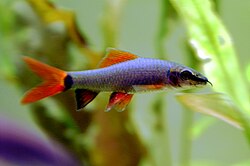
Rubbing against objects in Rainbow Sharks can be a sign of stress, disease, or poor water quality. This behavior can be distressing but often has simple solutions. As a territorial species, it's also common for them to exhibit this behavior due to their natural habitat. It's important to act quickly as chronic stress can lead to more serious health issues.
Rainbow Shark Rubbing Against Objects: Common Causes
Stress or Aggression
Most LikelyTerritorial behavior may lead to stress or aggression, causing them to rub against objects to assert dominance.
Poor Water Quality
Most LikelyAmmonia, nitrite, or nitrate levels above recommended limits can stress Rainbow Sharks, prompting them to rub against surfaces.
Skin Parasites
PossibleExternal parasites can irritate the fish, leading to scratching behavior.
Dietary Deficiencies
PossibleA lack of certain nutrients, such as fatty acids, can lead to skin issues.
Illness or Infection
Less CommonConditions like dropsy or fin rot can cause discomfort, resulting in rubbing behavior.
How to Diagnose the Cause
Follow these steps in order. Stop when you identify a likely cause and move to treatment.
- Perform a full water test
Check ammonia, nitrite, and nitrate levels to rule out water quality issues.
Recommended: Water test kit - Observe for signs of parasites or skin issues
Inspect the fish for external parasites or areas of redness or ulceration.
Recommended: Magnetic microscope - Examine diet and nutritional balance
Review the fish's diet to ensure it's balanced and meets nutritional needs.
- Consider the environment and tankmates
Check the tank's setup, decor, and other fish to assess if aggression is a factor.
- Perform a visual health check
Look for other signs of illness, such as bloating, loss of appetite, or fin damage.
How to Treat Rainbow Shark Rubbing Against Objects
- Improve water quality
Ensure the tank's filter is functioning properly, and perform regular water changes to reduce ammonia, nitrite, and nitrate levels.
- Remove any potential irritants
If parasites are present, use a recommended treatment and remove any rough surfaces or decor that could cause rubbing.
- Adjust the diet
Supplement the diet with high-quality foods and consider adding fatty acids or multivitamins if needed.
- Consider rehoming or reducing tankmates
If aggression is the issue, consider rehoming the fish or introducing tankmates more suitable to the Rainbow Shark's temperament.
- Seek veterinary assistance if needed
If symptoms persist, consult with a vet who specializes in aquatic species for a thorough examination and treatment plan.
How to Prevent Rainbow Shark Rubbing Against Objects
When to See a Vet
🔬 AI Symptom Checker
Not sure what's wrong? Describe your fish's symptoms to the FishCare AI and get an instant diagnosis.
Check Symptoms →Frequently Asked Questions
This guide was reviewed for biological accuracy and practical aquarium care guidance. Always test water parameters before treating a sick fish — poor water quality is the most common root cause. Consult an aquatic veterinarian if symptoms persist after 48 hours of correct treatment.
Sources: Merck Veterinary Manual — Aquarium Fishes · UF/IFAS Extension — Fish Health Management