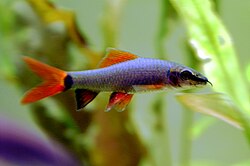
Red streaks on Rainbow Sharks are a serious sign of internal bleeding, often due to territorial aggression or poor water quality. Immediate action is crucial to prevent further health deterioration.
Rainbow Shark Red Streaks on Body: Common Causes
Territorial Aggression
Most LikelyIntraspecies aggression can lead to fin nipping and internal bleeding.
Poor Water Quality
Most LikelyAmmonia, nitrite, and nitrate spikes can cause internal hemorrhaging.
Infections
PossibleBacterial infections can weaken the skin, leading to red streaks.
Poor Diet
PossibleLack of proper nutrition can weaken the fish's immune system, making it susceptible to infections.
Genetic Factors
Less CommonSome individuals may be predisposed to internal bleeding due to genetic factors.
How to Diagnose the Cause
Follow these steps in order. Stop when you identify a likely cause and move to treatment.
- Observe the fish's behavior and appearance for other signs of stress or illness.
Look for signs of aggression, loss of appetite, or clamped fins.
- Test the water parameters for ammonia, nitrite, and nitrate levels.
Use a reliable water test kit to check these parameters.
Recommended: Water test kit - Inspect the fish for external injuries, such as fin nips or torn fins.
These injuries can be a sign of aggression or fighting.
- Perform a fin clip to collect a sample for bacterial culture or parasite identification.
This is done under anesthesia to minimize stress.
Recommended: Fin clip tool - Consult with a veterinarian specializing in fish health for a definitive diagnosis.
A vet can provide more advanced testing and treatment options.
How to Treat Rainbow Shark Red Streaks on Body
- Improve water quality by performing frequent water changes and ensuring proper filtration.
Change 30-50% of the tank water every 2-3 days.
- Administer anti-inflammatory and antibacterial medications as prescribed by a veterinarian.
Follow the vet's instructions for dosage and frequency.
- Remove any aggressive tankmates or adjust the tank layout to reduce stress.
Ensure the tank has ample hiding spots and territories.
- Provide a balanced diet rich in vitamins and minerals to support immune function.
Offer high-quality, varied foods such as pellets, flakes, and live or frozen foods.
- Monitor the fish closely for any signs of improvement or deterioration.
Regular observations are crucial for adjusting treatment as needed.
How to Prevent Rainbow Shark Red Streaks on Body
When to See a Vet
🔬 AI Symptom Checker
Not sure what's wrong? Describe your fish's symptoms to the FishCare AI and get an instant diagnosis.
Check Symptoms →Frequently Asked Questions
This guide was reviewed for biological accuracy and practical aquarium care guidance. Always test water parameters before treating a sick fish — poor water quality is the most common root cause. Consult an aquatic veterinarian if symptoms persist after 48 hours of correct treatment.
Sources: Merck Veterinary Manual — Aquarium Fishes · UF/IFAS Extension — Fish Health Management