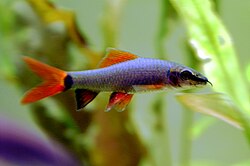
Rapid breathing in Rainbow Sharks, Epalzeorhynchos frenatum, is a critical sign of distress due to its territorial nature and reliance on proper water conditions. This condition can be severe and necessitates immediate attention. Owners must first understand the importance of maintaining stable water parameters and providing adequate space to prevent this behavior.
Rainbow Shark Rapid Breathing: Common Causes
Poor Water Quality
Most LikelyHigh levels of ammonia, nitrites, or nitrates can overwhelm the Rainbow Shark's gills, leading to rapid breathing.
Water Temperature Fluctuations
PossibleSudden changes in water temperature can stress the fish and cause increased respiration.
Inadequate Space
PossibleTerritorial Rainbow Sharks may become stressed due to overcrowding, leading to rapid breathing as a territorial response.
Poor Diet
Less CommonInsufficient or poor-quality food can lead to malnutrition, which may cause stress and rapid breathing.
Disease
Less CommonInfections or parasites can significantly impair the Rainbow Shark's respiratory system, resulting in rapid breathing.
How to Diagnose the Cause
Follow these steps in order. Stop when you identify a likely cause and move to treatment.
- Measure water parameters including ammonia, nitrites, nitrates, pH, and temperature.
Use a test kit to check these parameters.
Recommended: Water test kit - Observe the fish's environment for signs of stress or aggression.
Check for overcrowding, aggressive tank mates, or poor water quality.
- Inspect the fish for signs of injury or disease.
Look for lesions, fin rot, or other physical abnormalities.
- Consider the fish's diet and recent changes to its routine.
Ensure the fish is receiving a balanced diet and that there have been no recent stressors.
- Monitor the fish's behavior over time to assess any changes.
Keep a journal of the fish's activity and any changes in its behavior.
How to Treat Rainbow Shark Rapid Breathing
- Improve water quality by performing regular water changes (20-30% weekly).
Remove ammonia, nitrites, and nitrates from the water to reduce stress.
- Stabilize water temperature to 24-27°C, avoiding rapid fluctuations.
Use a reliable aquarium heater to maintain a consistent temperature.
- Ensure adequate space and reduce aggression by rehousing the fish or removing aggressive tank mates.
Provide a larger tank or rearrange the tank to reduce stress from territory disputes.
- Improve the diet by offering high-quality food and supplements.
Provide a balanced diet with varied foods to meet nutritional needs.
- Consult a veterinarian for medical treatment if the rapid breathing persists.
Medications or other treatments may be necessary to address underlying health issues.
How to Prevent Rainbow Shark Rapid Breathing
When to See a Vet
🔬 AI Symptom Checker
Not sure what's wrong? Describe your fish's symptoms to the FishCare AI and get an instant diagnosis.
Check Symptoms →Frequently Asked Questions
This guide was reviewed for biological accuracy and practical aquarium care guidance. Always test water parameters before treating a sick fish — poor water quality is the most common root cause. Consult an aquatic veterinarian if symptoms persist after 48 hours of correct treatment.
Sources: Merck Veterinary Manual — Aquarium Fishes · UF/IFAS Extension — Fish Health Management