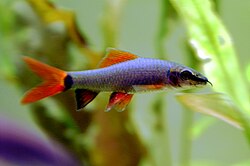
Excess mucus coating in Rainbow Sharks, caused by stress or infection, is a serious condition that can lead to secondary infections. It's critical to identify the underlying cause promptly to prevent further health complications. Owners should observe the fish's behavior, water quality, and diet.
Rainbow Shark Mucus Coating: Common Causes
Bacterial Infection
Most LikelyDue to poor water quality or injury, bacteria can cause a thick mucus layer.
Stress
Most LikelyTerritorial disputes or improper tank conditions can lead to stress and excessive mucus production.
Internal Parasites
PossibleParasites like Hexamita can cause internal irritation, leading to mucus buildup.
Poor Diet
PossibleLack of appropriate nutrition can weaken the immune system, making the fish more susceptible to infections.
Genetic Factors
Less CommonIn some cases, the mucus production may be due to genetic predispositions.
How to Diagnose the Cause
Follow these steps in order. Stop when you identify a likely cause and move to treatment.
- Observe the fish's behavior and appearance in the tank.
Check for signs of stress, aggression, or loss of appetite.
- Perform a visual inspection of the tank for any signs of injury or foreign objects.
Look for cuts or parasites that could be sources of infection.
- Test the water parameters for ammonia, nitrite, nitrate, pH, and temperature.
Ensure the water quality is within the optimal range for Rainbow Sharks.
Recommended: Water test kit - Take a sample of the mucus and examine it under a microscope for parasites or bacteria.
This can help identify the type of infection if present.
Recommended: Microscope - Conduct a physical examination of the fish to check for internal health issues.
A vet can perform this using a magnifying device or by performing a post-mortem examination if necessary.
Recommended: Magnifying glass or vet scope
How to Treat Rainbow Shark Mucus Coating
- Improve water quality by changing 25-50% of the tank water daily.
This helps to remove toxins and reduce stress on the fish.
- Administer appropriate antibiotics or antiparasitic medications as directed by a vet.
Follow the vet's instructions closely to avoid resistance and side effects.
- Remove any sources of stress from the tank, such as aggressive tank mates or overcrowding.
Ensure the tank has ample space and compatible tank mates.
- Adjust the diet to include high-quality, well-balanced food and avoid overfeeding.
A varied diet can boost the fish's immune system.
- Regularly monitor the fish's progress and report any changes to the vet.
This allows for timely adjustments to the treatment plan if needed.
How to Prevent Rainbow Shark Mucus Coating
When to See a Vet
🔬 AI Symptom Checker
Not sure what's wrong? Describe your fish's symptoms to the FishCare AI and get an instant diagnosis.
Check Symptoms →Frequently Asked Questions
This guide was reviewed for biological accuracy and practical aquarium care guidance. Always test water parameters before treating a sick fish — poor water quality is the most common root cause. Consult an aquatic veterinarian if symptoms persist after 48 hours of correct treatment.
Sources: Merck Veterinary Manual — Aquarium Fishes · UF/IFAS Extension — Fish Health Management