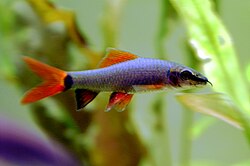
Jumping out of the tank is an emergency for Rainbow Sharks due to their territorial nature and vibrant fin coloration. It often indicates stress, injury, or illness. Immediate action is crucial to prevent injury or death. Owners should first assess the water parameters and tank conditions.
Rainbow Shark Jumping Out of Tank: Common Causes
Poor Water Quality
Most LikelyAmmonia or nitrite levels above 0.25 mg/L can stress and harm the Rainbow Shark.
Insufficient Oxygen
PossibleLow oxygen levels in the water can cause the Rainbow Shark to jump for air.
Inadequate Tank Size
PossibleA too-small tank can lead to territorial aggression and stress.
Poor Diet
Less CommonLack of nutrition can cause weakness and stress in the Rainbow Shark.
Tank Mates
Less CommonIncompatible tank mates can cause aggression and stress.
How to Diagnose the Cause
Follow these steps in order. Stop when you identify a likely cause and move to treatment.
- Test water parameters for ammonia, nitrite, nitrate, pH, and temperature.
Use a test kit or strips for accuracy.
Recommended: Water test kit - Observe the Rainbow Shark for signs of injury or illness, such as fin rot or bloating.
Inspect the fish carefully in a well-lit area.
- Check the tank size and ensure it provides ample space for swimming and territories.
Assess the dimensions and number of fish in the tank.
- Evaluate the diet and ensure it's balanced and nutritionally adequate.
Check the feeding schedule and the variety of foods provided.
- Inspect the tank for aggression from other fish or poor water circulation.
Look for signs of bullying or lack of flow in the filter.
How to Treat Rainbow Shark Jumping Out of Tank
- Improve water quality by changing 25% of the tank water weekly.
Ensure water is treated with a dechlorinator before use.
- Add an air stone or surface aerator to increase oxygen levels in the water.
This can help if the tank is not well aerated.
- Increase the tank size if necessary and introduce additional hiding spots.
Provide more territories to reduce aggression.
- Improve the diet with high-quality, varied foods rich in vitamins and minerals.
Consider adding supplements for additional nutrition.
- Remove or adjust the tank mates to reduce aggression and stress.
Ensure that all fish are compatible and well-behaved towards the Rainbow Shark.
How to Prevent Rainbow Shark Jumping Out of Tank
When to See a Vet
🔬 AI Symptom Checker
Not sure what's wrong? Describe your fish's symptoms to the FishCare AI and get an instant diagnosis.
Check Symptoms →Frequently Asked Questions
This guide was reviewed for biological accuracy and practical aquarium care guidance. Always test water parameters before treating a sick fish — poor water quality is the most common root cause. Consult an aquatic veterinarian if symptoms persist after 48 hours of correct treatment.
Sources: Merck Veterinary Manual — Aquarium Fishes · UF/IFAS Extension — Fish Health Management