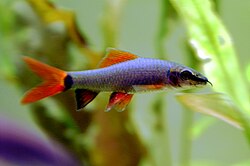
The Rainbow Shark gasping at the surface is a critical sign indicating potential oxygen deprivation or gill damage. This emergency situation can be life-threatening and requires immediate attention. Understanding the causes and prompt treatment is crucial for the survival of your fish.
Rainbow Shark Gasping at Surface: Common Causes
Low Oxygen Levels
Most LikelyInsufficient dissolved oxygen in the water due to poor aeration or overpopulation.
Gill Damage
Most LikelyPhysical injury or irritation to the gills, often from aggressive tankmates or poor water quality.
Water Quality Issues
PossibleHigh ammonia or nitrite levels can stress the fish, leading to gill damage and surface gasping.
Overheating
PossibleWater temperatures outside the optimal range can cause stress and impair respiration.
Poor Diet
Less CommonLack of a balanced diet can weaken the fish's immune system, making it more susceptible to stress and respiratory issues.
How to Diagnose the Cause
Follow these steps in order. Stop when you identify a likely cause and move to treatment.
- Measure the pH and temperature of the tank water
Ensure the water parameters are within the Rainbow Shark's optimal range.
Recommended: pH test kit, thermometer - Check the tank for signs of physical injury or aggression
Observe for fin nipping or any signs of trauma on the fish's body or gills.
- Test the water for ammonia and nitrite levels
High levels can indicate a breakdown in the nitrogen cycle and stress the fish.
Recommended: ammonia and nitrite test kit - Assess the overall water quality
Poor water quality can lead to a range of health issues, including respiratory distress.
- Observe the fish's diet and feeding habits
Ensure the Rainbow Shark is receiving a balanced and varied diet.
How to Treat Rainbow Shark Gasping at Surface
- Increase aeration or add an air stone to the tank
Enhance oxygen levels in the water to support the fish's respiration.
- Remove aggressive tankmates or provide more space if necessary
Prevent further injury and stress to the fish.
- Perform a water change (25% of the tank volume) and add an ammonia binder if needed
Improve water quality and reduce stress on the fish's gills.
- Administer an anti-parasitic or anti-fungal treatment if applicable
Address any external infections that may be contributing to the problem.
- Monitor the fish's behavior and recovery
Regularly observe the fish to ensure it is improving and adjust treatment as necessary.
How to Prevent Rainbow Shark Gasping at Surface
When to See a Vet
🔬 AI Symptom Checker
Not sure what's wrong? Describe your fish's symptoms to the FishCare AI and get an instant diagnosis.
Check Symptoms →Frequently Asked Questions
This guide was reviewed for biological accuracy and practical aquarium care guidance. Always test water parameters before treating a sick fish — poor water quality is the most common root cause. Consult an aquatic veterinarian if symptoms persist after 48 hours of correct treatment.
Sources: Merck Veterinary Manual — Aquarium Fishes · UF/IFAS Extension — Fish Health Management