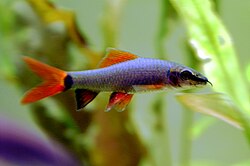
Clamped fins in Rainbow Sharks often result from stress, poor water quality, or injury. This condition can be serious if not addressed promptly, as it may lead to secondary infections. Owners should first ensure the tank conditions are optimal and monitor the fish for signs of improvement or worsening.
Rainbow Shark Clamped Fins: Common Causes
Poor Water Quality
Most LikelyHigh levels of ammonia, nitrite, or nitrate can stress the fish, causing fins to clamp.
Injury or Trauma
Most LikelyPhysical damage to the fins from tankmates or objects can cause immediate clamping.
Stress
PossibleTerritorial disputes or aggression among tankmates can lead to stress and fin clamping.
Disease
PossibleInfections, such as fin rot, can cause fin clamping as a secondary symptom.
Improper Diet
Less CommonLack of variety or improper nutrition can weaken the fish's immune system, making it more susceptible to stress-related issues.
How to Diagnose the Cause
Follow these steps in order. Stop when you identify a likely cause and move to treatment.
- Observe the fish's behavior and appearance.
Look for signs of injury, aggression, or changes in swimming patterns.
- Check the water parameters.
Use a test kit to measure ammonia, nitrite, nitrate, pH, and temperature.
Recommended: Water test kit - Inspect the tank for potential stressors.
Check for aggressive tankmates, sharp objects, or overcrowding.
- Evaluate the fish's diet.
Ensure it is receiving a balanced and varied diet rich in protein and vitamins.
- Consider any recent changes in the tank.
New tankmates, decorations, or water changes can stress the fish.
How to Treat Rainbow Shark Clamped Fins
- Improve water quality by performing regular water changes and treating for ammonia, nitrite, and nitrate.
Maintain a consistent water change schedule and ensure the tank is properly cycled.
- Remove any potential stressors from the tank.
Remove aggressive tankmates or alter the tank layout if necessary.
- Administer appropriate antibiotics if a bacterial infection is suspected.
Follow the vet's instructions for dosing and treatment duration.
- Provide a varied and balanced diet.
Offer a mix of commercial food, live or frozen foods, and vegetables.
- Monitor the fish's response to treatment and adjust accordingly.
Continue to observe for any signs of improvement or worsening of the condition.
How to Prevent Rainbow Shark Clamped Fins
When to See a Vet
🔬 AI Symptom Checker
Not sure what's wrong? Describe your fish's symptoms to the FishCare AI and get an instant diagnosis.
Check Symptoms →Frequently Asked Questions
This guide was reviewed for biological accuracy and practical aquarium care guidance. Always test water parameters before treating a sick fish — poor water quality is the most common root cause. Consult an aquatic veterinarian if symptoms persist after 48 hours of correct treatment.
Sources: Merck Veterinary Manual — Aquarium Fishes · UF/IFAS Extension — Fish Health Management