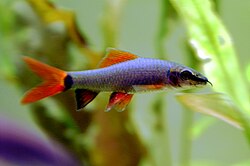
Black spots on Rainbow Sharks, also known as Epalzeorhynchos frenatum, often indicate stress or disease. These spots can be serious if left untreated, as they may lead to more severe health issues. Owners should first ensure that water parameters are optimal and the diet is balanced.
Rainbow Shark Black Spots: Common Causes
Poor Water Quality
Most LikelyHigh levels of ammonia, nitrites, or nitrates can stress Rainbow Sharks and lead to spots.
Poor Diet
PossibleLack of varied nutrition can weaken the Rainbow Shark's immune system, making it susceptible to spots.
Physical Trauma
PossibleInjuries from tank mates or decorations can cause spots, especially if the fish is unable to heal quickly.
Fungal Infections
Less CommonFungi thrive in unsanitary conditions and can cause spots if the fish is weakened.
Protozoan Infections
Less CommonProtozoans like Ich can cause spots and other symptoms, often in conjunction with other stressors.
How to Diagnose the Cause
Follow these steps in order. Stop when you identify a likely cause and move to treatment.
- Observe the fish's behavior and appearance for signs of stress or illness.
Look for any changes in finnage, appetite, or activity levels.
- Test the water parameters for ammonia, nitrites, nitrates, pH, and temperature.
Use a reliable water testing kit to ensure the environment is within the Rainbow Shark's optimal range.
Recommended: Water Testing Kit - Inspect the fish for any physical injuries or parasites.
Gently examine the fish for any cuts, abrasions, or signs of parasites.
- Evaluate the diet and consider adding more variety or supplements.
Ensure the Rainbow Shark is receiving a balanced diet with enough vitamins and minerals.
- Consider the tank setup and ensure it is suitable for the Rainbow Shark's territorial nature.
Provide adequate space and territories to reduce aggression and stress.
How to Treat Rainbow Shark Black Spots
- Improve water quality by carrying out regular water changes and ensuring efficient filtration.
Remove debris and uneaten food to maintain a clean tank environment.
- Treat the fish with an appropriate medication if a bacterial or fungal infection is suspected.
Follow the instructions on the medication and monitor the fish's response.
- Adjust the diet to include high-quality foods rich in omega-3 fatty acids and antioxidants.
These can help to boost the fish's immune system and promote healing.
- If physical trauma is the cause, provide a healing period with minimal stress.
Ensure the fish is not being bullied by tank mates and has a safe place to rest.
- Maintain a consistent routine and provide stress-reducing environments, such as territories and hiding spots.
This will help prevent future occurrences of black spots due to stress.
How to Prevent Rainbow Shark Black Spots
When to See a Vet
🔬 AI Symptom Checker
Not sure what's wrong? Describe your fish's symptoms to the FishCare AI and get an instant diagnosis.
Check Symptoms →Frequently Asked Questions
This guide was reviewed for biological accuracy and practical aquarium care guidance. Always test water parameters before treating a sick fish — poor water quality is the most common root cause. Consult an aquatic veterinarian if symptoms persist after 48 hours of correct treatment.
Sources: Merck Veterinary Manual — Aquarium Fishes · UF/IFAS Extension — Fish Health Management