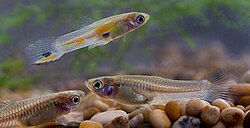
White spots on Guppies, caused by the Ichthyophthirius multifiliis parasite, are a serious and urgent issue. This disease can rapidly spread and lead to fish death if not treated promptly. Guppy owners should be aware that Ich is highly contagious and can affect their entire tank population.
Guppy White Spots (Ich): Common Causes
Poor Water Quality
Most LikelyHigh ammonia or nitrite levels can weaken Guppies, making them more susceptible to Ich.
New Tank Syndrome
Most LikelyNewly established tanks may lack the beneficial bacteria needed to maintain optimal water quality, increasing the risk of Ich.
Stress
PossibleStress from overcrowding, aggression, or rapid temperature changes can weaken Guppies, facilitating Ich infection.
Poor Diet
PossibleInadequate nutrition can weaken Guppies' immune systems, making them more prone to Ich.
External Sources
Less CommonIch can be introduced to the tank through new fish, decorations, or water changes with infected water.
How to Diagnose the Cause
Follow these steps in order. Stop when you identify a likely cause and move to treatment.
- Observe the fish for the characteristic white spots on the body and fins.
Look for salt-grain-like spots that do not move with the water current.
- Check the water parameters for ammonia, nitrite, and nitrate levels.
Ensure the water quality is within the optimal range for Guppies.
Recommended: Water test kit - Inspect the tank for signs of stress or aggression.
Identify any factors that might have caused the Guppies to become stressed.
- Consider the tank's history, including recent introductions or water changes.
Recall any events that might have introduced Ich to the tank.
- Consult with a vet or experienced aquarist if the diagnosis is uncertain.
A professional can provide additional insights and confirm the diagnosis.
How to Treat Guppy White Spots (Ich)
- Perform a 25% water change to remove the free-living stages of the parasite.
Use dechlorinated water to avoid harming the Guppies.
- Add an ichthyophthirius-specific treatment to the tank, following the manufacturer's instructions.
Use a product approved for use with Guppies and freshwater tanks.
- Continue water changes every 24-48 hours, ensuring the water quality remains optimal.
Monitor the Guppies' response to the treatment and adjust the frequency of water changes accordingly.
- Increase the tank temperature to 28-30°C to help control the parasite's lifecycle.
Be cautious with temperature changes to avoid stress on the Guppies.
- Separate any sick Guppies from the rest of the tank to prevent the spread of the disease.
Isolate them in a separate, treated tank with similar water conditions.
How to Prevent Guppy White Spots (Ich)
When to See a Vet
🔬 AI Symptom Checker
Not sure what's wrong? Describe your fish's symptoms to the FishCare AI and get an instant diagnosis.
Check Symptoms →Frequently Asked Questions
This guide was reviewed for biological accuracy and practical aquarium care guidance. Always test water parameters before treating a sick fish — poor water quality is the most common root cause. Consult an aquatic veterinarian if symptoms persist after 48 hours of correct treatment.
Sources: Merck Veterinary Manual — Aquarium Fishes · UF/IFAS Extension — Fish Health Management