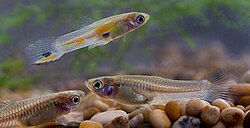
Fuzzy white growth on Guppies, known as Ichthyophthirius multifiliis, is a common and serious disease. It affects the skin, fins, and mouth, causing distress and can lead to secondary infections. Owners should be aware that prompt treatment is crucial to prevent spread and severe health issues.
Guppy Fuzzy Growth: Common Causes
Poor Water Quality
Most LikelyAmmonia and nitrite levels can suppress the immune system, making Guppies more susceptible to fungal infections.
Stress
Most LikelyStress can weaken Guppies' immune systems, making them more prone to fungal infections like Ichthyophthirius multifiliis.
Crowded Tanks
Most LikelyOvercrowding can lead to poor water quality and increased stress, creating a favorable environment for fungal growth.
New Tank Syndrome
PossibleNew tanks may have imbalanced bacterial populations, leading to poor water quality and increased disease risk.
Poor Diet
Less CommonA diet lacking in essential nutrients can weaken Guppies' immune systems, making them more susceptible to infections.
How to Diagnose the Cause
Follow these steps in order. Stop when you identify a likely cause and move to treatment.
- Observe the fish for cotton-like white or grey growth on the body, mouth, or fins.
Look for characteristic symptoms of Ichthyophthirius multifiliis.
- Check water parameters for ammonia, nitrite, and nitrate levels.
Use a test kit to ensure the water quality is within the optimal range for Guppies.
Recommended: Water test kit - Assess the tank environment for overcrowding and stress factors.
Ensure the tank is well-maintained and the Guppies are not being harassed or overstocked.
- Consider the diet and overall health of the Guppies.
Ensure the Guppies are receiving a balanced diet and are not showing signs of other health issues.
- Consult with a veterinarian specializing in fish health for a definitive diagnosis and treatment plan.
A vet can provide professional advice and may perform additional tests if necessary.
How to Treat Guppy Fuzzy Growth
- Increase the temperature of the tank to 28.0°C to slow the growth of the fungus.
This is a common treatment method for Ichthyophthirius multifiliis.
- Perform regular water changes, removing 20-30% of the water daily, to maintain water quality.
This helps to keep ammonia and nitrite levels low and provides a healthier environment for the Guppies.
- Use an anti-fungal treatment specifically designed for Ichthyophthirius multifiliis, following the manufacturer's instructions.
This may involve adding a medication to the water or using dips for affected fish.
- Isolate the affected Guppies to prevent the spread of the disease to other fish.
Use a separate tank with the same water parameters as the main tank.
- Monitor the Guppies closely during treatment and provide additional support as needed, such as improved diet and stress reduction measures.
This may include providing hiding spots and reducing tank noise and light levels.
How to Prevent Guppy Fuzzy Growth
When to See a Vet
🔬 AI Symptom Checker
Not sure what's wrong? Describe your fish's symptoms to the FishCare AI and get an instant diagnosis.
Check Symptoms →Frequently Asked Questions
This guide was reviewed for biological accuracy and practical aquarium care guidance. Always test water parameters before treating a sick fish — poor water quality is the most common root cause. Consult an aquatic veterinarian if symptoms persist after 48 hours of correct treatment.
Sources: Merck Veterinary Manual — Aquarium Fishes · UF/IFAS Extension — Fish Health Management