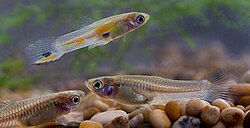
Guppies may cough or spit due to stress or poor water quality, which can be serious if not addressed promptly. Owners should first ensure proper water parameters and diet are maintained. Coughing or spitting can indicate a more severe issue that may require veterinary attention.
Guppy Coughing or Spitting: Common Causes
Poor Water Quality
Most LikelyHigh levels of ammonia, nitrite, or nitrate can cause stress and lead to coughing or spitting.
Dietary Issues
PossibleOverfeeding or feeding the wrong type of food can cause digestive upset and lead to spitting out food.
Infection or Parasites
PossibleBacterial infections or parasites can cause respiratory distress, resulting in coughing or spitting.
Stress
PossibleStress from overcrowding, poor water quality, or changes in the environment can trigger coughing or spitting.
Poor Health
Less CommonUnderlying health conditions such as swim bladder disorders can also cause coughing or spitting.
How to Diagnose the Cause
Follow these steps in order. Stop when you identify a likely cause and move to treatment.
- Check water parameters for ammonia, nitrite, and nitrate levels.
Use a water test kit to measure these levels.
Recommended: Water test kit - Inspect the fish for signs of infection, such as ulcers or slime coating.
Use a magnifying glass if necessary.
- Observe the fish's behavior and diet to identify any stressors or dietary issues.
Note changes in swimming patterns or feeding habits.
- Consider the fish's age and any recent changes in the aquarium environment.
Older fish may be more susceptible to stress and health issues.
- Consult a veterinary resource for more specific diagnostic advice if needed.
This may include a physical examination or additional tests.
How to Treat Guppy Coughing or Spitting
- Improve water quality by performing regular water changes and using an ammonia detoxifier.
Change 20-30% of the water every week.
- Adjust the diet to include high-quality, properly sized food and limit feeding frequency.
Avoid overfeeding and offer a variety of fresh vegetables.
- If infection is suspected, treat the aquarium with appropriate medication.
Follow the instructions on the medication carefully.
- Reduce stress by providing ample space, removing aggressive tankmates, and maintaining a stable environment.
Ensure the tank has hiding spots and visual barriers.
- Monitor the fish closely for any improvement and consult a vet if symptoms persist.
Keep a close eye on the fish's response to the treatment.
How to Prevent Guppy Coughing or Spitting
When to See a Vet
🔬 AI Symptom Checker
Not sure what's wrong? Describe your fish's symptoms to the FishCare AI and get an instant diagnosis.
Check Symptoms →Frequently Asked Questions
This guide was reviewed for biological accuracy and practical aquarium care guidance. Always test water parameters before treating a sick fish — poor water quality is the most common root cause. Consult an aquatic veterinarian if symptoms persist after 48 hours of correct treatment.
Sources: Merck Veterinary Manual — Aquarium Fishes · UF/IFAS Extension — Fish Health Management