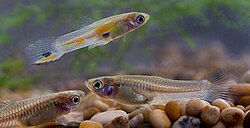
Black spots on Guppies can indicate a variety of issues, ranging from stress to infections. It's crucial to address these promptly as they can lead to more severe health problems. Owners should first check water parameters and recent changes in the tank.
Guppy Black Spots: Common Causes
Poor Water Quality
Most LikelyHigh ammonia or nitrite levels can stress the fish and lead to spots.
Bacterial Infections
Most LikelyBacteria such as Columnaris can cause black spots and is highly contagious.
Internal Parasites
PossibleParasites like Ich or Oodinium can cause spots and internal damage.
Stress
PossibleStress due to tank overcrowding, poor water quality, or changes in environment can trigger spots.
Poor Diet
Less CommonDeficiencies in the diet can weaken the fish's immune system, making them susceptible to spots.
How to Diagnose the Cause
Follow these steps in order. Stop when you identify a likely cause and move to treatment.
- Check water parameters
Test for ammonia, nitrite, nitrate, pH, and temperature. Ensure they are within the optimal range for Guppies.
Recommended: Water test kit - Inspect the tank environment
Look for signs of aggression, overcrowding, or recent changes that might stress the fish.
- Observe the fish's behavior
Note any changes in swimming patterns, appetite, or interaction with tankmates.
- Gather information on recent tank changes
Identify any recent changes in diet, water quality, or tank mates that might have stressed the fish.
- Consult a vet if unsure
If the cause is unclear, a veterinarian can provide a definitive diagnosis.
How to Treat Guppy Black Spots
- Improve water quality
Perform regular water changes and treat the tank with appropriate water conditioners to remove harmful substances.
- Administer antibiotics
If a bacterial infection is present, use a vet-recommended antibiotic treatment for the fish and possibly the tank water.
- Parasite treatment
For parasitic infections, use a vet-recommended treatment, such as a formalin or malachite green bath, following the instructions carefully.
- Reduce stress
Ensure the tank is well-maintained, provide hiding spots, and reduce aggression among tankmates.
- Improve diet
Feed a balanced and varied diet to support the fish's immune system and overall health.
How to Prevent Guppy Black Spots
When to See a Vet
🔬 AI Symptom Checker
Not sure what's wrong? Describe your fish's symptoms to the FishCare AI and get an instant diagnosis.
Check Symptoms →Frequently Asked Questions
This guide was reviewed for biological accuracy and practical aquarium care guidance. Always test water parameters before treating a sick fish — poor water quality is the most common root cause. Consult an aquatic veterinarian if symptoms persist after 48 hours of correct treatment.
Sources: Merck Veterinary Manual — Aquarium Fishes · UF/IFAS Extension — Fish Health Management