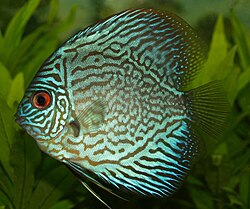
Torn or ragged fins in Discus are often a sign of stress, fin rot, or poor water quality, which can lead to serious health issues if not addressed promptly. These fish are highly sensitive to their environment and require a stable, stress-free environment to thrive. Owners should be aware that immediate action is needed to prevent further damage and illness.
Discus Torn Fins: Common Causes
Poor Water Quality
Most LikelyHigh levels of ammonia, nitrites, or nitrates can stress Discus and weaken their fins.
Poor Diet
PossibleInadequate nutrition can lead to weakened fins, making them more susceptible to damage.
Fin Nipping
PossibleDiscus are social fish that may nip at each other's fins, especially if they are not kept in a group or if the tank is overcrowded.
Bacterial Infections
PossibleFin rot can be caused by bacteria, often due to poor water conditions or existing wounds.
Environmental Stress
Less CommonSudden changes in water parameters, temperature, or tank conditions can stress Discus and lead to fin damage.
How to Diagnose the Cause
Follow these steps in order. Stop when you identify a likely cause and move to treatment.
- Check the water parameters for ammonia, nitrites, and nitrates.
Use a reliable test kit to measure these levels.
Recommended: Water test kit - Inspect the tank for any signs of aggression or bullying among the fish.
Observe the fish's behavior and interactions with other tank mates.
- Evaluate the fish's diet to ensure it is balanced and varied.
Discus require a diet rich in proteins and vitamins, ideally including live or frozen foods.
- Look for any external signs of injury or disease.
Check for any punctures or wounds on the fish's body.
- Assess the overall health and vitality of the fish.
Observe the fish's color, appetite, and activity levels.
How to Treat Discus Torn Fins
- Perform regular water changes to improve water quality.
Replace 20-30% of the tank water weekly.
- Consider adding a water conditioner to neutralize heavy metals and improve water quality.
Follow the manufacturer's instructions for dosage.
- If fin nipping is an issue, rearrange the tank to provide more hiding spots or consider using a divider to separate the fish.
Ensure the tank is large enough for the fish to swim around comfortably.
- Treat for fin rot with an appropriate medication, following the vet's instructions.
Use a medication that is safe for freshwater fish and compatible with your tank's conditions.
- Monitor the fish's diet and consider adding supplements if necessary.
Ensure the fish is receiving a balanced diet rich in essential nutrients.
How to Prevent Discus Torn Fins
When to See a Vet
🔬 AI Symptom Checker
Not sure what's wrong? Describe your fish's symptoms to the FishCare AI and get an instant diagnosis.
Check Symptoms →Frequently Asked Questions
This guide was reviewed for biological accuracy and practical aquarium care guidance. Always test water parameters before treating a sick fish — poor water quality is the most common root cause. Consult an aquatic veterinarian if symptoms persist after 48 hours of correct treatment.
Sources: Merck Veterinary Manual — Aquarium Fishes · UF/IFAS Extension — Fish Health Management