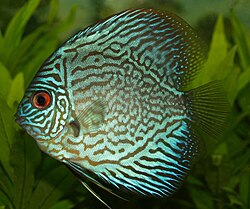
Sunken belly in Discus, or Symphysodon aequifasciatus, is a serious health issue indicating malnutrition, internal parasites, or bacterial infections. This condition can rapidly lead to emaciation and is often fatal if not addressed promptly. It's crucial to act quickly and seek veterinary advice.
Discus Sunken Belly: Common Causes
Malnutrition
Most LikelyInadequate diet or poor water quality can lead to nutrient deficiencies.
Internal Parasites
Most LikelyParasites like Capillaria and Hexamita can cause internal damage and malabsorption.
Bacterial Infections
PossibleInfections from Aeromonas and Pseudomonas can lead to internal inflammation and weight loss.
Bloat
Less CommonOverfeeding or poor digestion can cause bloating which may mimic a sunken belly.
Metabolic Disorders
Less CommonDisorders like hyperparathyroidism can affect nutrient absorption and lead to weight loss.
How to Diagnose the Cause
Follow these steps in order. Stop when you identify a likely cause and move to treatment.
- Observe the fish's behavior and appearance for other signs of illness.
Look for redness, bloating, or clamped fins.
- Check water parameters for pH, ammonia, nitrites, and nitrates.
Ensure the water quality is within the optimal range for Discus.
Recommended: pH test kit, ammonia test kit, nitrite test kit, nitrate test kit - Perform a fecal float to check for internal parasites.
This can help identify parasites like Capillaria or Hexamita.
Recommended: Parasite float medium - Conduct a water quality test for bacterial contamination.
Use a bacterial test kit to detect Aeromonas or Pseudomonas.
Recommended: Bacterial test kit - If needed, take a fin clip for further examination.
This can provide more information about the fish's health.
Recommended: Fin clipper
How to Treat Discus Sunken Belly
- Improve water quality by increasing aeration and performing water changes.
Water changes should be 30-50% every 2-3 days.
- Adjust the diet to ensure it's balanced and rich in vitamins and minerals.
Use a high-quality Discus-specific diet and supplements.
- Administer appropriate medication for identified parasites or bacterial infections.
Follow the vet's instructions for medication dosage and duration.
- Isolate the affected fish to prevent spread of infection to others.
Keep the isolation tank at the same parameters as the main tank.
- Monitor the fish's progress and provide supportive care as needed.
This may include providing additional protein sources or hospital tanks for severe cases.
How to Prevent Discus Sunken Belly
When to See a Vet
🔬 AI Symptom Checker
Not sure what's wrong? Describe your fish's symptoms to the FishCare AI and get an instant diagnosis.
Check Symptoms →Frequently Asked Questions
This guide was reviewed for biological accuracy and practical aquarium care guidance. Always test water parameters before treating a sick fish — poor water quality is the most common root cause. Consult an aquatic veterinarian if symptoms persist after 48 hours of correct treatment.
Sources: Merck Veterinary Manual — Aquarium Fishes · UF/IFAS Extension — Fish Health Management