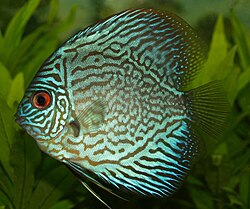
Spots on fins in Discus can be a sign of a serious internal infection, fin rot, or parasitic infestation. Immediate attention is crucial as it can lead to systemic illness. Owners should closely monitor water quality and behavior changes.
Discus Spots on Fins: Common Causes
Bacterial Infection
Most LikelyGram-negative bacteria can cause spots on fins due to poor water quality or stress.
Parasitic Infestation
Most LikelyIch or velvet can cause spots as they burrow into the fin tissue.
Fin Rot
PossiblePoor water quality or over-feeding can lead to fin rot, which manifests as spots on fins.
Stress
PossibleStress can weaken the immune system, making Discus more susceptible to infections.
Environmental Changes
Less CommonSudden changes in water parameters can cause stress and lead to spots on fins.
How to Diagnose the Cause
Follow these steps in order. Stop when you identify a likely cause and move to treatment.
- Observe the affected fins for color changes, shape, and movement.
Check for redness, ulceration, or clumping of mucus.
- Test the water quality for ammonia, nitrite, and nitrate levels.
Ensure they are within the optimal range for Discus.
Recommended: Water test kit - Check for visible parasites using a magnifying glass or microscope.
Look for Ich or velvet spots.
Recommended: Magnifying glass - Assess the fish's behavior and overall health.
Look for signs of stress or aggression.
- Perform a fin and scale clip to examine for internal abnormalities.
This can reveal underlying issues.
Recommended: Fin and scale clipper
How to Treat Discus Spots on Fins
- Improve water quality by increasing water changes and adjusting pH and temperature if necessary.
Keep the tank clean and avoid using harsh chemicals.
- Administer appropriate antibiotics if a bacterial infection is confirmed.
Follow the dosage and treatment duration as directed by a vet.
- Use anti-parasitic treatments if a parasitic infestation is identified.
Follow the treatment instructions carefully.
- Isolate the affected fish to prevent the spread of infection to others.
Use a separate tank with the same water parameters.
- Support the fish's immune system with a balanced diet and stress-reducing measures.
Ensure a varied diet rich in vitamins and minerals.
How to Prevent Discus Spots on Fins
When to See a Vet
🔬 AI Symptom Checker
Not sure what's wrong? Describe your fish's symptoms to the FishCare AI and get an instant diagnosis.
Check Symptoms →Frequently Asked Questions
This guide was reviewed for biological accuracy and practical aquarium care guidance. Always test water parameters before treating a sick fish — poor water quality is the most common root cause. Consult an aquatic veterinarian if symptoms persist after 48 hours of correct treatment.
Sources: Merck Veterinary Manual — Aquarium Fishes · UF/IFAS Extension — Fish Health Management