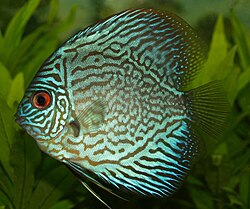
Red streaks on Discus are often a sign of a serious internal issue, such as internal parasites or bacterial infections, which can be fatal if not treated promptly. Owners should be aware of the urgency and take immediate action.
Discus Red Streaks on Body: Common Causes
Internal Parasites
Most LikelyParasites like Capillaria and Hexamita can cause internal bleeding leading to red streaks.
Bacterial Infections
Most LikelyBacteria like Aeromonas and Pseudomonas can lead to septicemia, causing red streaks.
Poor Water Quality
PossibleAmmonia and nitrite spikes can stress the fish, leading to internal bleeding.
Inadequate Diet
PossibleMalnutrition can weaken the immune system, making Discus more susceptible to infections.
Stress
Less CommonPhysical stress from handling or tankmates can cause internal hemorrhages.
How to Diagnose the Cause
Follow these steps in order. Stop when you identify a likely cause and move to treatment.
- Observe the fish for other symptoms such as loss of appetite, clamped fins, or gasping at the surface.
This can help identify the severity and potential causes.
- Perform a thorough visual inspection of the fish, looking for red streaks or blotches.
These may be visible on the body or fins.
- Check the water parameters for ammonia, nitrite, and nitrate levels.
Abnormal levels can indicate poor water quality.
Recommended: test kit - Inspect the tank for signs of stress, such as aggressive tankmates or inadequate tank size.
Stress can exacerbate health issues.
- Consider recent changes in the fish's diet or environment that may have caused stress.
This can provide clues to the underlying cause.
How to Treat Discus Red Streaks on Body
- Increase the water changes to maintain optimal water quality and remove toxins.
This can help alleviate stress and reduce the risk of infection.
- Administer appropriate medication, such as metronidazole or antibiotics, as prescribed by a vet.
Follow the vet's instructions carefully for dosage and duration.
- Ensure the fish is kept in a stress-free environment, with proper tank size and tankmates.
Stress can weaken the immune system and prolong recovery.
- Monitor the fish's diet, providing a balanced and nutritious diet to support immune function.
This can help the fish fight off infection and recover more quickly.
- Regularly check the fish for signs of improvement and consult with a vet if the condition worsens or does not improve within a few days.
Early intervention is crucial for a successful recovery.
How to Prevent Discus Red Streaks on Body
When to See a Vet
🔬 AI Symptom Checker
Not sure what's wrong? Describe your fish's symptoms to the FishCare AI and get an instant diagnosis.
Check Symptoms →Frequently Asked Questions
This guide was reviewed for biological accuracy and practical aquarium care guidance. Always test water parameters before treating a sick fish — poor water quality is the most common root cause. Consult an aquatic veterinarian if symptoms persist after 48 hours of correct treatment.
Sources: Merck Veterinary Manual — Aquarium Fishes · UF/IFAS Extension — Fish Health Management