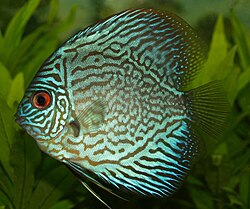
Excess mucus coating in Discus is a critical sign of stress or illness, often indicating a serious health issue. It can lead to secondary infections and is a strong indication to take immediate action. Owners must closely monitor water quality, stress factors, and consider professional veterinary advice.
Discus Mucus Coating: Common Causes
Poor Water Quality
Most LikelyHigh levels of ammonia, nitrite, or nitrate can overwhelm the fish's immune system.
Dietary Issues
Most LikelyInadequate diet or overfeeding can lead to malnutrition and weaken the immune system.
Water Temperature Fluctuations
Most LikelySudden or significant changes in water temperature can stress the fish and lead to mucus overproduction.
Bacterial Infections
PossiblePathogens like Aeromonas and Pseudomonas can cause mucus buildup as a response to infection.
Parasitic Infections
Less CommonProtists like Ichthyophthirius may cause mucus coating as part of their life cycle.
How to Diagnose the Cause
Follow these steps in order. Stop when you identify a likely cause and move to treatment.
- Examine the water parameters
Test ammonia, nitrite, nitrate, pH, and temperature to ensure they are within the optimal range for Discus.
Recommended: Water test kit - Observe behavior and appearance
Look for signs of other diseases or stress, such as loss of appetite, clamped fins, or bloating.
- Perform a physical examination
Inspect the fish for any external signs of injury, parasites, or internal disorders.
- Consider the tank environment
Assess tank cleanliness, presence of tankmates, and overall stress factors.
- Consult a vet
If unsure, seek advice from a veterinarian experienced with fish health.
How to Treat Discus Mucus Coating
- Improve water quality
Change water regularly, maintain optimal temperature and pH, and ensure ammonia and nitrite levels are zero.
- Adjust diet
Feeding a balanced, varied diet and reducing feedings if overfeeding is suspected.
- Treat with antibiotics
For bacterial infections, use an appropriate antibiotic treatment as directed by a vet.
- Treat with anti-parasitic medication
For parasitic infections, use a vet-recommended medication to target the specific parasite.
- Supportive care
Isolate the affected fish if necessary, provide a stress-free environment, and offer medical foods if available.
How to Prevent Discus Mucus Coating
When to See a Vet
🔬 AI Symptom Checker
Not sure what's wrong? Describe your fish's symptoms to the FishCare AI and get an instant diagnosis.
Check Symptoms →Frequently Asked Questions
This guide was reviewed for biological accuracy and practical aquarium care guidance. Always test water parameters before treating a sick fish — poor water quality is the most common root cause. Consult an aquatic veterinarian if symptoms persist after 48 hours of correct treatment.
Sources: Merck Veterinary Manual — Aquarium Fishes · UF/IFAS Extension — Fish Health Management