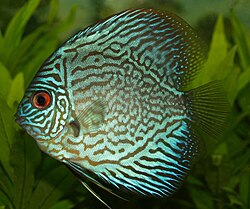
Discus are sensitive to environmental changes, and hiding constantly may indicate stress. This behavior can be a sign of serious health issues, so prompt attention is crucial. Owners should first rule out basic care errors before seeking professional help.
Discus Hiding Constantly: Common Causes
Poor Water Quality
Most LikelyAmmonia, nitrite, and nitrate levels can be toxic to Discus.
Temperature Fluctuations
Most LikelyStress can occur if the tank temperature is outside the optimal range of 28.0–31.0°C.
pH Imbalance
Most LikelyDiscus prefer a pH between 5.5–7.0; deviations can cause stress and hiding behavior.
Insufficient Space
PossibleDiscus need room to swim; overcrowding can lead to hiding as a stress response.
Poor Diet
Less CommonAn unbalanced diet can cause health issues, leading to stress and hiding.
How to Diagnose the Cause
Follow these steps in order. Stop when you identify a likely cause and move to treatment.
- Check water parameters for ammonia, nitrite, nitrate, pH, and temperature.
Use a test kit to ensure the water quality meets Discus requirements.
Recommended: Water test kit - Observe the fish's appearance for signs of disease or injury.
Look for any lesions, spots, or changes in color that might indicate a health issue.
- Evaluate the tank setup, including tank size, decor, and swimming space.
Ensure the tank is large enough and the decor provides adequate cover but not too many hiding spots.
- Assess the diet for variety and nutritional balance.
Discus require a varied diet including flakes, pellets, and live or frozen foods.
- Check for signs of aggression or bullying among tankmates.
Aggressive behavior can cause stress and hiding, especially if the fish is the target.
How to Treat Discus Hiding Constantly
- Improve water quality by regular water changes and using a water conditioner to remove toxins.
- Adjust the tank temperature to the optimal range of 28.0–31.0°C if it's outside this range.
- Ensure the pH is within the Discus preferred range of 5.5–7.0, possibly using a pH buffer if necessary.
- Provide a balanced diet with a variety of high-quality foods and consider adding a vitamin supplement for stressed fish.
- Reevaluate the tank setup and remove any aggressive tankmates or provide more space if overcrowding is an issue.
How to Prevent Discus Hiding Constantly
When to See a Vet
🔬 AI Symptom Checker
Not sure what's wrong? Describe your fish's symptoms to the FishCare AI and get an instant diagnosis.
Check Symptoms →Frequently Asked Questions
This guide was reviewed for biological accuracy and practical aquarium care guidance. Always test water parameters before treating a sick fish — poor water quality is the most common root cause. Consult an aquatic veterinarian if symptoms persist after 48 hours of correct treatment.
Sources: Merck Veterinary Manual — Aquarium Fishes · UF/IFAS Extension — Fish Health Management