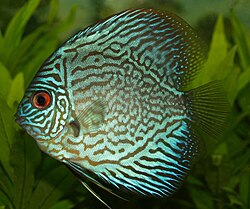
Gasping at the surface in Discus can be a critical sign of oxygen deprivation or gill damage, often due to water quality issues or disease. This behavior indicates an emergency situation, as it can lead to rapid deterioration of the fish's health. Owners must understand the urgency and act promptly to address the underlying cause.
Discus Gasping at Surface: Common Causes
Poor Water Quality
Most LikelyHigh ammonia or nitrite levels can stress the fish and impair their gills.
Low Oxygen Levels
Most LikelyInsufficient dissolved oxygen in the water, possibly due to overstocking or inadequate aeration.
Disease
Most LikelyInfections like ich or fin rot can lead to gill damage and surface gasping.
Stress
PossibleStressful conditions such as temperature fluctuations or aggression can cause the fish to surface for air.
Water Parameters
Less CommonExtremes in pH or temperature can also lead to gill irritation and gasping.
How to Diagnose the Cause
Follow these steps in order. Stop when you identify a likely cause and move to treatment.
- Check the water parameters
Measure ammonia, nitrite, nitrate, pH, and temperature levels.
Recommended: test kit - Inspect the fish's gills
Look for signs of injury, such as swelling or discoloration.
- Observe overall health
Check for other signs of illness, such as lesions or abnormal swimming patterns.
- Review recent changes
Consider any recent changes in the aquarium, like new fish, medication, or water changes.
- Consult a vet
If unsure, a professional can provide a definitive diagnosis and treatment plan.
How to Treat Discus Gasping at Surface
- Improve water quality
Perform a water change and treat with an ammonia and nitrite remover if necessary.
- Increase aeration
Add more surface agitation or use an air pump to increase oxygen levels.
- Treat for disease
If a disease is suspected, use appropriate medications as directed by a vet.
- Stabilize water parameters
Adjust pH and temperature to the optimal range for Discus (5.5–7.0 pH, 28.0–31.0°C).
- Manage stress
Remove stressors, such as aggressive tankmates, and ensure a suitable environment for the fish.
How to Prevent Discus Gasping at Surface
When to See a Vet
🔬 AI Symptom Checker
Not sure what's wrong? Describe your fish's symptoms to the FishCare AI and get an instant diagnosis.
Check Symptoms →Frequently Asked Questions
This guide was reviewed for biological accuracy and practical aquarium care guidance. Always test water parameters before treating a sick fish — poor water quality is the most common root cause. Consult an aquatic veterinarian if symptoms persist after 48 hours of correct treatment.
Sources: Merck Veterinary Manual — Aquarium Fishes · UF/IFAS Extension — Fish Health Management