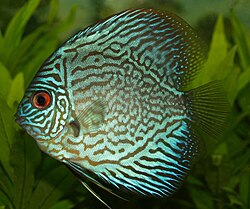
Fuzzy white growth on Discus is a fungal infection caused by stress, poor water quality, and overcrowding. This condition is serious as it can lead to severe health issues. Owners must understand that timely intervention is crucial.
Discus Fuzzy Growth: Common Causes
Poor Water Quality
Most LikelyHigh levels of ammonia, nitrites, or nitrates can stress the fish, leading to fungal growth.
Low Water Temperature
PossibleTemperature fluctuations or being below the optimal range can weaken the immune system, making the fish more susceptible to fungi.
Overcrowding
Most LikelyHigh fish density in the tank increases competition for resources and the risk of fungal transmission.
Poor Diet
PossibleInadequate nutrition can weaken the immune system, making the fish vulnerable to fungal infections.
Intestinal Issues
Less CommonFungal spores may be ingested and grow if the fish has intestinal problems, such as bloating or constipation.
How to Diagnose the Cause
Follow these steps in order. Stop when you identify a likely cause and move to treatment.
- Inspect the fish for cotton-like white or grey fungal growth on the body, mouth, or fins.
Check the affected areas for a fuzzy appearance and a cotton-like texture.
- Check water quality parameters for ammonia, nitrites, and nitrates.
Use a water test kit to ensure the water is within the optimal parameters for Discus.
Recommended: Water test kit - Observe the fish's behavior and appetite to assess overall health.
Discus should be active and eating well. Changes in behavior or appetite can indicate a more severe problem.
- Review the diet to ensure it's balanced and suitable for the species.
Discus require a varied diet of high-quality foods, including flake, pellet, and live foods.
- Assess the tank conditions, including temperature and density of fish.
Ensure the tank temperature is stable and that there is enough space for the fish to swim and rest.
How to Treat Discus Fuzzy Growth
- Increase the tank temperature gradually to 30°C and maintain it for a few days.
Warm water can help inhibit fungal growth and stimulate the immune system.
- Perform frequent water changes, replacing 30% of the water daily for 5 days.
This will reduce the stress on the fish and improve water quality.
- Disinfect the tank and decorations with a mild antiseptic solution.
Use a product safe for freshwater fish and follow the instructions carefully.
- Use a broad-spectrum antifungal medication as recommended by a veterinarian.
Follow the dosage instructions and treatment duration provided by the vet.
- Isolate the affected fish if possible, to prevent the spread of the infection to others in the tank.
This will help contain the infection and prevent further transmission.
How to Prevent Discus Fuzzy Growth
When to See a Vet
🔬 AI Symptom Checker
Not sure what's wrong? Describe your fish's symptoms to the FishCare AI and get an instant diagnosis.
Check Symptoms →Frequently Asked Questions
This guide was reviewed for biological accuracy and practical aquarium care guidance. Always test water parameters before treating a sick fish — poor water quality is the most common root cause. Consult an aquatic veterinarian if symptoms persist after 48 hours of correct treatment.
Sources: Merck Veterinary Manual — Aquarium Fishes · UF/IFAS Extension — Fish Health Management