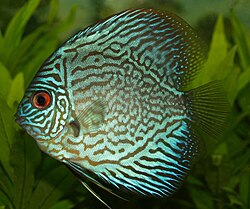
Curved or curled bodies in Discus are indicative of severe health issues, often leading to organ failure if not promptly addressed. Understanding the root cause is crucial as it affects their delicate balance. Owners should act quickly, ensuring a stable environment and immediate veterinary care.
Discus Curled Body: Common Causes
Poor Water Quality
Most LikelyHigh ammonia or nitrite levels can lead to spine deformation.
Water Temperature Fluctuations
PossibleSudden temperature changes can cause muscle and skeletal damage.
Poor Diet
PossibleDeficiencies in vitamins, especially vitamin C, can result in skeletal malformation.
Genetic Factors
Less CommonInherited conditions may lead to malformed spines.
Infection or Parasites
Less CommonBacterial infections or parasites can disrupt muscle function and lead to body curvature.
How to Diagnose the Cause
Follow these steps in order. Stop when you identify a likely cause and move to treatment.
- Check the water parameters using a reliable test kit
Ammonia, nitrite, nitrate, pH, and temperature levels should be within optimal ranges for Discus.
Recommended: test kit - Inspect the fish for external signs of injury or parasites
Look for cuts, ulcers, or signs of fin or scale damage.
- Evaluate the fish's diet and overall feeding habits
Ensure a balanced and varied diet is being provided, rich in vitamins and minerals.
- Assess the water quality through visual examination
Look for cloudy water, excessive algae, or unusual coloration.
- Observe the fish's behavior for signs of stress or aggression
Agitation, rapid swimming, or loss of appetite can be indicators of stress or health issues.
How to Treat Discus Curled Body
- Adjust the water parameters to the recommended levels for Discus
Use water changes and filters to maintain a stable and clean environment.
- Improve the fish's diet by providing a varied and balanced nutrition
Include high-quality Discus foods and vitamin supplements if necessary.
- Consider the use of medications if there is evidence of infection or parasites
Consult with a vet to select appropriate treatments and follow their guidance.
- Ensure the tank has adequate hiding spots to reduce stress
This can help prevent further injury or stress-related curvature.
- Monitor the fish's progress and make adjustments as needed
Regular observations can help detect any relapse or new issues early on.
How to Prevent Discus Curled Body
When to See a Vet
🔬 AI Symptom Checker
Not sure what's wrong? Describe your fish's symptoms to the FishCare AI and get an instant diagnosis.
Check Symptoms →Frequently Asked Questions
This guide was reviewed for biological accuracy and practical aquarium care guidance. Always test water parameters before treating a sick fish — poor water quality is the most common root cause. Consult an aquatic veterinarian if symptoms persist after 48 hours of correct treatment.
Sources: Merck Veterinary Manual — Aquarium Fishes · UF/IFAS Extension — Fish Health Management