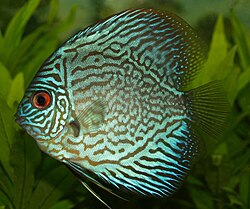
Cloudy Eyes in Discus is a critical condition often caused by stress, poor water quality, or infections. It can lead to blindness and is an urgent issue that requires immediate attention. Owners must first ensure optimal water parameters and a stress-free environment before treating.
Discus Cloudy Eyes: Common Causes
Poor Water Quality
Most LikelyHigh ammonia or nitrite levels can cause stress and lead to Cloudy Eyes.
Poor Diet
PossibleA diet lacking in nutrients can weaken the fish's immune system, making it susceptible to infections.
Bacterial Infection
Most LikelyGram-negative bacteria can cause Cloudy Eyes as a secondary infection following stress or poor water quality.
Parasitic Infection
Possibleprotozoan parasites such as Ichthyophthirius can lead to Cloudy Eyes.
Environmental Stress
Less CommonSudden changes in water temperature or pH can stress the fish and cause Cloudy Eyes.
How to Diagnose the Cause
Follow these steps in order. Stop when you identify a likely cause and move to treatment.
- Perform a thorough visual examination of the fish.
Look for milky eyes, cloudiness, or a white film covering the eyes.
- Test the water parameters for ammonia, nitrite, and nitrate levels.
High ammonia or nitrite can indicate a significant water quality issue.
Recommended: Ammonia and nitrite test kit - Check for signs of other health issues, such as ulcers or fin rot.
These could be contributing factors or indicate a more serious condition.
- Observe the fish's behavior and overall health.
Stress or infection can lead to changes in behavior, like reduced appetite or isolation.
- Consider the fish's environment and recent changes.
Sudden water parameter changes or recent introductions of new fish can stress the fish.
How to Treat Discus Cloudy Eyes
- Improve water quality by increasing aeration and performing frequent water changes.
- Perform a 50% water change and add a water conditioner to neutralize chlorine and chloramine.
- Use an antibiotic or anti-parasitic medication as directed by a veterinarian.
- Ensure the fish is kept in a stress-free environment with consistent water parameters.
- Monitor the fish's response to treatment and adjust the treatment plan as necessary.
How to Prevent Discus Cloudy Eyes
When to See a Vet
🔬 AI Symptom Checker
Not sure what's wrong? Describe your fish's symptoms to the FishCare AI and get an instant diagnosis.
Check Symptoms →Frequently Asked Questions
This guide was reviewed for biological accuracy and practical aquarium care guidance. Always test water parameters before treating a sick fish — poor water quality is the most common root cause. Consult an aquatic veterinarian if symptoms persist after 48 hours of correct treatment.
Sources: Merck Veterinary Manual — Aquarium Fishes · UF/IFAS Extension — Fish Health Management