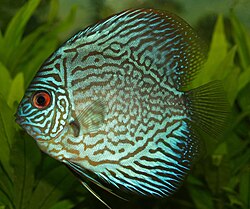
Bulging eyes in Discus, also known as Popeye, is a critical condition caused by infections or imbalances, leading to potential blindness. Immediate action is crucial. Owners must ensure stable water parameters and a healthy diet.
Discus Bulging Eyes (Popeye): Common Causes
Bacterial Infection
Most LikelyCommonly caused by poor water quality or stress.
Protozoan Infection
PossibleCan be caused by low pH levels or crowded tanks.
Poor Diet
PossibleLack of vitamins and minerals can lead to weakened eyesight.
Physical Trauma
Less CommonAccidental injury from tank furnishings or other fish.
Genetic Disorders
Less CommonRarely, it can be due to congenital issues.
How to Diagnose the Cause
Follow these steps in order. Stop when you identify a likely cause and move to treatment.
- Inspect the affected fish for other signs of disease, such as spots or ulcers.
This can help identify if the problem is systemic.
Recommended: magnifying glass - Check the water parameters for ammonia, nitrite, and nitrate levels.
High levels can stress the fish and exacerbate the condition.
- Evaluate the diet to ensure it's balanced and includes all necessary vitamins and minerals.
A lack of these can contribute to the condition.
- Monitor the tank's water quality, including pH, temperature, and hardness.
These factors can significantly impact the fish's health.
- Observe the fish's behavior and activity levels for changes that might indicate pain or stress.
This can provide insight into the severity of the condition.
How to Treat Discus Bulging Eyes (Popeye)
- Disinfect the tank and remove any dead plants or debris that could harbor bacteria.
- Administer appropriate antibiotics as prescribed by a veterinarian.
- Increase the frequency of water changes to maintain optimal water quality.
- Improve the diet by providing high-quality food rich in vitamins and minerals.
- Ensure the tank temperature is within the optimal range and pH levels are stable.
How to Prevent Discus Bulging Eyes (Popeye)
When to See a Vet
🔬 AI Symptom Checker
Not sure what's wrong? Describe your fish's symptoms to the FishCare AI and get an instant diagnosis.
Check Symptoms →Frequently Asked Questions
This guide was reviewed for biological accuracy and practical aquarium care guidance. Always test water parameters before treating a sick fish — poor water quality is the most common root cause. Consult an aquatic veterinarian if symptoms persist after 48 hours of correct treatment.
Sources: Merck Veterinary Manual — Aquarium Fishes · UF/IFAS Extension — Fish Health Management