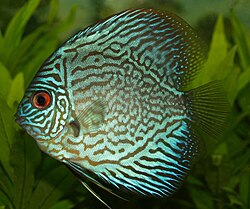
Black spots on Discus, caused by various factors like poor water quality, stress, or parasites, can be indicative of a serious health issue. Immediate monitoring is crucial to prevent the spread and progression of the disease. Owners must ensure optimal water parameters and a balanced diet to maintain their fish's health.
Discus Black Spots: Common Causes
Poor Water Quality
Most LikelyHigh levels of ammonia, nitrites, or nitrates can stress the fish and lead to black spot formation.
Stress
PossibleStress from aggression, overcrowding, or rapid temperature changes can weaken the fish's immune system, making them susceptible to black spots.
Parasites
Most LikelyExternal parasites like ich or chilodina can cause black spots, often accompanied by other symptoms like scratching or loss of appetite.
Bacterial Infections
PossibleBacteria like Aeromonas or Pseudomonas can infect wounds or stressed fish, leading to black spot development.
Malnutrition
Less CommonDeficiencies in essential nutrients can weaken the fish's immune system and lead to black spots.
How to Diagnose the Cause
Follow these steps in order. Stop when you identify a likely cause and move to treatment.
- Perform a visual inspection of the fish for any signs of injury, stress, or parasites.
Look for any areas of discoloration, spots, or unusual behavior.
- Check the water parameters for ammonia, nitrites, nitrates, pH, and temperature.
Use a water test kit to ensure the water quality meets the optimal range for Discus.
Recommended: Water test kit - Observe the fish's behavior and diet for signs of stress or malnutrition.
Discus are peaceful and social, so changes in behavior may indicate stress.
- Look for external parasites using a magnifying glass.
Parasites like ich or chilodina can be seen with the naked eye but may be easier to spot with magnification.
Recommended: Magnifying glass - Consider the fish's environment for potential causes of stress or injury.
Check for overcrowding, aggression, or poor water circulation.
How to Treat Discus Black Spots
- Improve water quality by performing regular water changes and treating with appropriate water conditioners.
Discus require stable water parameters to thrive.
- Use a broad-spectrum antibacterial or antiparasitic treatment as directed by a veterinarian.
Follow the treatment instructions carefully to avoid resistance or side effects.
- Provide a balanced diet rich in vitamins and minerals to support the fish's immune system.
Discus require a varied diet including high-quality flakes, pellets, and live or frozen foods.
- Remove any aggressive tank mates or alter the tank layout to reduce stress.
Ensure the tank provides ample space and hiding spots for the fish.
- Monitor the fish's progress and continue treatment until the black spots disappear and the fish shows no signs of illness.
Patience is key, as recovery may take several weeks.
How to Prevent Discus Black Spots
When to See a Vet
🔬 AI Symptom Checker
Not sure what's wrong? Describe your fish's symptoms to the FishCare AI and get an instant diagnosis.
Check Symptoms →Frequently Asked Questions
This guide was reviewed for biological accuracy and practical aquarium care guidance. Always test water parameters before treating a sick fish — poor water quality is the most common root cause. Consult an aquatic veterinarian if symptoms persist after 48 hours of correct treatment.
Sources: Merck Veterinary Manual — Aquarium Fishes · UF/IFAS Extension — Fish Health Management