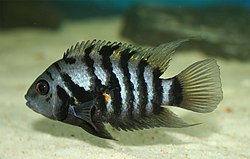
White spots on Convict Cichlids, caused by Ichthyophthirius multifiliis, are a serious and highly contagious disease. It can lead to rapid decline in health if not treated promptly. Owners should be aware of the aggressive nature of Convict Cichlids, as this can exacerbate stress and weaken their immune systems, making them more susceptible to this condition.
Convict Cichlid White Spots (Ich): Common Causes
Poor Water Quality
Most LikelyAmmonia and nitrite levels can increase stress and weaken the fish's immune system, making them more prone to Ich.
New Tank Syndrome
Most LikelyHigh levels of ammonia and nitrites in new tanks can stress fish and make them vulnerable to infections.
Introducing New Fish
Most LikelyBringing in new fish can introduce the Ichthyophthirius multifiliis parasite if they are already infected.
Overcrowding
PossibleOvercrowded tanks can lead to increased stress and competition for resources, which can weaken the fish's immune system.
Poor Diet
Less CommonA lack of proper nutrition can weaken the fish's immune system, making them more susceptible to diseases like Ich.
How to Diagnose the Cause
Follow these steps in order. Stop when you identify a likely cause and move to treatment.
- Inspect the fish for the presence of white spots on the body and fins.
These spots are characteristic of Ich and can be easily identified.
- Observe the fish's behavior for signs of stress, such as scratching against objects or rapid breathing.
These behaviors are common in fish with Ich.
- Take a water sample and test for ammonia, nitrite, and nitrate levels.
High levels of these chemicals can indicate stress and weaken the fish's immune system.
Recommended: Water test kit - If possible, quarantine the affected fish to prevent the spread of the disease to other tank mates.
Quarantine will help control the infection and prevent further spread.
- Consult with a veterinarian specializing in fish health for a definitive diagnosis and treatment plan.
A vet can provide professional advice and treatment options.
How to Treat Convict Cichlid White Spots (Ich)
- Increase the water temperature to 28–30°C for 2–3 weeks to help kill the Ichthyophthirius multifiliis parasites.
This temperature range is effective in treating Ich without harming the fish.
- Use a recommended ichthyophthirius treatment, following the manufacturer's instructions.
These treatments are designed to target the parasites without harming the fish.
- Perform regular water changes (25–30% every 2–3 days) to remove dead parasites and toxins from the water.
This helps maintain a healthy environment for the fish.
- Ensure the fish are receiving a balanced diet rich in vitamins and minerals to support their immune system.
A healthy diet can help the fish recover more quickly.
- Continue monitoring the fish for signs of Ich and repeat treatment if necessary.
Ich can reoccur if not fully treated.
How to Prevent Convict Cichlid White Spots (Ich)
When to See a Vet
🔬 AI Symptom Checker
Not sure what's wrong? Describe your fish's symptoms to the FishCare AI and get an instant diagnosis.
Check Symptoms →Frequently Asked Questions
This guide was reviewed for biological accuracy and practical aquarium care guidance. Always test water parameters before treating a sick fish — poor water quality is the most common root cause. Consult an aquatic veterinarian if symptoms persist after 48 hours of correct treatment.
Sources: Merck Veterinary Manual — Aquarium Fishes · UF/IFAS Extension — Fish Health Management