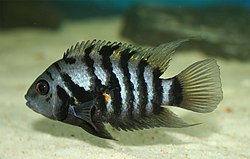
Torn or ragged fins in Convict Cichlids often result from stress, aggression, or poor water quality. This condition can be serious if left untreated, leading to secondary infections. Owners should first ensure a peaceful environment and proper water parameters.
Convict Cichlid Torn Fins: Common Causes
Aggression
Most LikelyConvict Cichlids are naturally aggressive and may injure tank mates, including themselves.
Poor Water Quality
Most LikelyHigh ammonia or nitrite levels can stress the fish and lead to fin damage.
Dietary Issues
PossibleA diet lacking in variety or with too many fin-damaging foods can cause fin issues.
External Parasites
Less CommonParasites like ich can cause fin damage, although they are less common in freshwater tanks.
Poor Water Parameters
PossibleExtremes in pH or temperature can stress the fish and lead to fin problems.
How to Diagnose the Cause
Follow these steps in order. Stop when you identify a likely cause and move to treatment.
- Inspect the fish's tank for signs of aggression or bullying.
Look for evidence of fighting or chasing among the fish.
- Check the water parameters for ammonia, nitrite, nitrate, pH, and temperature.
Use a test kit to ensure they are within the recommended range for Convict Cichlids.
Recommended: Water test kit - Observe the fish's diet and ensure it's balanced and varied.
Provide a mix of protein-rich foods and vegetables to support overall health.
- Look for any external parasites on the fish's body or fins.
Use a magnifying glass to inspect for small parasites or spots.
Recommended: Magnifying glass - Consider the fish's age and overall health.
Older fish may naturally have more ragged fins, but it's still important to rule out other causes.
How to Treat Convict Cichlid Torn Fins
- Remove the aggressive fish or implement a more spacious tank with hiding spots to reduce stress.
This can help prevent further fin damage.
- Improve water quality by performing regular water changes and treating for ammonia or nitrite if necessary.
Use a water conditioner to neutralize chlorine and chloramine.
- Adjust the diet to include more plant-based foods and reduce fin-damaging proteins.
Consider adding algae wafers or spirulina to the diet.
- Treat for external parasites with appropriate medications if identified.
Follow the instructions on the medication carefully.
- Monitor the fish's health and repeat treatments if necessary.
Fin healing can take time, so patience is key.
How to Prevent Convict Cichlid Torn Fins
When to See a Vet
🔬 AI Symptom Checker
Not sure what's wrong? Describe your fish's symptoms to the FishCare AI and get an instant diagnosis.
Check Symptoms →Frequently Asked Questions
This guide was reviewed for biological accuracy and practical aquarium care guidance. Always test water parameters before treating a sick fish — poor water quality is the most common root cause. Consult an aquatic veterinarian if symptoms persist after 48 hours of correct treatment.
Sources: Merck Veterinary Manual — Aquarium Fishes · UF/IFAS Extension — Fish Health Management