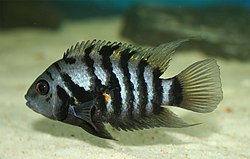
Spots on fins in Convict Cichlids are often a sign of Ichthyophthirius multifiliis, a highly contagious protozoan parasite. This disease can be severe and lead to secondary infections if not treated promptly. Owners should first ensure the tank environment is stable and not contributing to stress, as stressed fish are more susceptible.
Convict Cichlid Spots on Fins: Common Causes
Ichthyophthirius multifiliis (Ich)
Most LikelyThis is the most common cause, affecting the skin and fins, often leading to spots on the fins.
Poor water quality
PossibleAmmonia, nitrite, and nitrate levels can cause stress, making fish more susceptible to Ich and other infections.
Stress
PossibleStress from aggression, overcrowding, or changes in the tank can weaken the fish's immune system, making them more prone to infections.
Inadequate diet
Less CommonA diet lacking in essential nutrients can weaken the fish's immune system, contributing to fin spots.
Poor water circulation
Less CommonInsufficient water movement can lead to areas of low oxygen and high ammonia, which stress the fish and weaken their immune system.
How to Diagnose the Cause
Follow these steps in order. Stop when you identify a likely cause and move to treatment.
- Observe the fish's behavior and appearance for signs of stress or infection.
Look for other symptoms such as clamped fins, scratching, or loss of appetite.
- Perform a water quality test to check for ammonia, nitrite, and nitrate levels.
High levels can indicate stress or infection.
Recommended: Water quality test kit - Use a magnifying glass to examine the spots on the fins for the characteristic 'bloating' and presence of parasites.
Ich can often be seen as white spots that move when the fish is stressed.
Recommended: Magnifying glass - Consider the fish's environment and recent changes, such as tank mates or water parameters.
These factors can contribute to stress and weaken the fish's immune system.
- Consult a veterinarian experienced with aquatic species for a definitive diagnosis if symptoms persist.
A vet can provide additional tests or treatment options.
How to Treat Convict Cichlid Spots on Fins
- Increase the tank's water temperature to 28–30°C to slow the parasite's reproduction cycle.
This is a common treatment for Ich, but be cautious as it can stress the fish.
- Perform 25% water changes daily to remove ammonia and other toxins, while maintaining stable water parameters.
This helps to reduce stress and improve the fish's chances of recovery.
- Administer an anti-parasitic treatment such as metronidazole or malachite green, following the manufacturer's instructions.
These medications can be added to the tank water or given in the fish's food.
- Isolate the affected fish to prevent the spread of the infection to other tank mates.
This is important to prevent the disease from becoming widespread in the tank.
- Monitor the fish's progress and continue treatment until all symptoms have resolved.
Treatment may need to be continued for several weeks to ensure complete eradication of the parasite.
How to Prevent Convict Cichlid Spots on Fins
When to See a Vet
🔬 AI Symptom Checker
Not sure what's wrong? Describe your fish's symptoms to the FishCare AI and get an instant diagnosis.
Check Symptoms →Frequently Asked Questions
This guide was reviewed for biological accuracy and practical aquarium care guidance. Always test water parameters before treating a sick fish — poor water quality is the most common root cause. Consult an aquatic veterinarian if symptoms persist after 48 hours of correct treatment.
Sources: Merck Veterinary Manual — Aquarium Fishes · UF/IFAS Extension — Fish Health Management