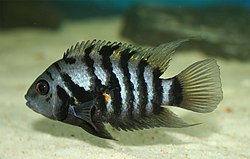
Red streaks on Convict Cichlids, or Amatitlania nigrofasciata, are a sign of severe health issues such as internal bleeding or parasitic infections. This is an urgent matter requiring immediate attention, as it can lead to rapid deterioration and even death. Owners should be aware that this condition often indicates an underlying issue that needs to be addressed promptly.
Convict Cichlid Red Streaks on Body: Common Causes
Internal Bleeding
Most LikelyCaused by physical injury or aggression, leading to hemorrhaging.
Parasitic Infections
Most LikelyInfestations like Ich or Costia can cause red streaks.
Poor Water Quality
PossibleAmmonia or nitrite spikes can stress the fish and lead to red streaks.
Nutritional Deficiencies
PossibleLack of essential nutrients can weaken the fish's immune system, making it more susceptible to infections.
Genetic Disorders
Less CommonIn some cases, red streaks may be due to genetic factors.
How to Diagnose the Cause
Follow these steps in order. Stop when you identify a likely cause and move to treatment.
- Inspect the fish for signs of injury, aggression, or unusual behavior.
Look for bite marks, fin nipping, or signs of stress.
- Test the water parameters for ammonia, nitrite, and nitrate levels.
Use a water testing kit to check the parameters.
Recommended: Water testing kit - Observe the fish's diet and recent changes in its feeding routine.
Ensure a balanced diet rich in vitamins and minerals.
- Check for signs of external parasites like Ich or Costia.
Look for white spots or cloudy eyes.
- Consider the fish's environment, including tank mates and aggression levels.
Assess the tank's social structure and ensure adequate space.
How to Treat Convict Cichlid Red Streaks on Body
- Isolate the affected fish to prevent the spread of disease to others.
Use a separate tank with similar water parameters.
- Improve water quality by changing 25% of the tank water daily.
Use a water dechlorinator if necessary.
- Administer appropriate medications based on the diagnosis.
Follow the vet's instructions for dosing and duration.
- Adjust the fish's diet to include high-quality, well-balanced food.
Ensure a variety of nutrients for immune system support.
- Monitor the fish's response to treatment and adjust as necessary.
Continue to provide care and reassess the situation regularly.
How to Prevent Convict Cichlid Red Streaks on Body
When to See a Vet
🔬 AI Symptom Checker
Not sure what's wrong? Describe your fish's symptoms to the FishCare AI and get an instant diagnosis.
Check Symptoms →Frequently Asked Questions
This guide was reviewed for biological accuracy and practical aquarium care guidance. Always test water parameters before treating a sick fish — poor water quality is the most common root cause. Consult an aquatic veterinarian if symptoms persist after 48 hours of correct treatment.
Sources: Merck Veterinary Manual — Aquarium Fishes · UF/IFAS Extension — Fish Health Management