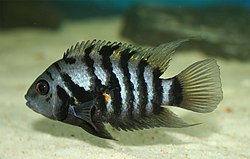
Excess mucus coating in Convict Cichlids often indicates a serious underlying health issue. It can be life-threatening if not addressed promptly. Owners should first understand that this condition may be due to stress, infections, or poor water quality.
Convict Cichlid Mucus Coating: Common Causes
Bacterial Infection
Most LikelyBacterial infections can cause excessive mucus production in Convict Cichlids.
Poor Water Quality
Most LikelyHigh ammonia or nitrite levels, and low dissolved oxygen can stress Convict Cichlids and lead to mucus overproduction.
Stress
PossibleConvict Cichlids are aggressive and can become stressed due to overcrowding, aggression, or lack of territory.
Fungus
PossibleFungal infections can cause mucus production as a response to the fungal invasion.
Parasites
Less CommonParasitic infections like ich may cause Convict Cichlids to produce excessive mucus as they try to combat the invaders.
How to Diagnose the Cause
Follow these steps in order. Stop when you identify a likely cause and move to treatment.
- Inspect the fish for signs of injury or aggression.
Look for abrasions, fin rot, or bullying behavior.
- Test the water parameters for ammonia, nitrite, nitrate, and pH.
Ensure water quality is within the optimal range for Convict Cichlids.
Recommended: Water test kit - Observe the fish's swimming pattern and behavior.
Slower swimming and decreased activity may indicate health issues.
- Check the tank for any recent changes or introductions that may have caused stress.
Changes in the tank setup or new tank mates can stress Convict Cichlids.
- Consult with a veterinarian specializing in fish health for a definitive diagnosis.
A vet can perform more advanced tests if necessary.
How to Treat Convict Cichlid Mucus Coating
- Improve water quality by changing 25-30% of the tank water daily.
Ensure new water is dechlorinated and matches the tank parameters.
- Administer appropriate antibiotics or antifungal medications if diagnosed by a veterinarian.
Follow the vet's instructions closely for dosage and treatment duration.
- Remove any aggressive tank mates or provide adequate space and territories to reduce stress.
Ensure each fish has its own territory to prevent bullying.
- Maintain optimal water parameters and regular water changes.
Monitor pH, ammonia, nitrite, and nitrate levels regularly.
- Provide a varied diet and consider supplements if advised by a veterinarian.
A balanced diet can help strengthen the immune system and prevent future issues.
How to Prevent Convict Cichlid Mucus Coating
When to See a Vet
🔬 AI Symptom Checker
Not sure what's wrong? Describe your fish's symptoms to the FishCare AI and get an instant diagnosis.
Check Symptoms →Frequently Asked Questions
This guide was reviewed for biological accuracy and practical aquarium care guidance. Always test water parameters before treating a sick fish — poor water quality is the most common root cause. Consult an aquatic veterinarian if symptoms persist after 48 hours of correct treatment.
Sources: Merck Veterinary Manual — Aquarium Fishes · UF/IFAS Extension — Fish Health Management